


Wall Plate Access Points
for Business Networks
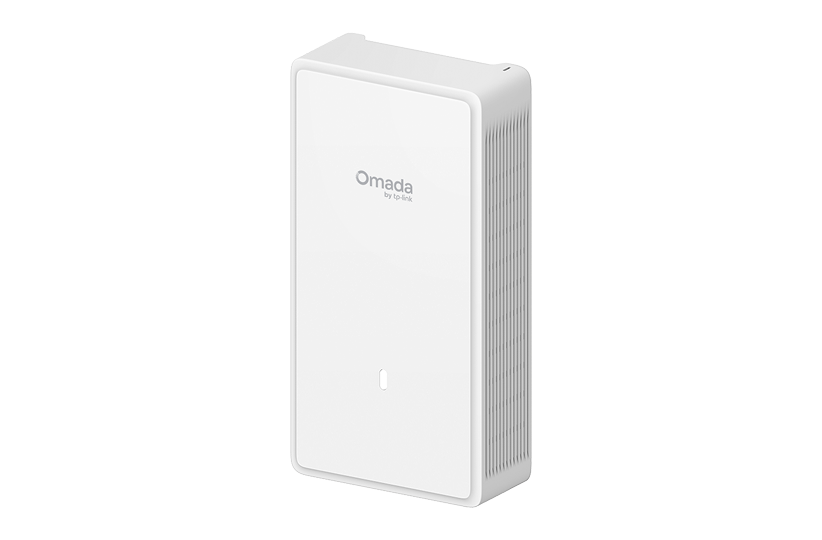
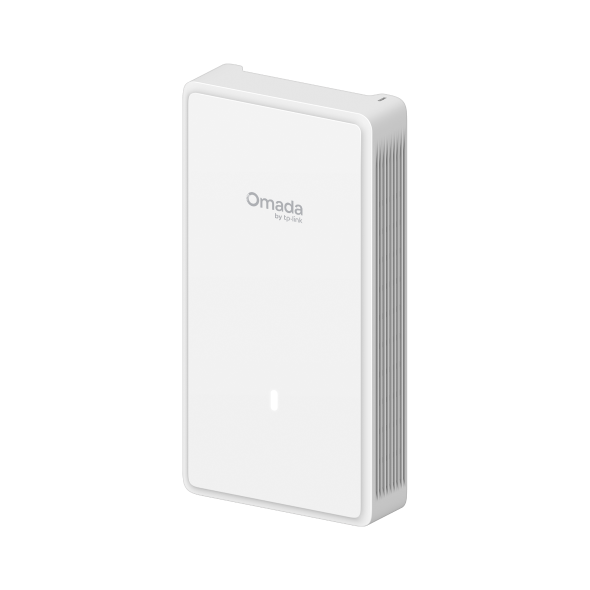
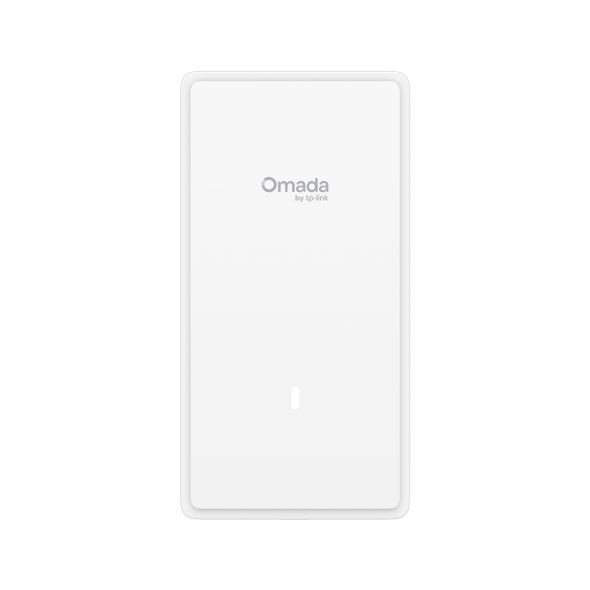
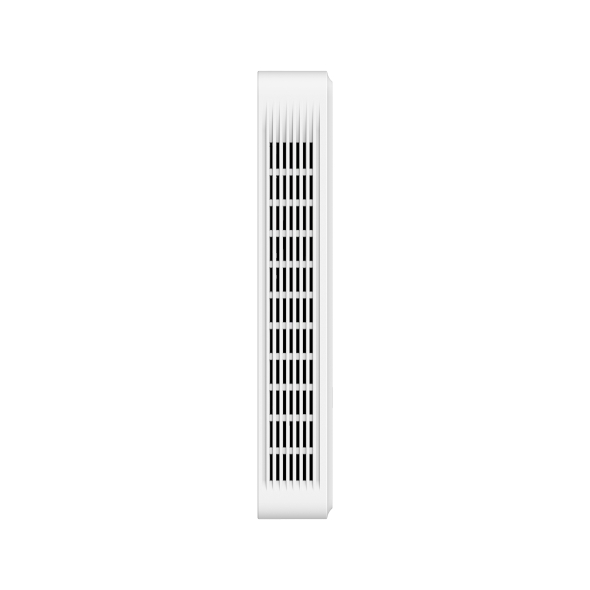
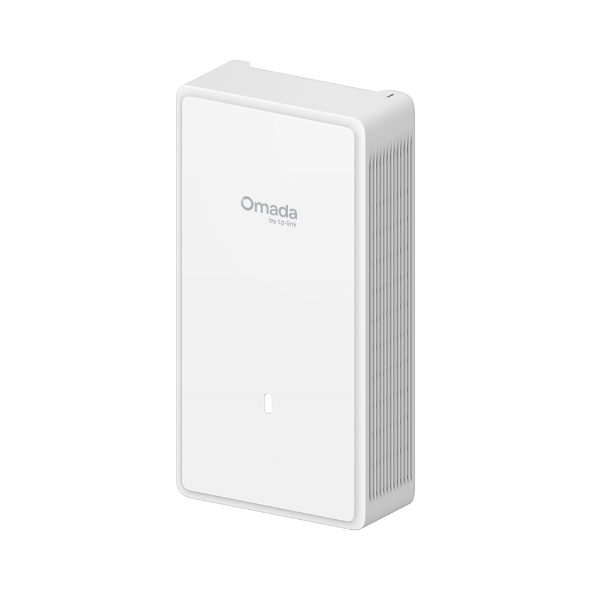
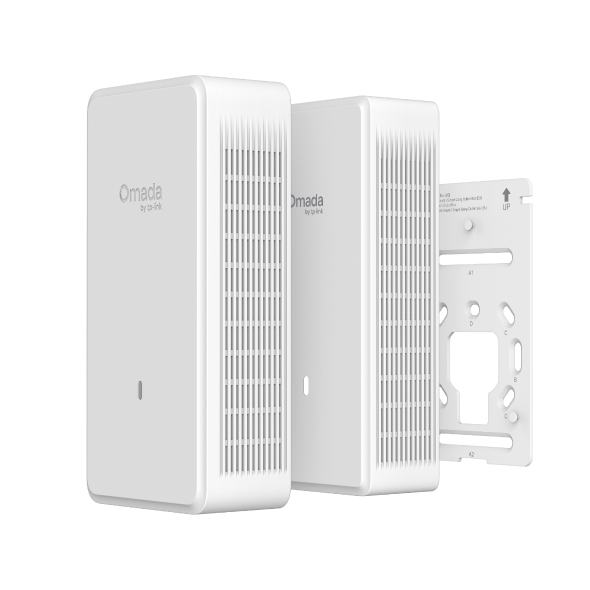
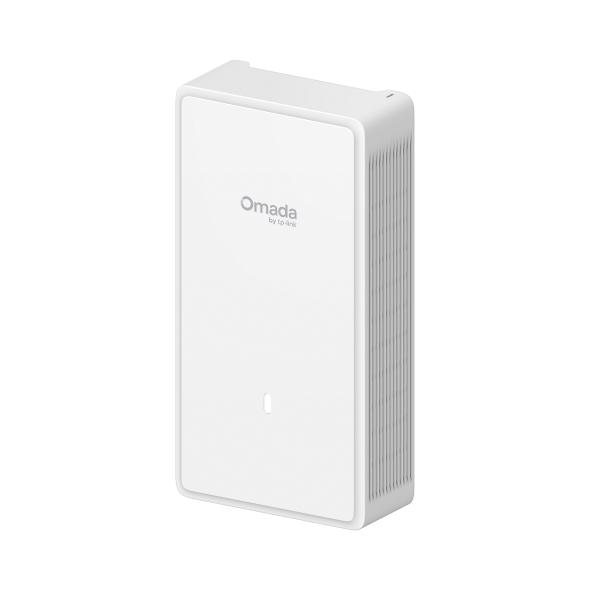
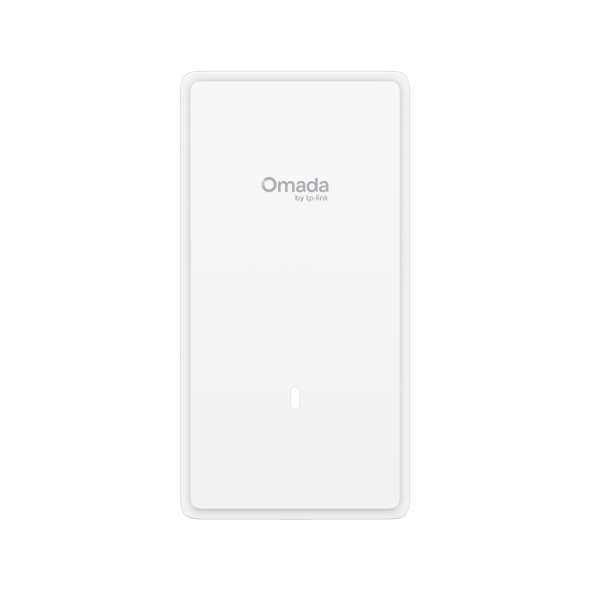
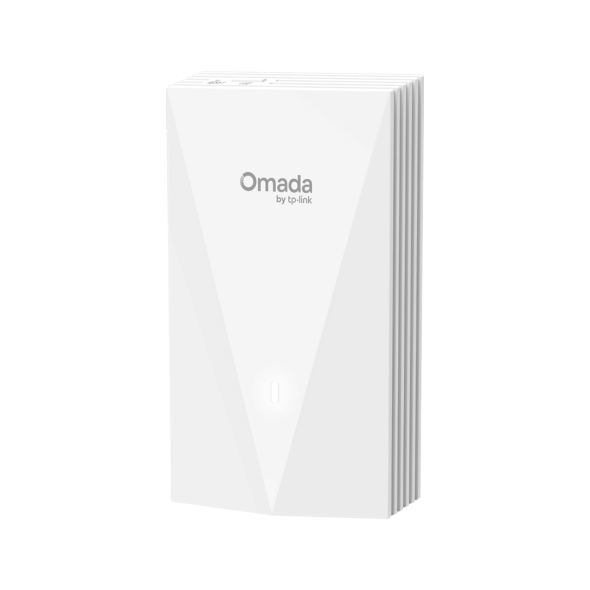
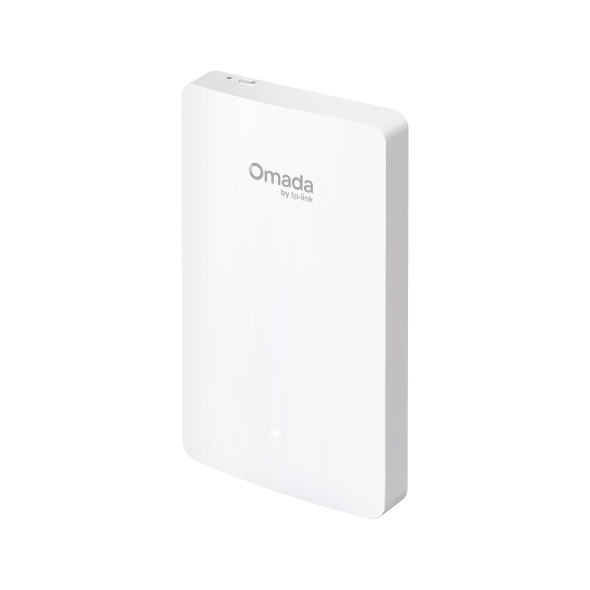
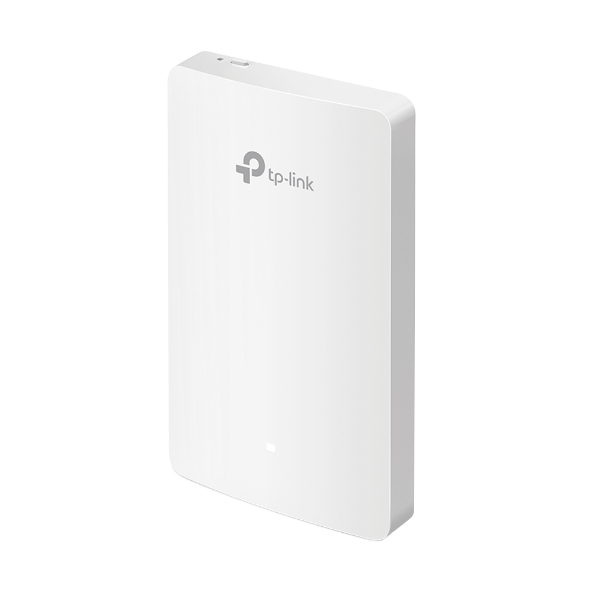
Omada wall plate access points provide per-room wireless connectivity and wired network access from a single outlet-mounted unit, replacing a standard wall jack without additional ceiling hardware. Made for hospitality, student housing, corporate offices, and multi-room environments, they integrate into the Omada SDN ecosystem for centralized management across single or multi-site deployments.









Business Benefits

Per-Room Wireless Coverage
Each unit provides dedicated Wi-Fi to the room it serves, so guests, students, or employees get consistent connectivity without competing for shared airtime from a distant ceiling-mount AP.

Wired Ports at Every Installation Point
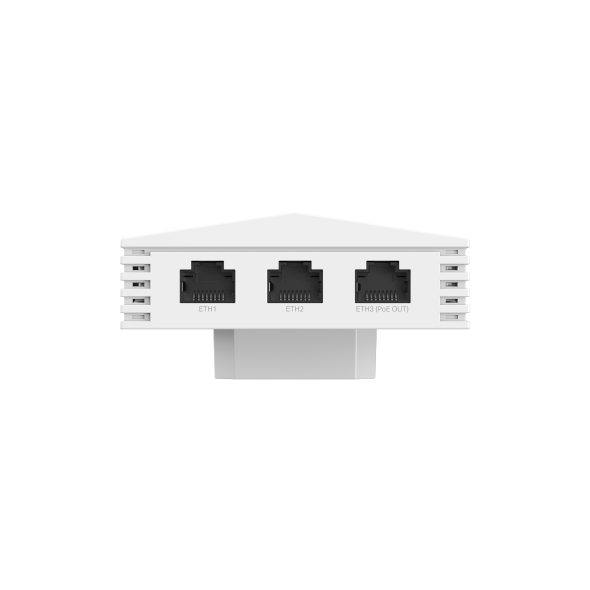
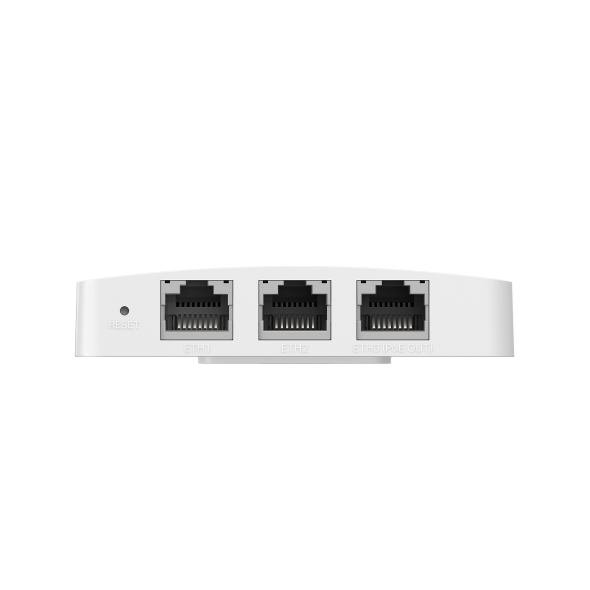
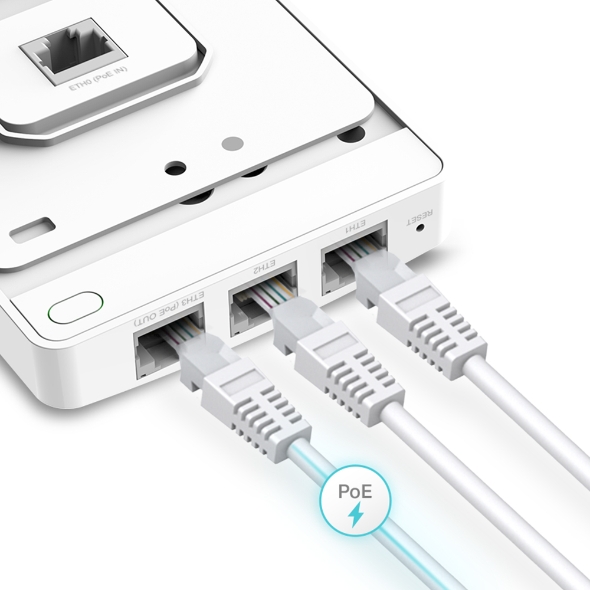
All wall plate APs include Ethernet downlink ports for connecting wired devices directly at the wall. Select models include 2.5G port speeds and PoE out capability, allowing the wall plate to power downstream PoE devices such as desk phones or cameras without additional hardware.

Wi-Fi 4 Through Wi-Fi 7 Options
The range includes Wi-Fi 4 through tri-band Wi-Fi 7, letting you match the access point to your client device mix and performance requirements without overspecifying for simpler deployments.

Simplified Cabling
A single PoE-powered Ethernet run to each room supplies both power and data, eliminating the need for separate power outlets at each installation point. See Omada PoE solutions for compatible switches.

Clean, Low-Profile Installation
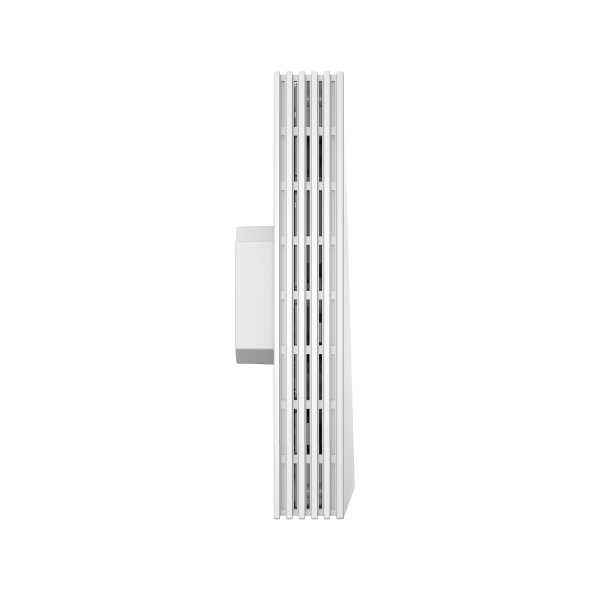
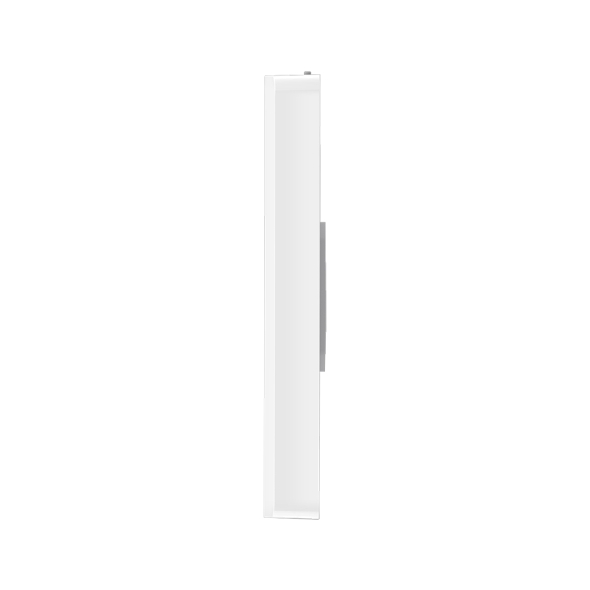
The wall plate form factor fits standard single-gang electrical boxes, making it well-suited for hotels, dormitories, and office corridors where ceiling installation is impractical or aesthetically undesirable.

Unified Ecosystem Management
Wall plate APs operate under the same Omada SDN controller as ceiling-mount access points and outdoor access points, giving administrators a single interface to configure SSIDs, VLANs, guest networks, and roaming policies across the entire deployment.
Solving Connectivity Challenges
Wall plate access points suit environments where per-room coverage, discreet installation, or combined wired and wireless access at the wall is a deployment priority.

Install one unit per guest room to deliver reliable in-room Wi-Fi and wired desk connectivity. Captive portal authentication and guest network segmentation keep guest traffic separate from staff and back-of-house systems.
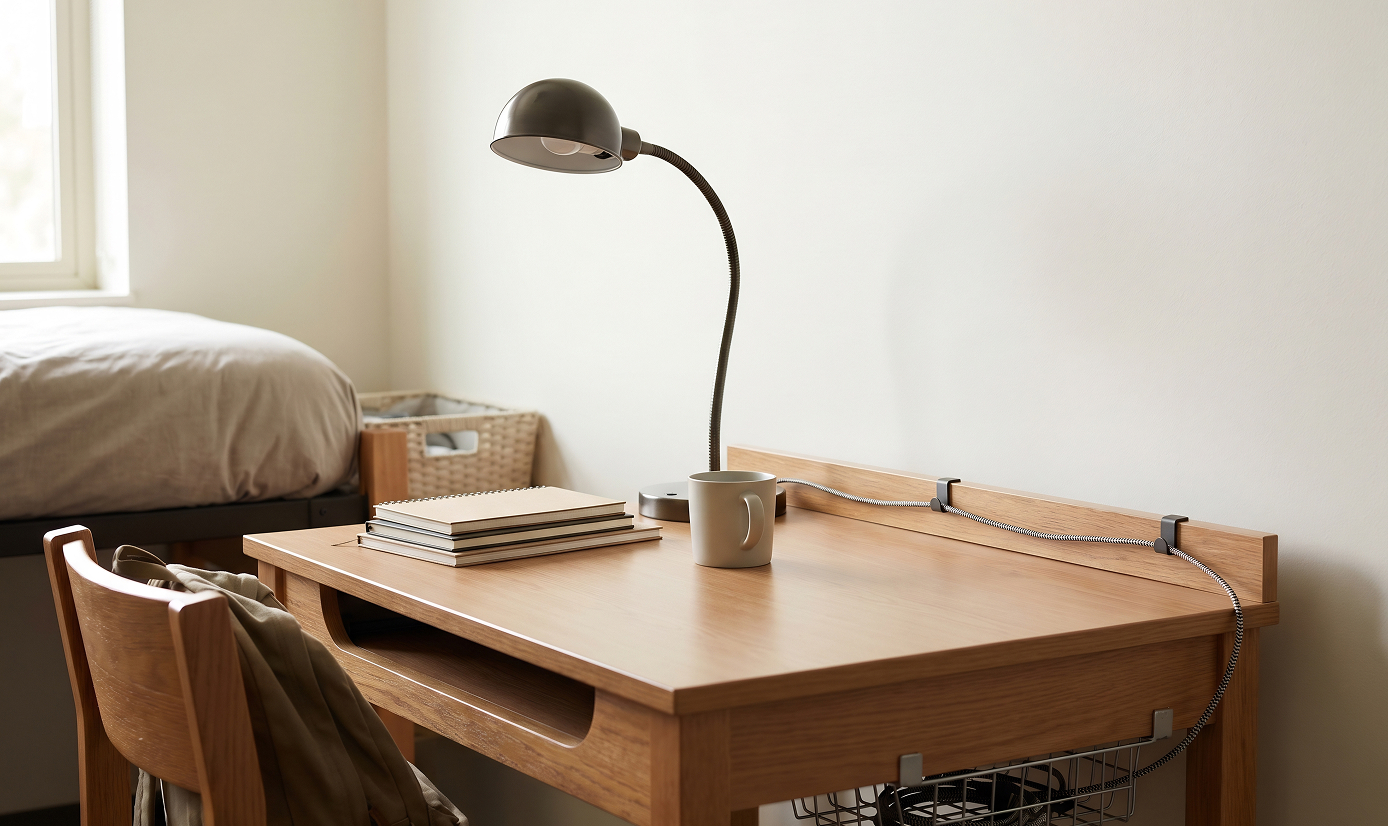
Each room gets dedicated wireless coverage and wired ports for gaming consoles, desktop PCs, and streaming devices, reducing interference between neighboring rooms compared to shared corridor APs.

Provide connectivity in private offices, small meeting rooms, and corridors where ceiling installation is not feasible, with VLAN assignment separating employee, guest, and VoIP traffic.

Patient rooms and consultation areas benefit from per-room wireless coverage for medical devices, tablets, and visitor access, with network segmentation keeping clinical systems isolated from general use.

Apartment buildings and serviced accommodations use wall plate APs to provide managed Wi-Fi as an amenity, with per-unit isolation and centralized management reducing ongoing administration.
FAQs
What is a wall plate Wi-Fi access point, and where is it typically installed? 
A wall plate access point is a network device that mounts directly into a standard wall outlet box, combining a wireless access point and wired Ethernet ports in the footprint of a single wall jack. It is most commonly installed in hotel guest rooms, dormitories, apartment units, private offices, and healthcare rooms — anywhere per-room connectivity and a clean installation profile are priorities.
How do wall plate access points differ from ceiling-mount and desktop access points?
Ceiling-mount access points are designed to cover larger open areas from above, making them well-suited for lobbies, open-plan offices, and common areas. Desktop access points sit on a surface and typically serve small rooms or workspaces. Wall plate access points replace a standard wall outlet, providing coverage and wired ports directly at the wall, which is ideal for individual rooms where ceiling installation is impractical and a combined wired and wireless connection point is needed.
Can Omada wall plate access points provide both Wi-Fi connectivity and wired network access?
Yes. All Omada wall plate APs include Ethernet downlink ports for connecting wired devices at the wall, replacing a standard network outlet with a combined Wi-Fi and wired connection point. Port configurations and speeds vary across the range, with select models offering 2.5G ports and PoE out capability for powering downstream devices such as IP phones or cameras directly from the wall plate.
Do Omada wall plate access points support PoE for simplified deployment?
Yes. Omada wall plate APs are powered via Power over Ethernet (PoE), meaning a single Ethernet cable from a PoE-capable switch supplies both power and data to the unit. This eliminates the need for a separate electrical outlet at each installation point and simplifies in-wall cabling for new installations and retrofits.
Can wall plate access points be managed through the Omada SDN platform?
All Omada wall plate access points integrate with the Omada SDN platform and can be managed through cloud-based, hardware, or software controllers. Administrators can configure SSIDs, VLAN assignments, guest networks, roaming policies, and monitor device status from a single interface, whether managing one property or multiple sites.
How do I choose the right wall plate Wi-Fi access point for my deployment?
Start with your per-room client density and bandwidth requirements. Wi-Fi 4 models fit legacy deployments or rooms with minimal connectivity demands, where basic internet access is the only requirement. Wi-Fi 5 models suit lower-density rooms with modest connectivity needs, while Wi-Fi 6 models handle environments where multiple devices connect per room. Wi-Fi 7 models address higher-demand deployments with newer client devices requiring maximum throughput and lower latency. Also consider port count: five-port models offer more wired connections per room than four-port models, which matters in rooms where guests or occupants connect multiple wired devices.