


Ceiling Wireless Access Points
for Business Networks
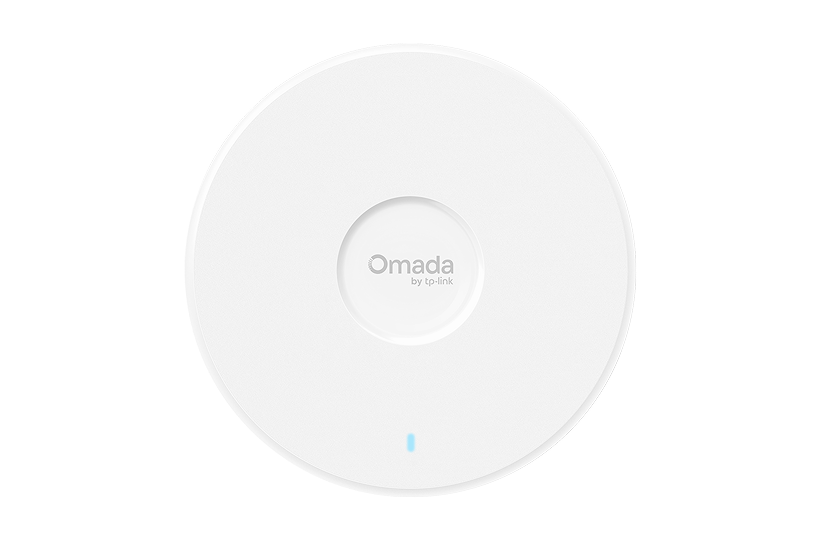
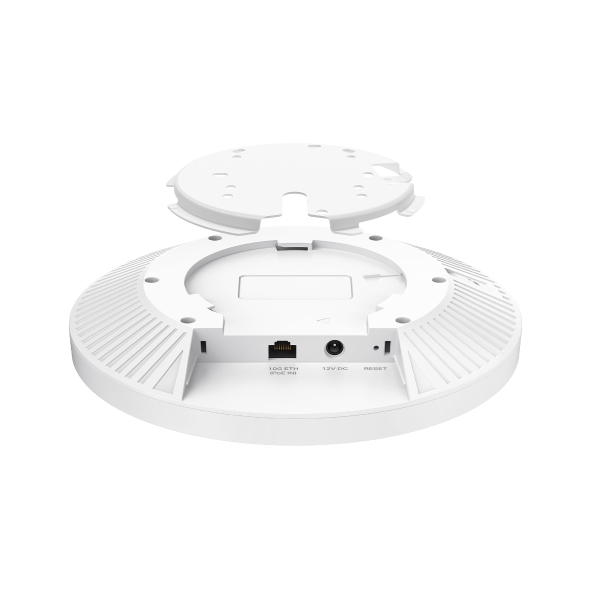
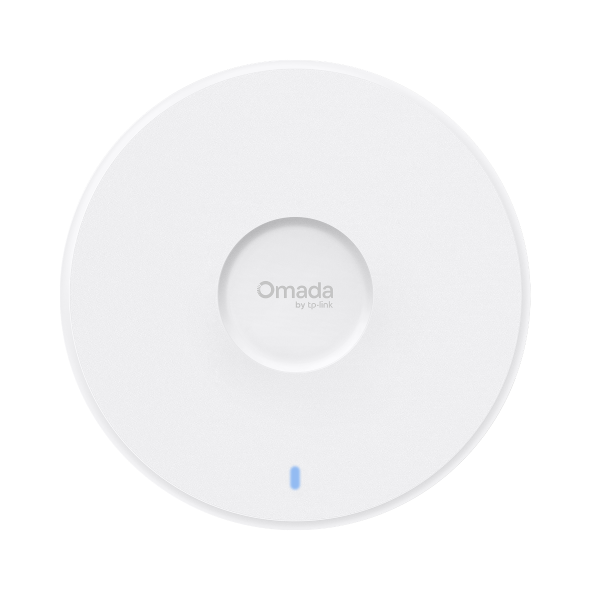
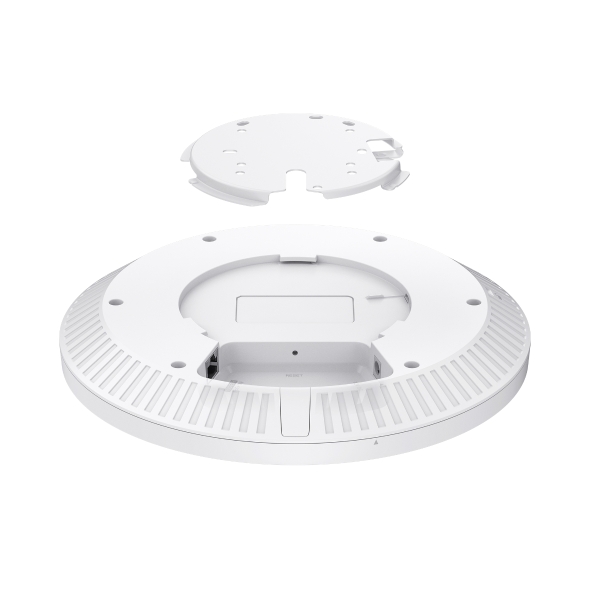
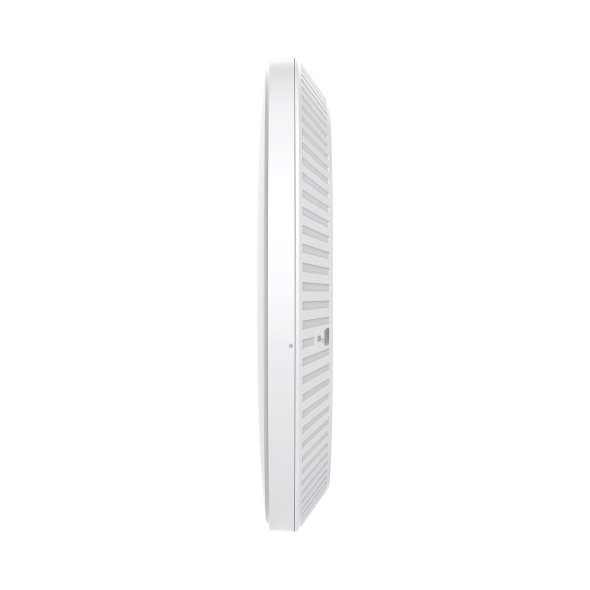
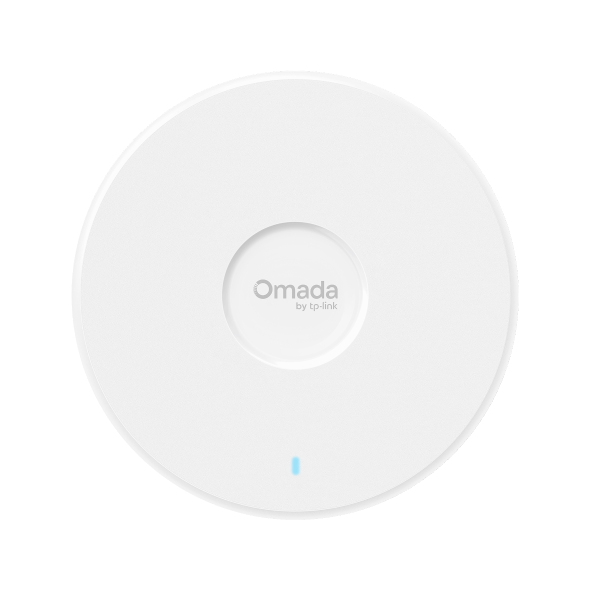
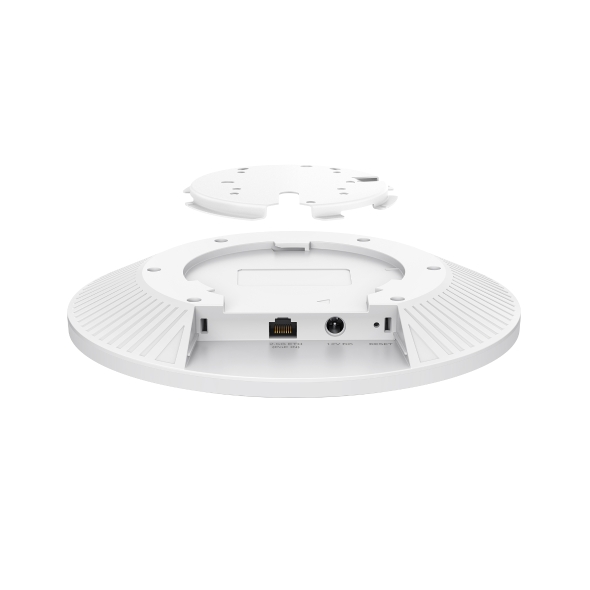
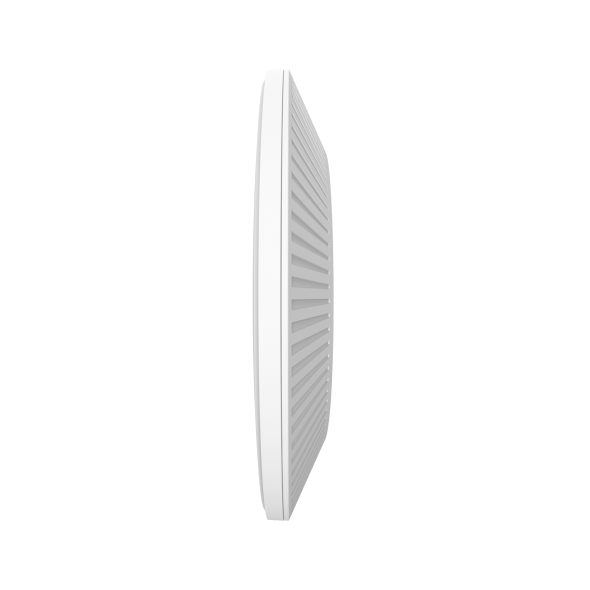
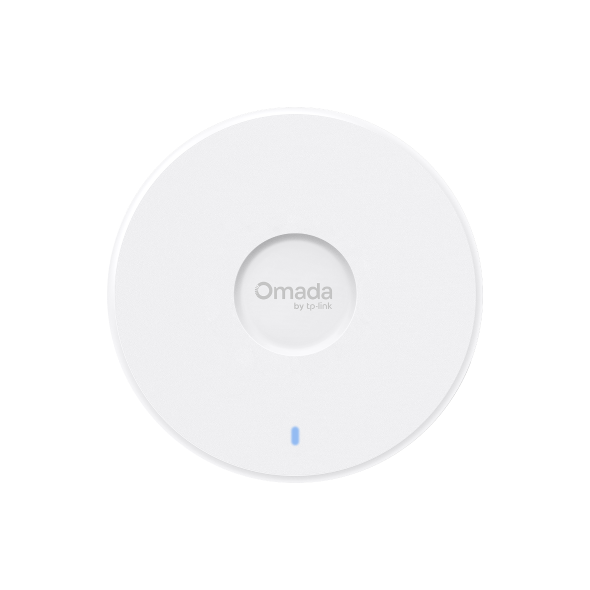
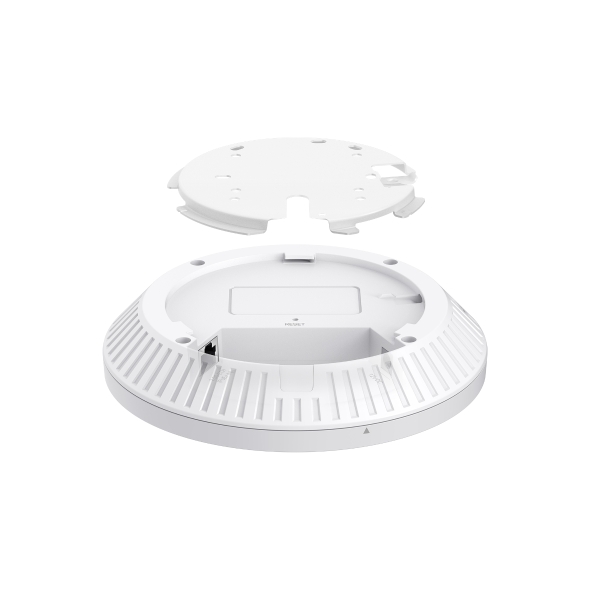
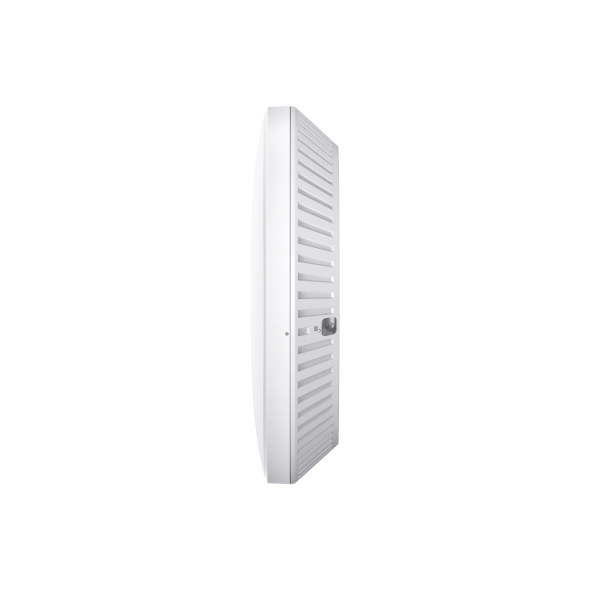
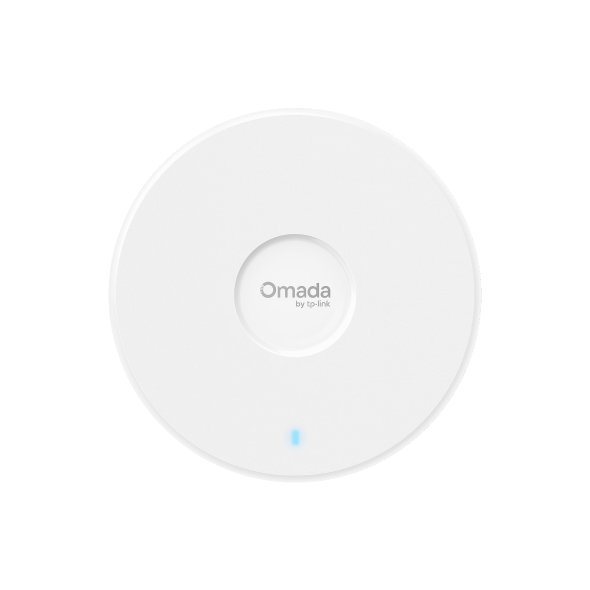
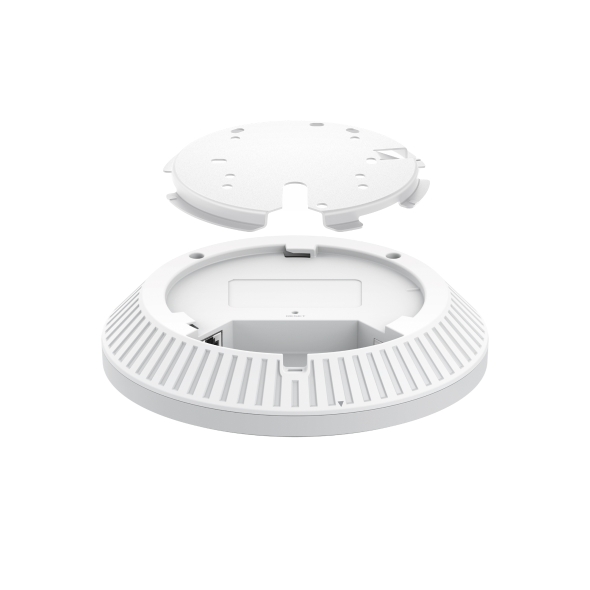
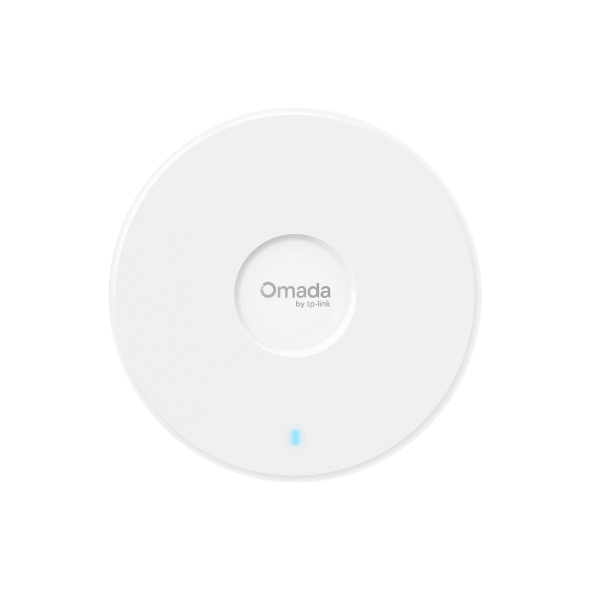
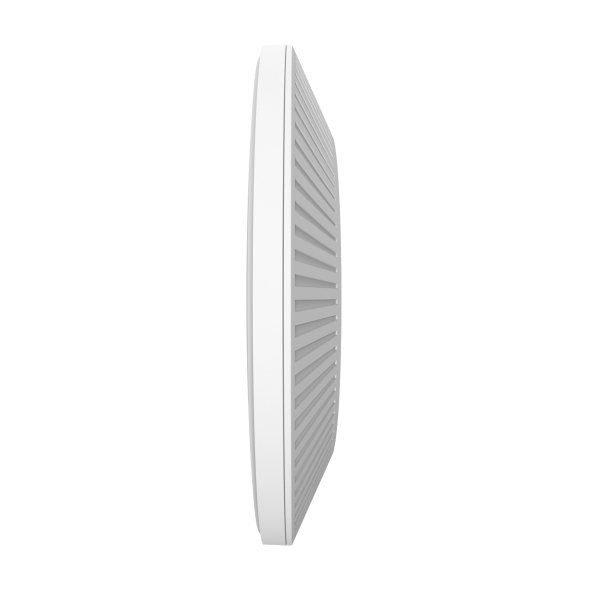
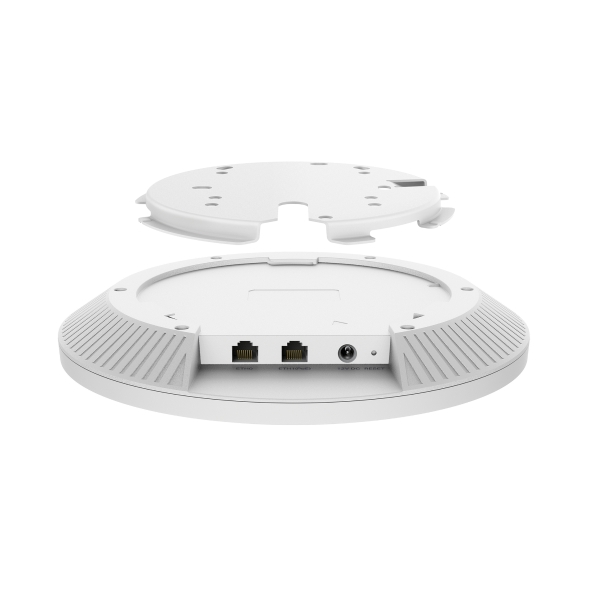
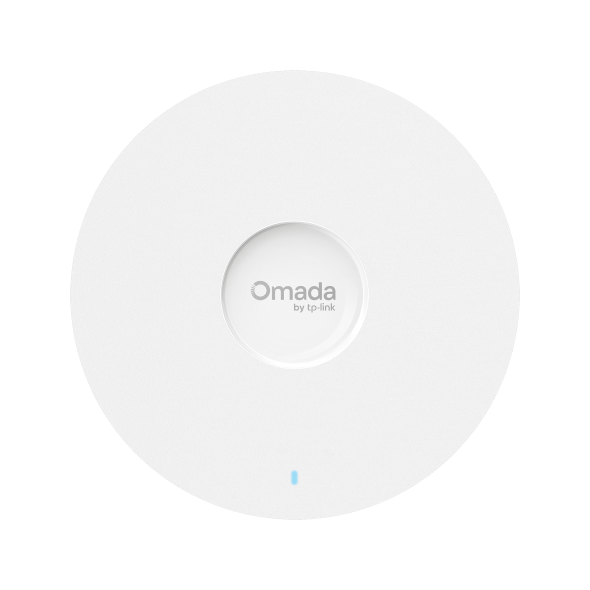
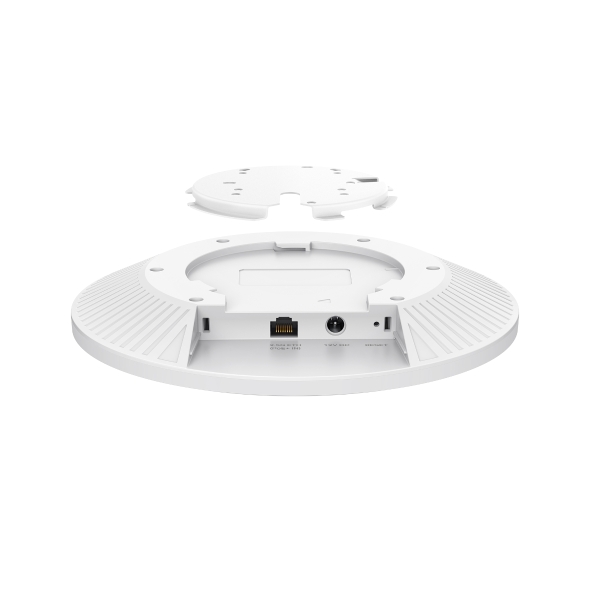
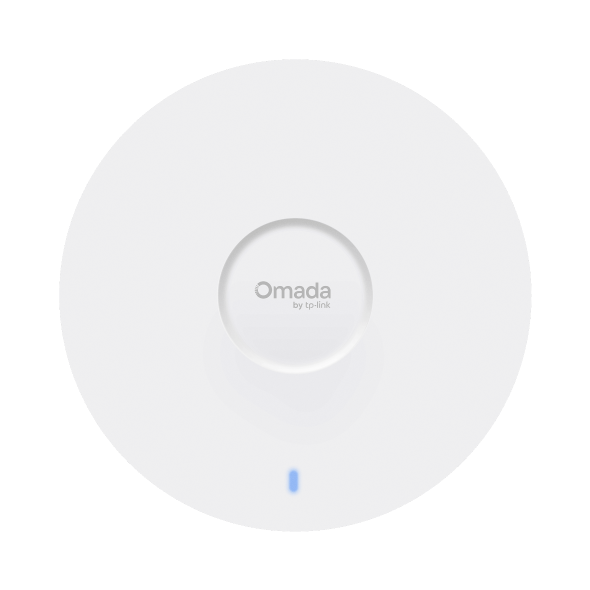
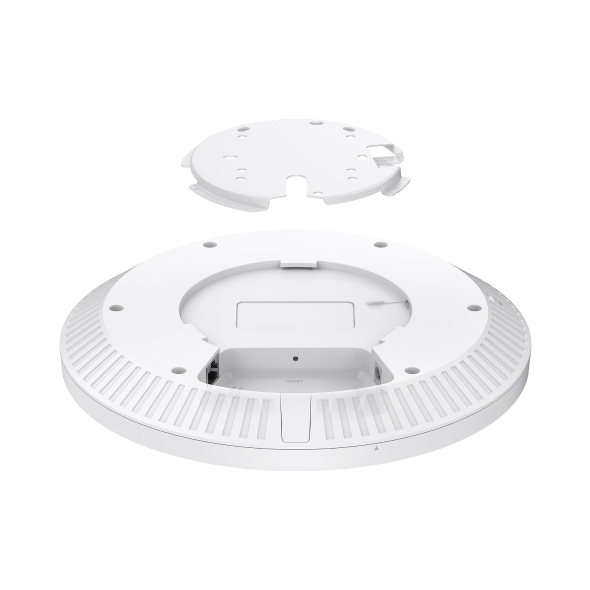
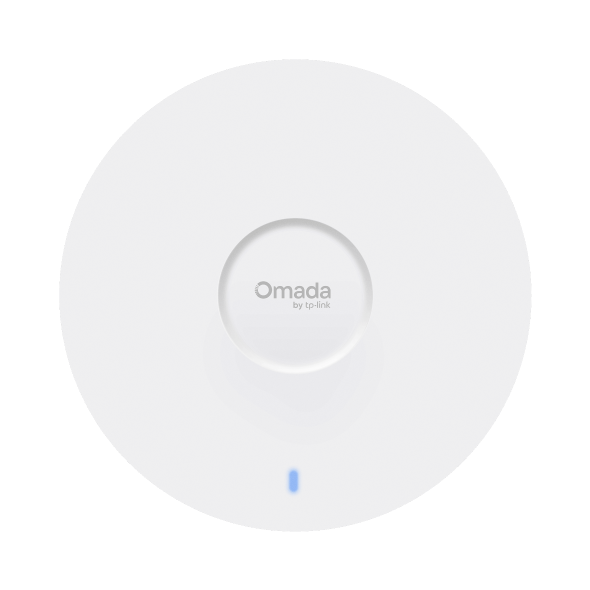
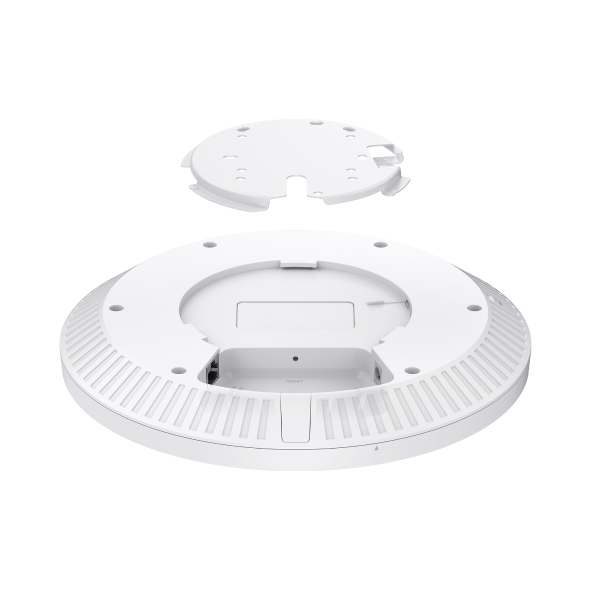
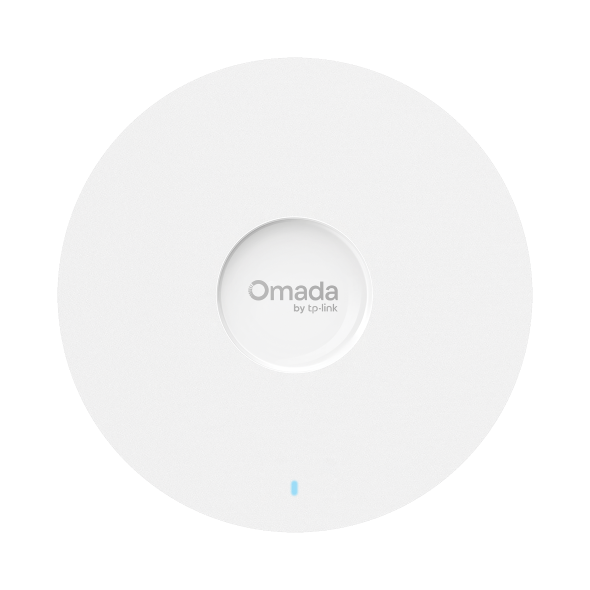
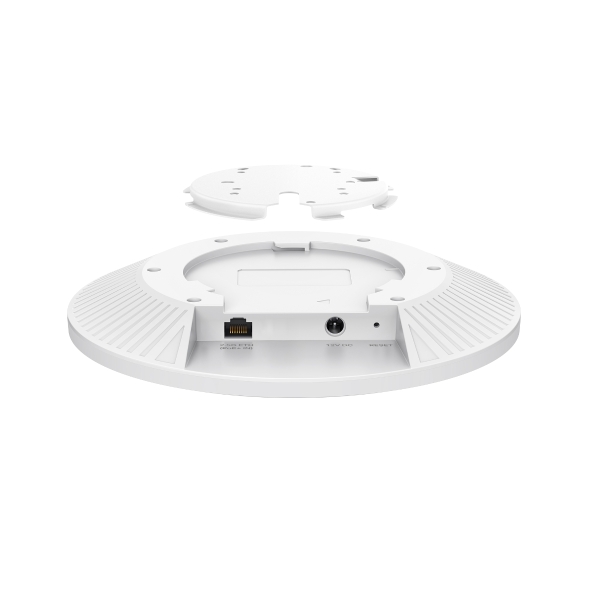
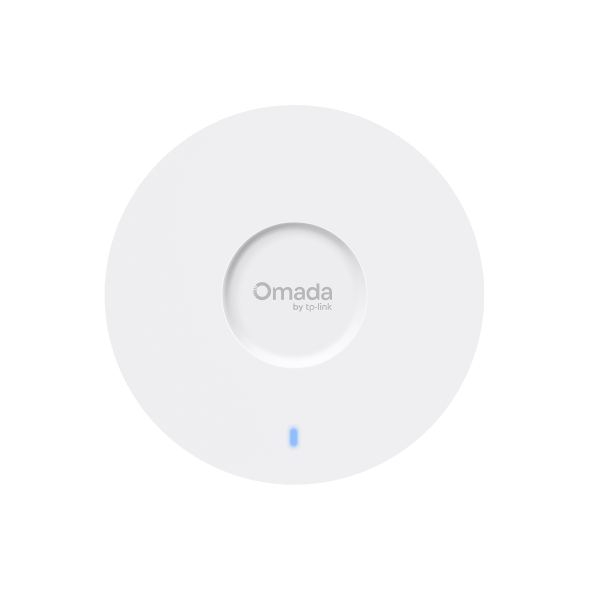
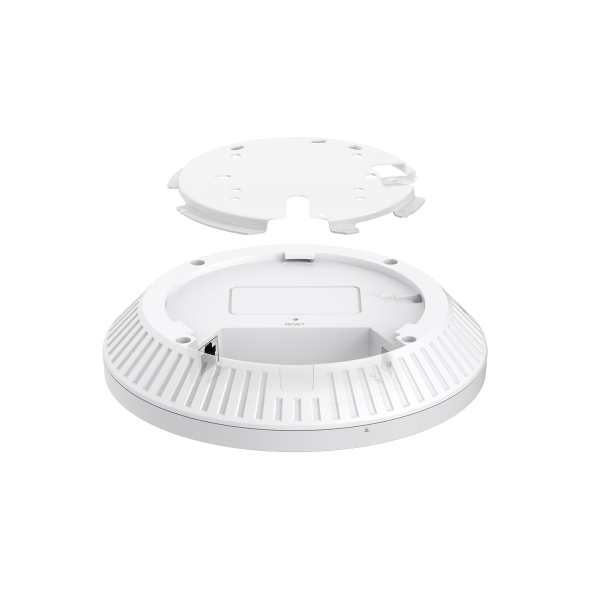
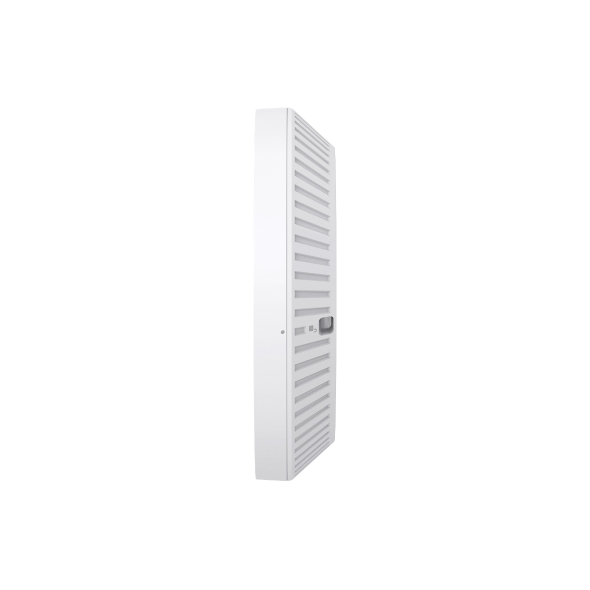
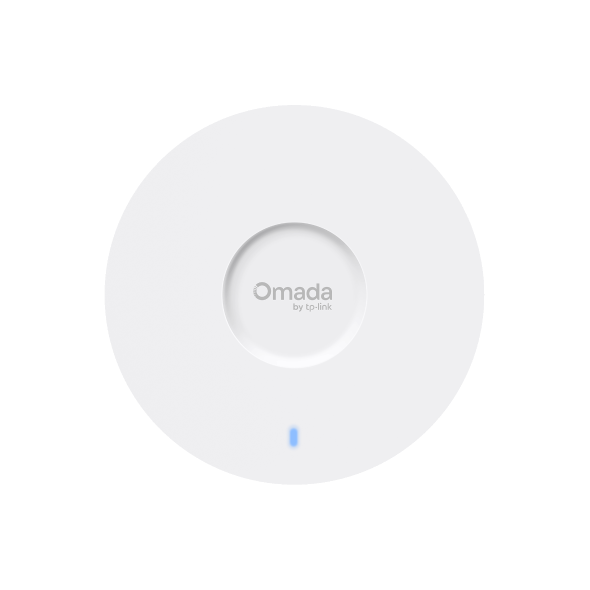
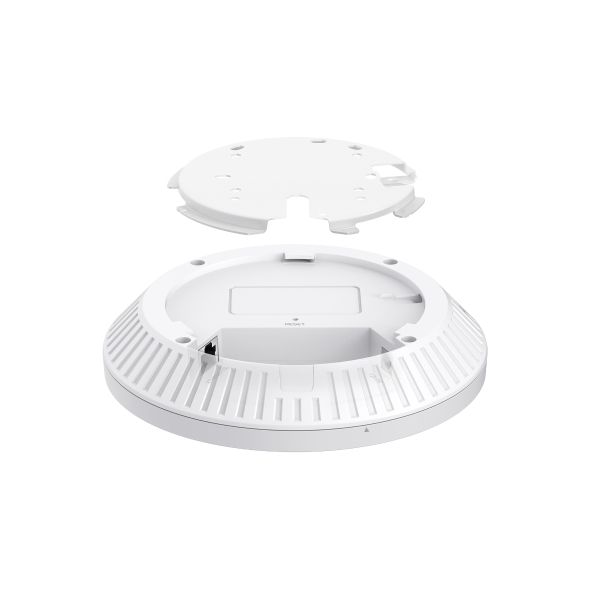
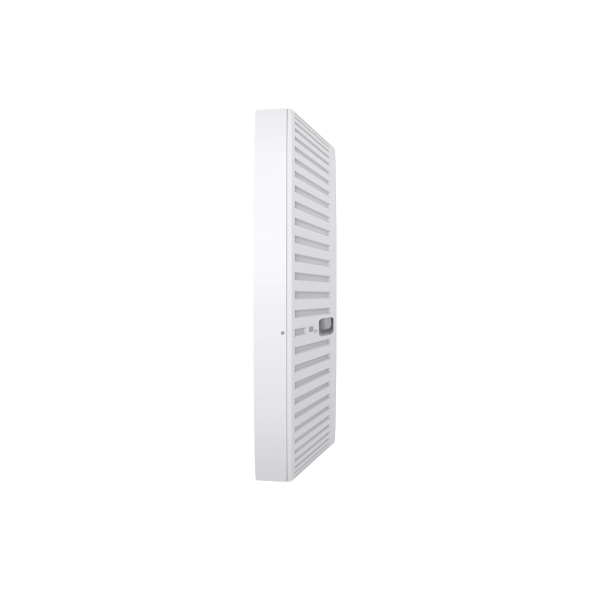
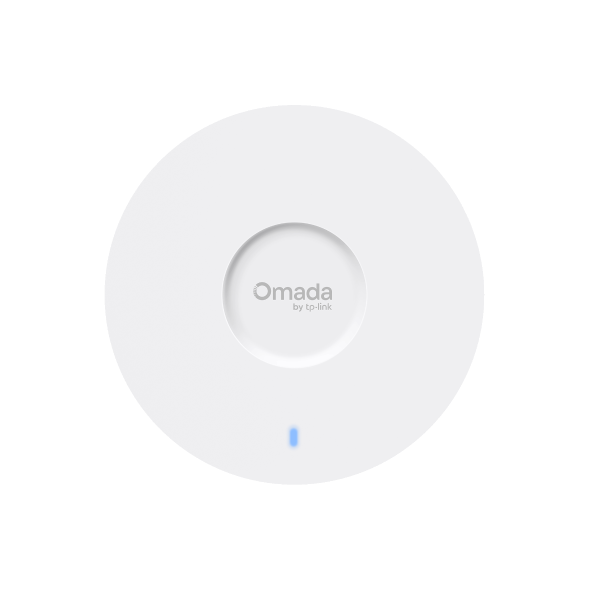
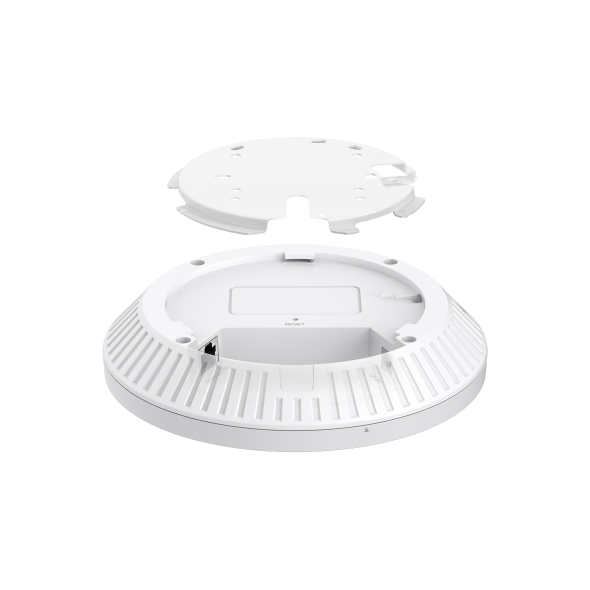
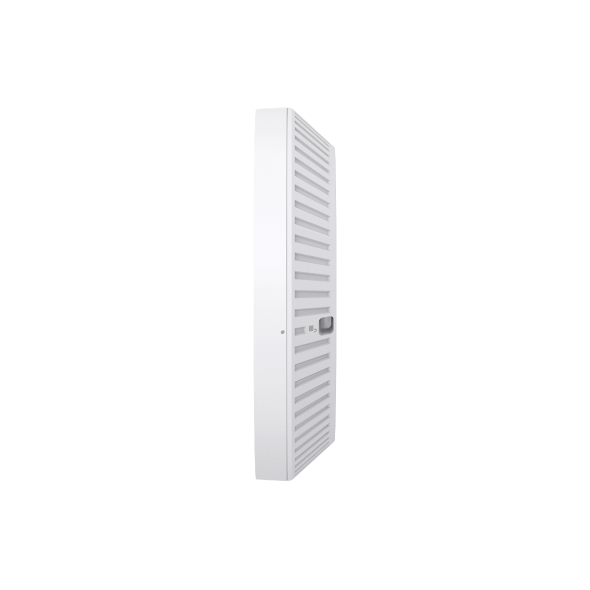
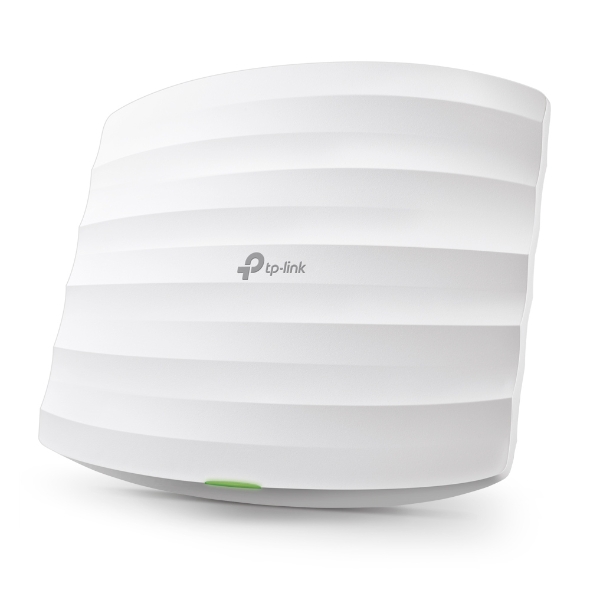
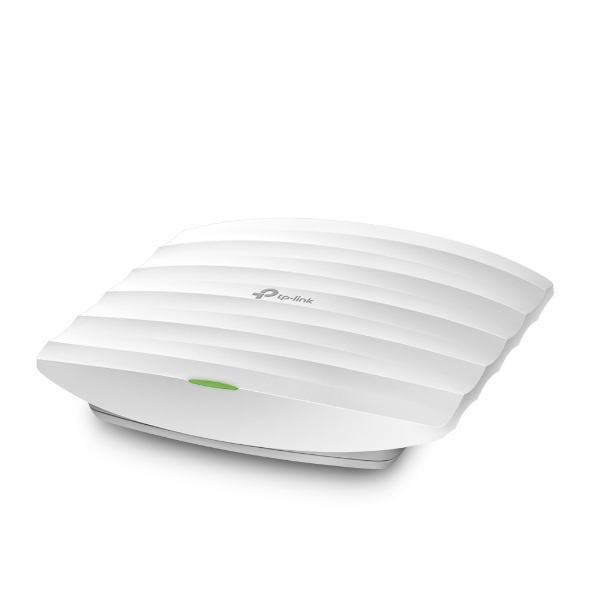
Omada ceiling mount access points deliver centrally managed wireless connectivity for offices, hospitality venues, retail environments, and high-density spaces. The range spans Wi-Fi 5 through Wi-Fi 7, with models suited for standard deployments, ultra-thin installations, high-capacity environments, and flagship performance requirements, all managed through a single Omada Controller interface alongside your switches and gateways.












4.0-F_normal_1593323197059j.png)
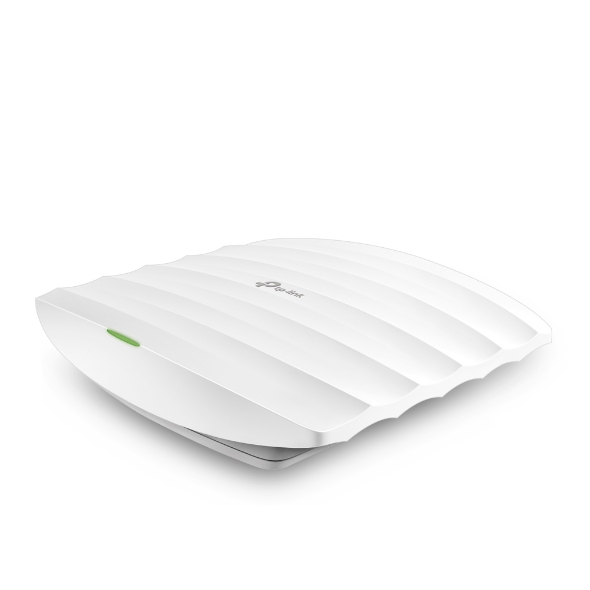
Business Benefits

Scalable Wi-Fi Standards
Models range from Wi-Fi 5 through Wi-Fi 7, with dual-band and tri-band options, letting you match wireless capability to deployment requirements and future-proof coverage.

High-Density Support
High-capacity models support dense environments such as conference rooms, lecture halls, and hospitality common areas where large numbers of devices need to stay connected simultaneously without performance degradation.

Flexible Form Factors
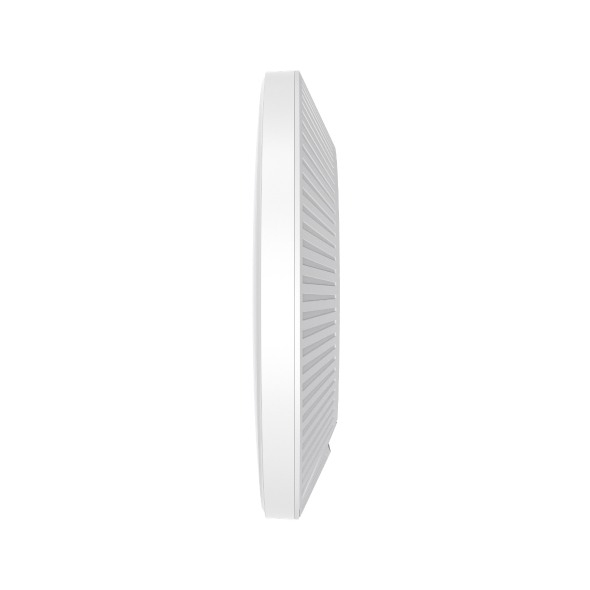
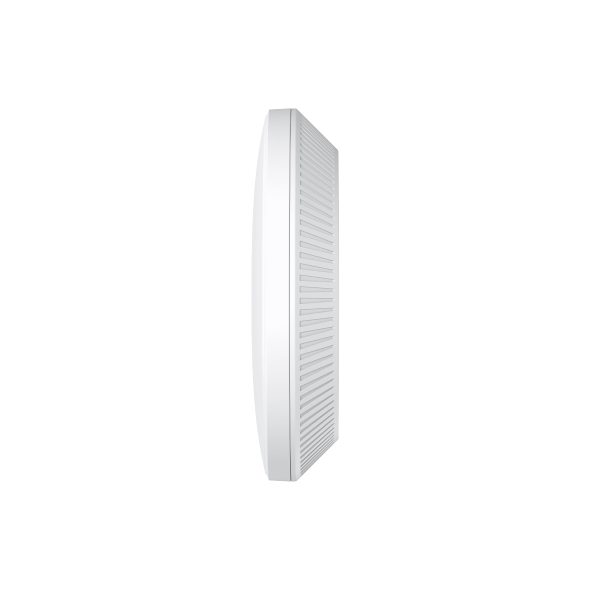
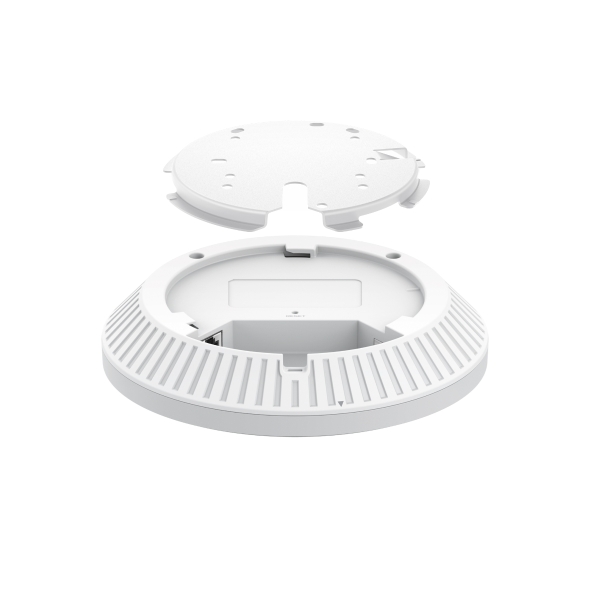
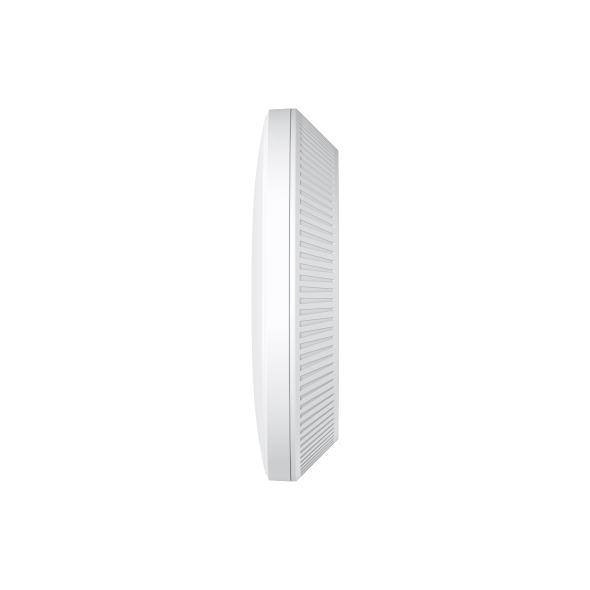
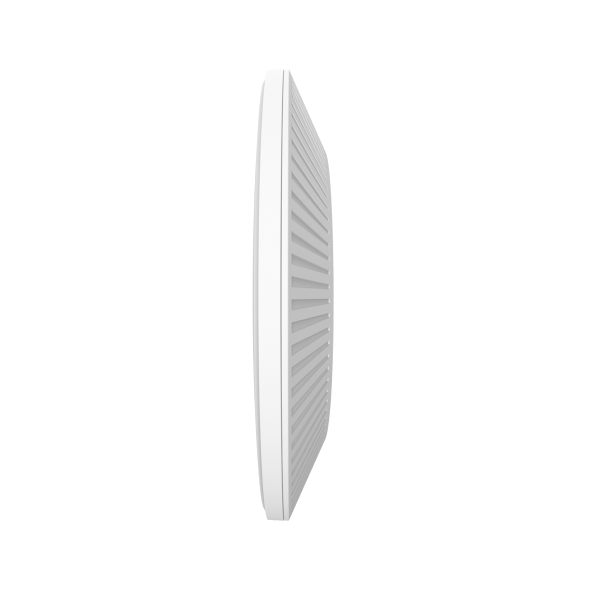
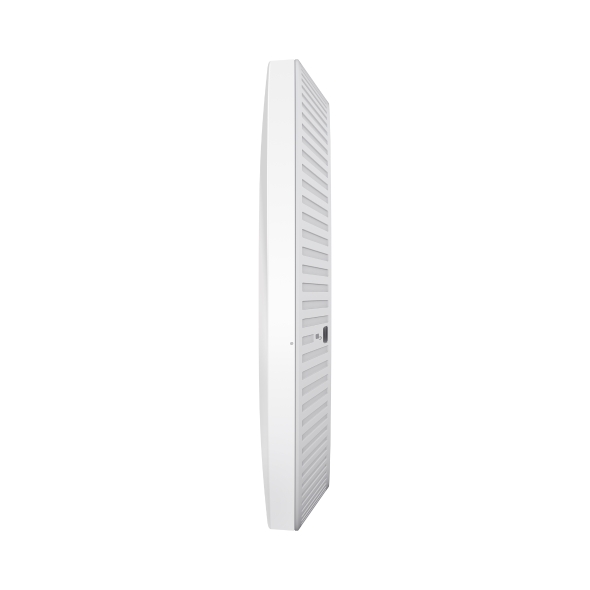
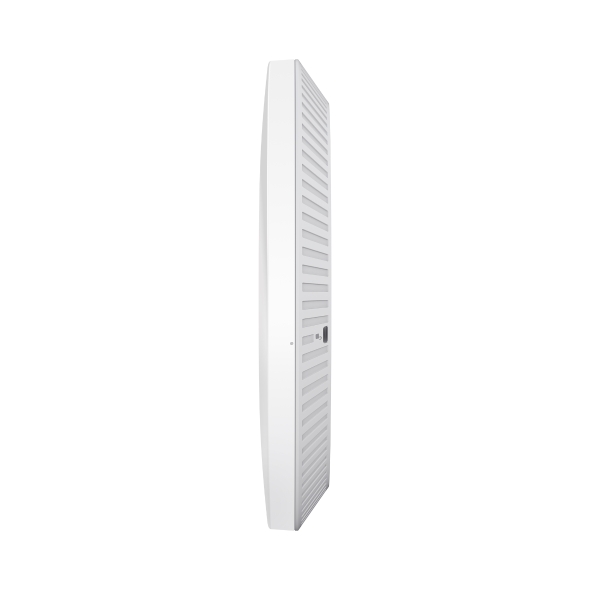
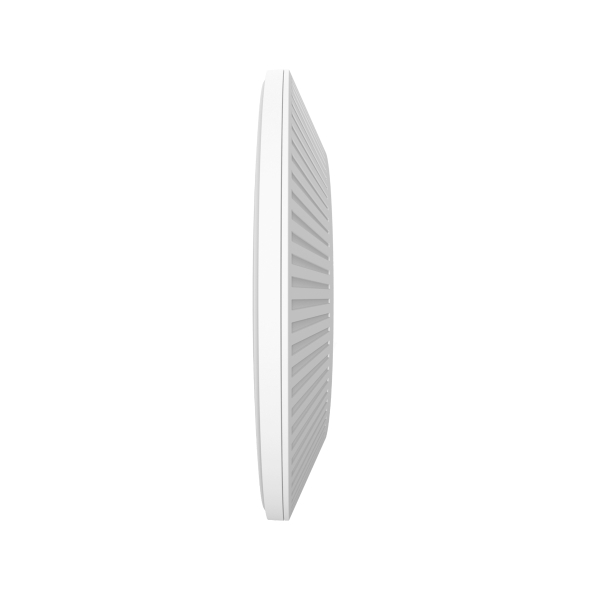
Ceiling-mount options include standard, ultra-thin, and compact models, accommodating varied installation environments from open-plan offices to spaces with limited ceiling depth.

Seamless Roaming
Fast roaming support helps maintain active sessions as users move between access points, reducing dropped VoIP calls and interrupted video conferences in environments where staff or guests are in constant motion.

Centralized Management Across Sites
Configure, monitor, and troubleshoot all access points from one interface, whether you're managing a single office or dozens of locations. Cloud-based, hardware, and software controller options let administrators maintain consistent policies without on-site visits.

Unified Ecosystem Integration
Ceiling mount access points work alongside Omada PoE switches and gateways as part of the complete Omada by TP-Link networking system, with consistent management across all connected devices.
Solving Connectivity Challenges
Ceiling mount access points distribute signal evenly across a floor area from a central overhead position, making them the practical choice for open offices, retail floors, hospitality common areas, and more.

Ceiling-mount deployment in open-plan offices and meeting rooms provides even coverage across workspaces, supporting employee devices, VoIP phones, and video conferencing systems with consistent connectivity throughout the floor plan.
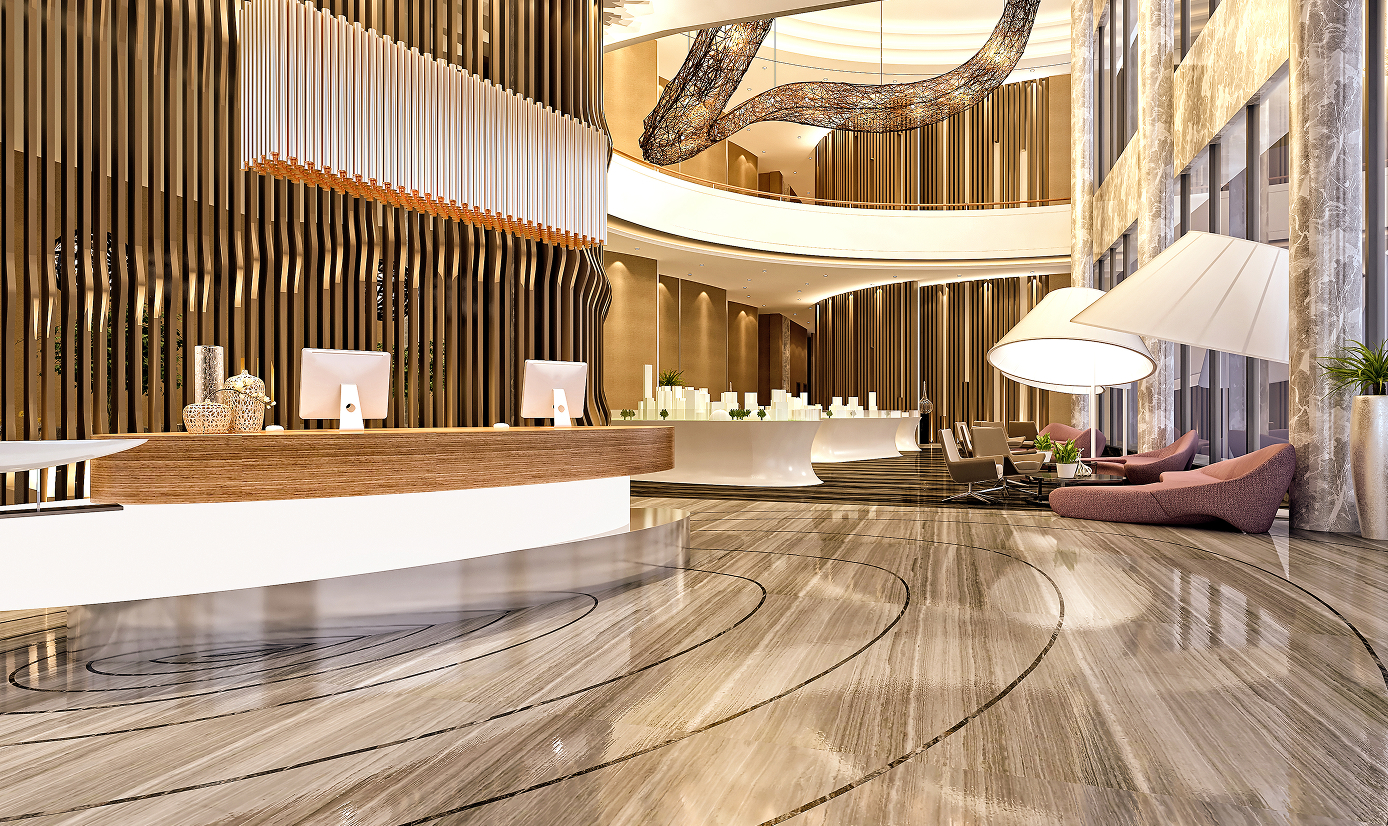
Hotels and resorts deploy ceiling mount APs in lobbies, corridors, restaurants, and conference spaces to deliver reliable guest Wi-Fi and staff connectivity across large, multi-zone properties managed from a single controller.
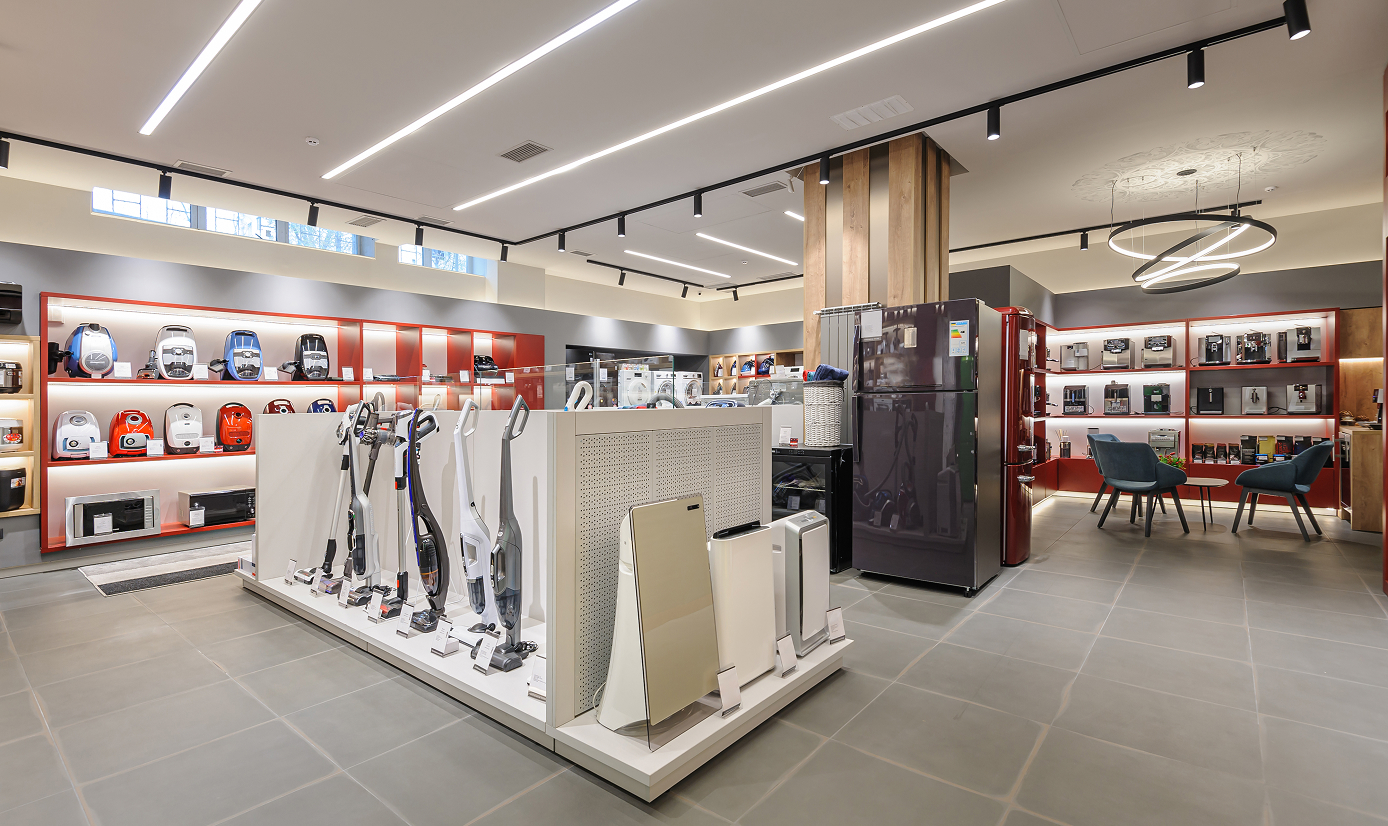
Retail locations use ceiling mount APs to cover sales floors and back-of-house areas, supporting POS systems, inventory management devices, and guest Wi-Fi on separate network segments.

Conference centers, lecture halls, and event spaces with large numbers of simultaneous connections benefit from models built to handle heavy device density without performance dropping under load.

Organizations managing multiple sites, such as restaurant chains or professional services firms, deploy cloud-managed ceiling mount APs to maintain consistent configuration and visibility across all locations from one interface.

Schools and universities use ceiling mount APs to provide coverage across classrooms, libraries, and common areas, with VLAN segmentation separating student, staff, and guest traffic across the same physical infrastructure.
FAQs
What is a ceiling mount Wi-Fi access point, and when should it be used? 
A ceiling mount access point is a wireless networking device installed overhead, typically in the center of a room or along a corridor, to distribute Wi-Fi coverage evenly across a space. It's the preferred installation choice for many business environments because ceiling placement maximizes coverage radius, reduces signal obstructions from furniture and walls, and keeps hardware out of reach for a cleaner installation.
What are the benefits of ceiling-mounted access points compared to wall-mounted or desktop models?
Ceiling mount access points provide more even coverage across a floor area compared to wall-plate models, which are better suited to individual rooms or hospitality guest rooms, or desktop units designed for smaller deployments. Mounting overhead reduces interference from physical obstructions, supports larger coverage areas per device, and is generally preferred for open-plan spaces and high-traffic environments. For spaces where corridor or room-by-room coverage is the priority, wall-plate access points may be a more appropriate fit.
Are Omada ceiling mount access points suitable for high-density environments?
Yes. The Omada ceiling mount range includes high-capacity and flagship models — including Wi-Fi 6, Wi-Fi 6E, and Wi-Fi 7 options — suited for environments where large numbers of devices connect simultaneously. These models are best for conference halls, lecture theaters, and hospitality common areas where device density is high and consistent performance is required.
Can Omada ceiling mount access points be powered using PoE?
Yes. Omada ceiling mount access points are powered via Power over Ethernet (PoE), receiving both data and power through a single Ethernet cable from a compatible PoE switch. This simplifies installation by eliminating the need for separate power runs to each access point location. PoE power requirements vary by model, so check individual product specifications to confirm the PoE standard required.
Do Omada ceiling mount access points support centralized cloud and on-premises management?
All Omada ceiling mount access points are managed through the Omada Controller, available as a cloud-based service, hardware controller, or software controller installed on a local server. This gives administrators a single interface to configure SSIDs, VLANs, security policies, and monitor network status, whether managing one site or many distributed locations.
How many ceiling mount access points do I need for my business premises?
The number of access points required depends on the size of the space, construction materials, the number of devices connecting simultaneously, and the applications in use. As a general starting point, access point requirements should be based on coverage area, client density, and network demands rather than employee count alone. Larger or higher-density environments typically require additional access points, while obstacles such as concrete walls, metal partitions, and other physical barriers can reduce effective coverage. A site survey is recommended for complex or high-density deployments to determine optimal placement and channel planning.
Which environments are best suited for ceiling mount Wi-Fi access points?
Ceiling mount access points are well-suited to open-plan offices, retail floors, hotel lobbies and common areas, restaurants, schools and universities, conference centers, and any space where consistent coverage across a broad area is the priority. For environments where coverage is needed room by room — such as hotel guest rooms or hospital patient rooms — wall-plate access points are typically a better fit. For smaller or temporary deployments, desktop models may also be considered.