


Hardware Controllers
for Business Networks
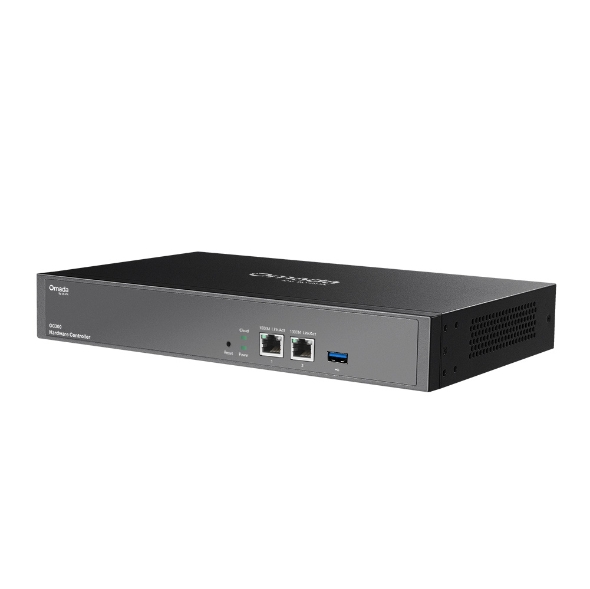
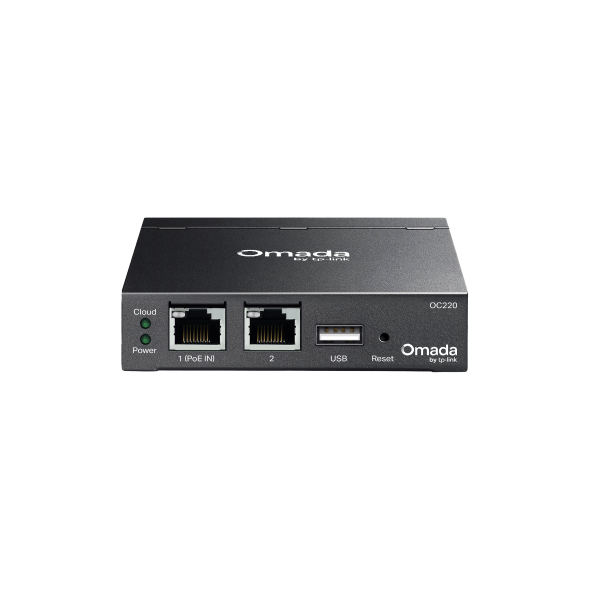
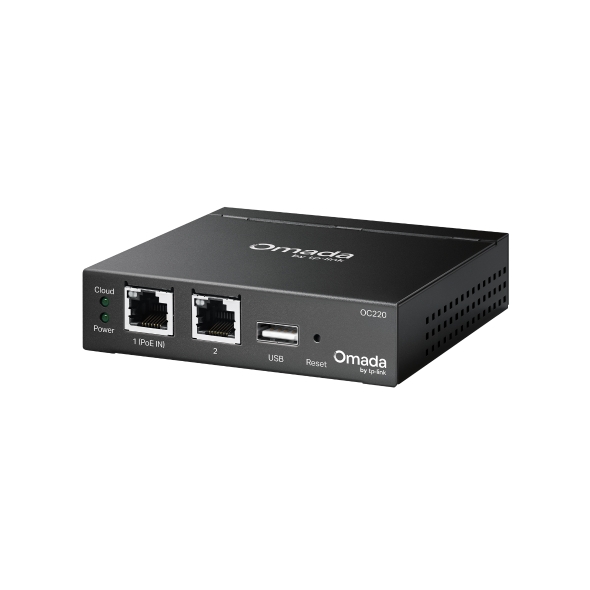
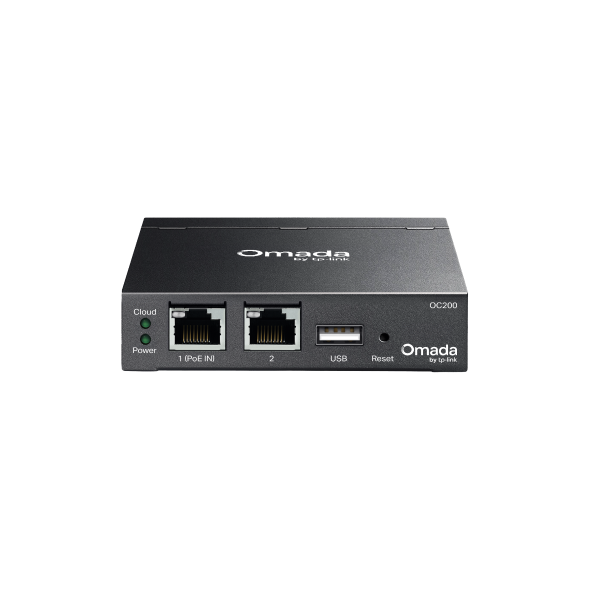
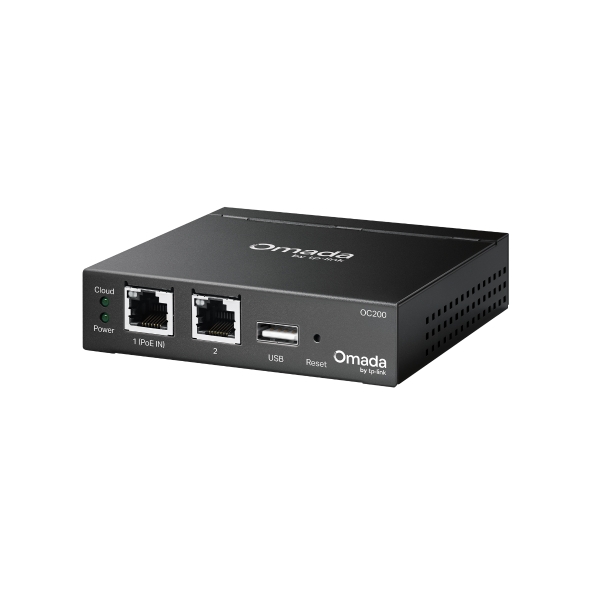
Omada hardware controllers give your business a dedicated, on-premise solution for managing Omada access points, switches, and gateways from a single interface. Built for IT managers and service providers who need consistent, secure, and scalable network control, Omada by TP-Link hardware controllers combine local stability with the flexibility of free cloud access.

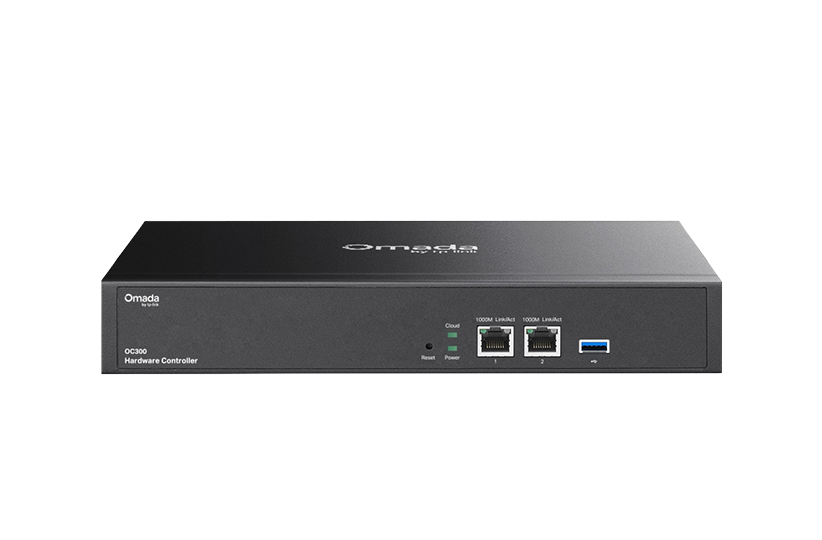
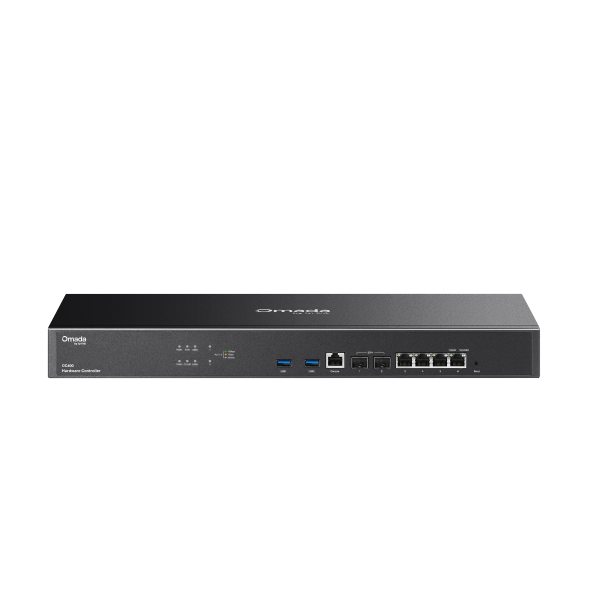
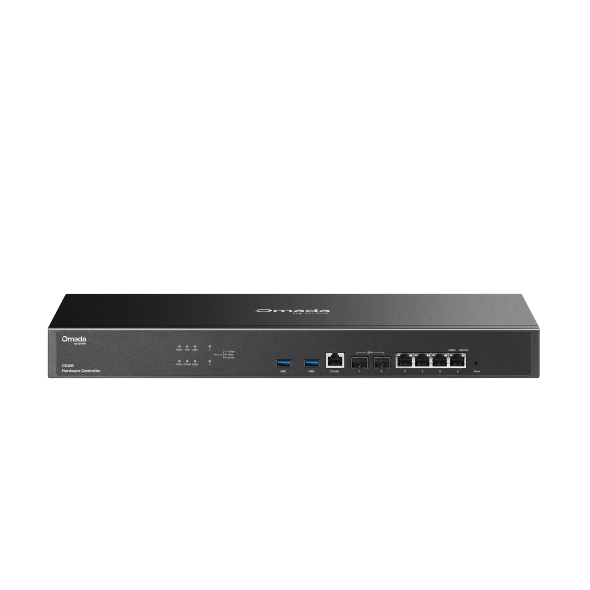
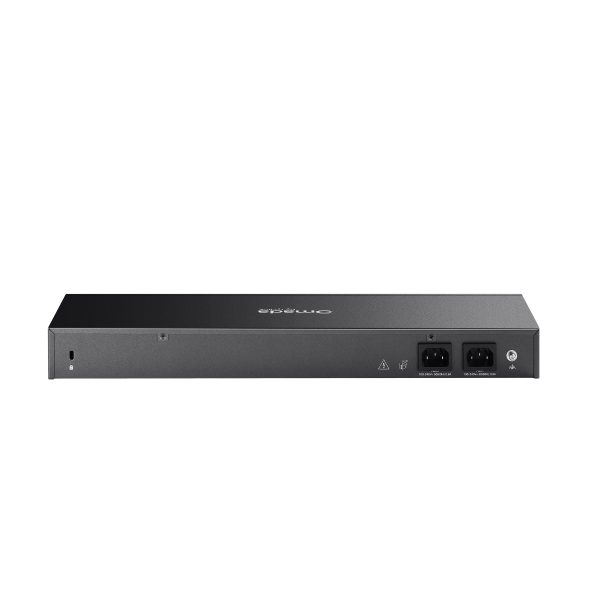
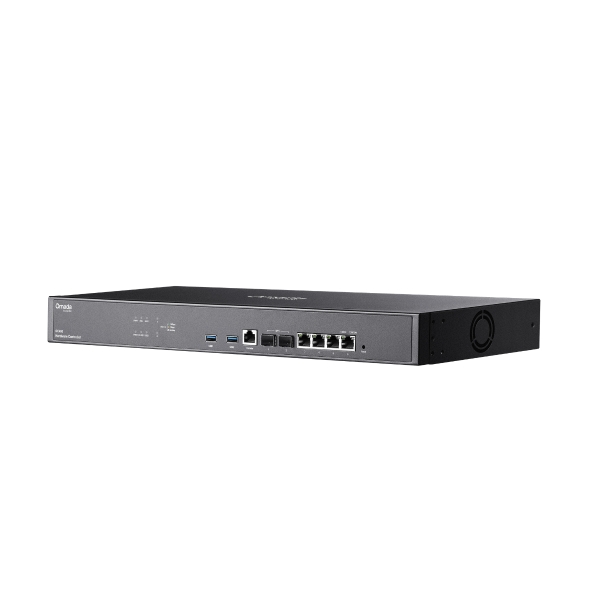
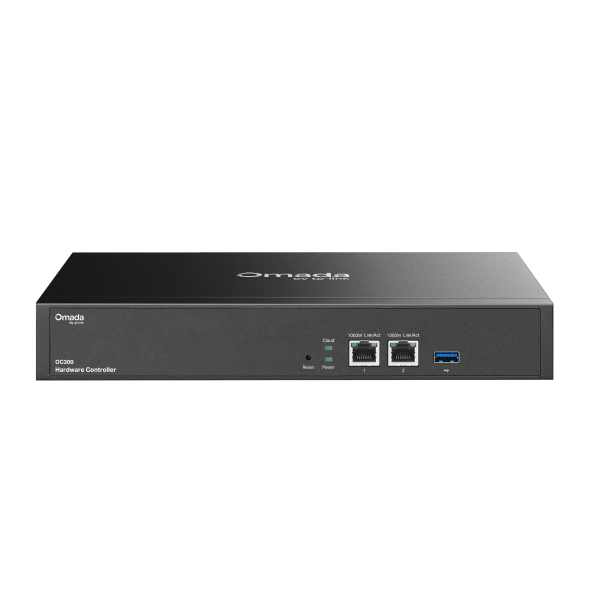
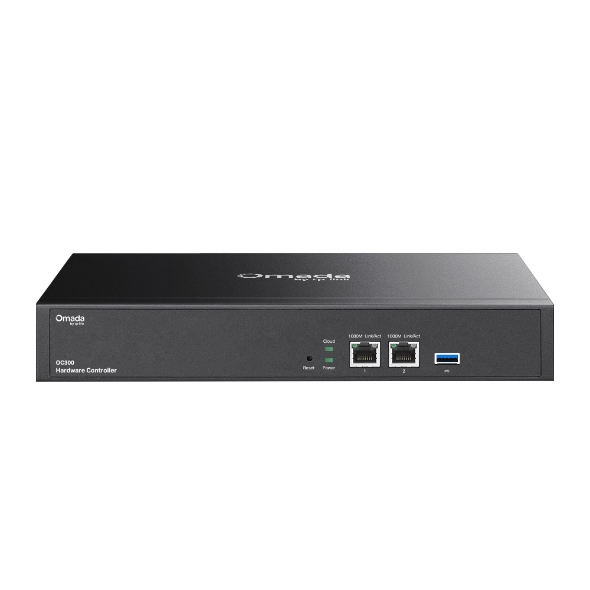
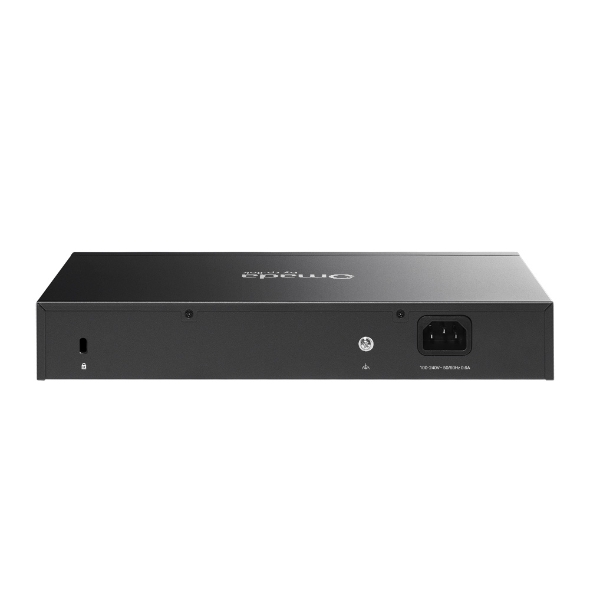




Business Benefits

On-Premises Control with Cloud Flexibility
Manage your network locally for maximum stability and control, or access the same interface remotely through the Omada app or web UI — no additional subscription required.

Scalable Device Management
Select hardware controllers manage hundreds of access points, gateways, and switches across one or many locations, suited for growing businesses and MSPs managing multiple clients.

Real-Time Network Visibility
An intuitive dashboard displays live network status, traffic distribution, and a real-time topology map, so administrators can identify and resolve issues faster.

Simplified Multi-Site Operations
Batch configuration, multi-site management, and Wi-Fi heatmap tools reduce the time spent on routine maintenance and new site deployments across distributed networks.

Built for Reliability
Durable metal enclosures and redundant power supply options on select models keep your controller online when your network needs it most.

Solving Connectivity Challenges
Whether you're managing a single office or multiple locations, Omada hardware controllers provide the on-premises stability and remote visibility your team needs to keep the network running.

Manage POS systems, guest Wi-Fi, and back-of-house networks across every location from one controller, with batch configuration keeping settings consistent from site to site.
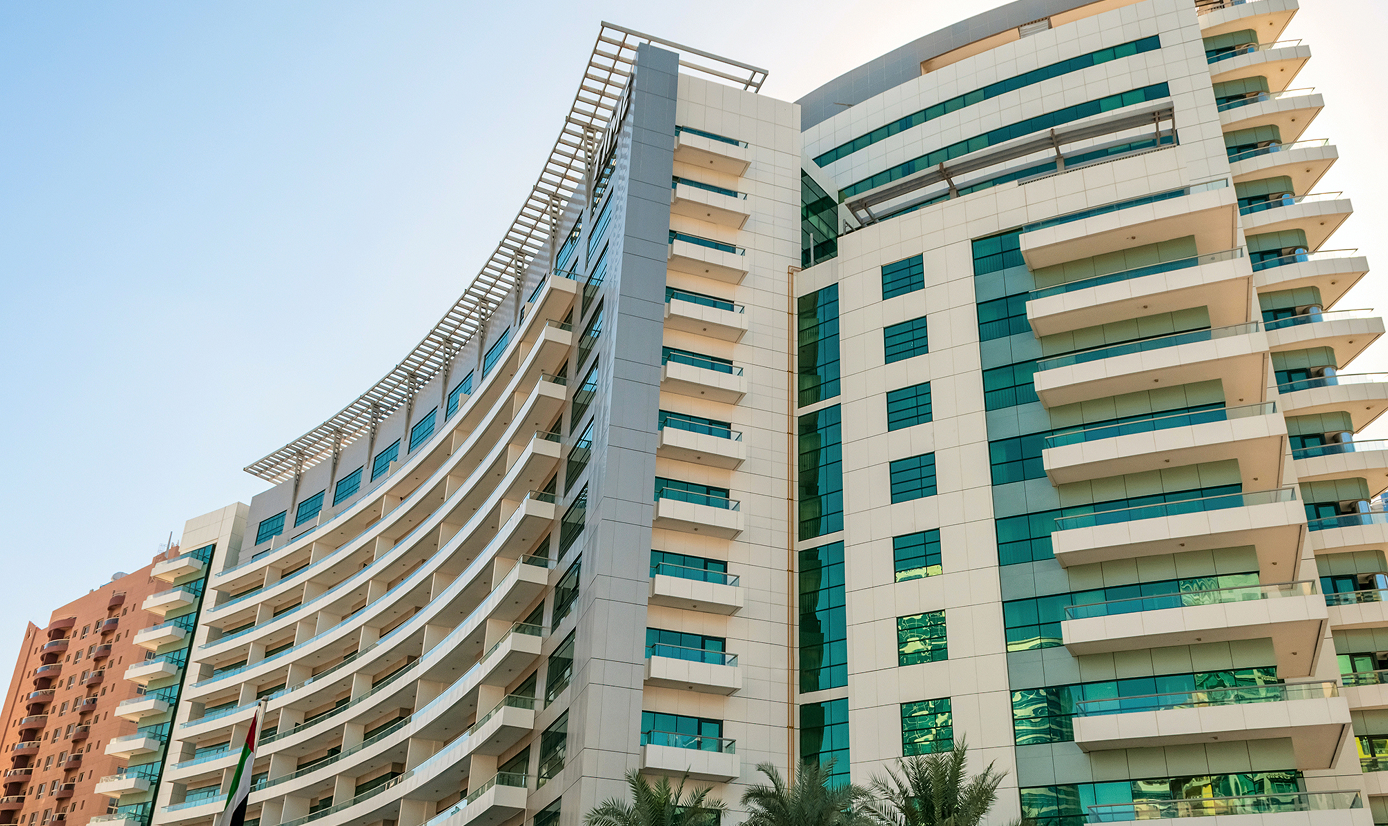
IT teams at hotels and resorts use hardware controllers to monitor guest connectivity across rooms, lobbies, and outdoor areas in real time, with topology views that simplify troubleshooting.
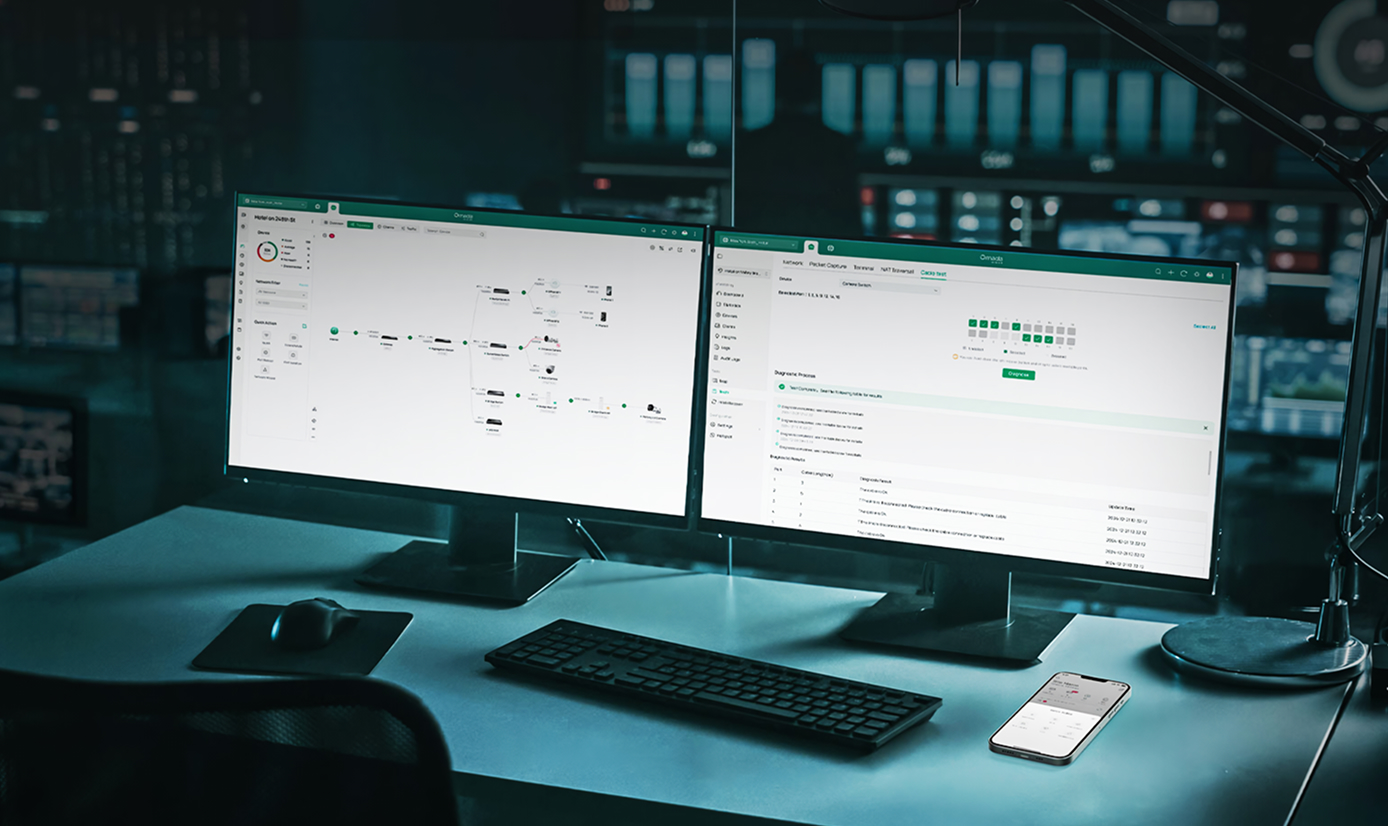
MSPs standardize on a hardware controller to manage multiple client networks from a single platform, reducing on-site visits through remote access and centralized monitoring.
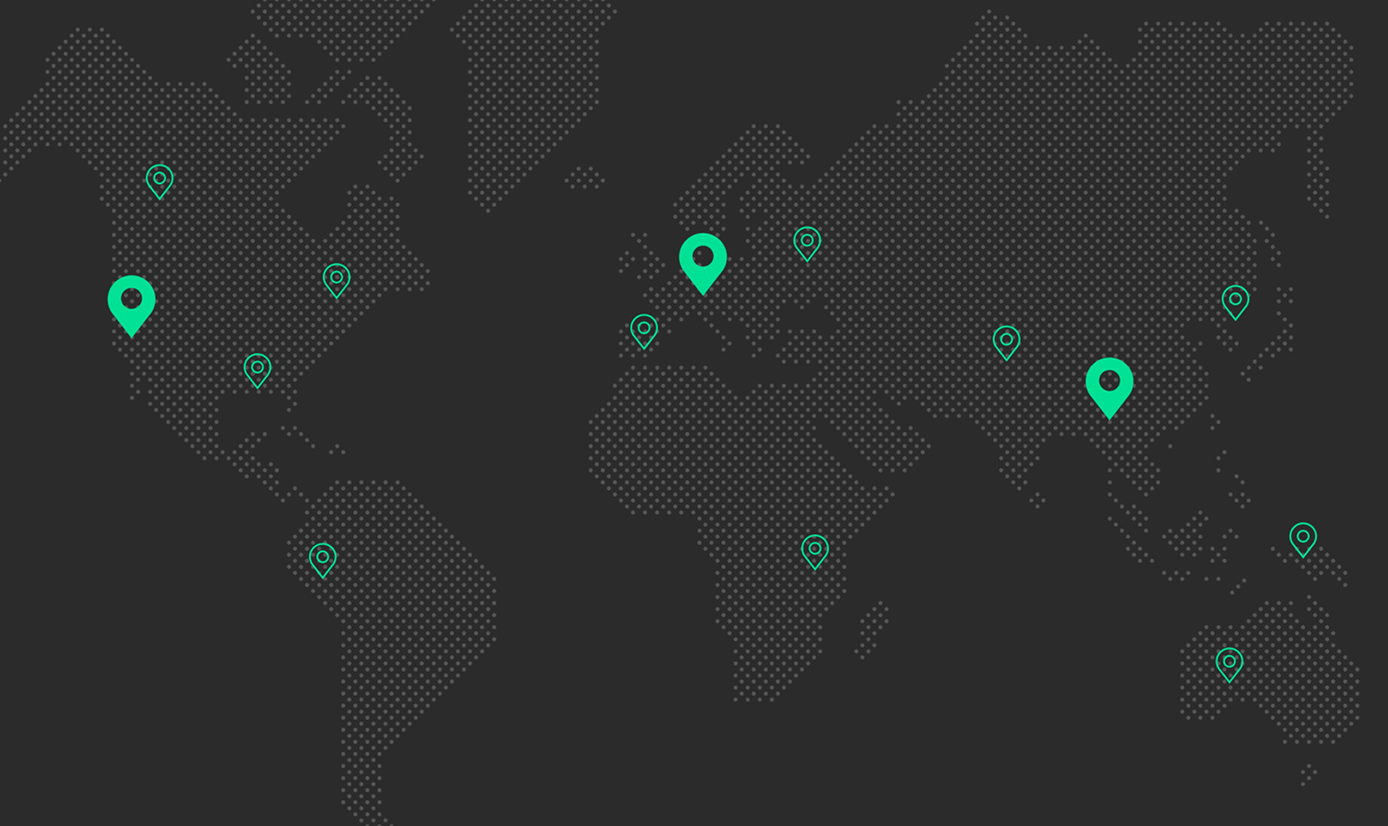
Organizations with distributed offices deploy hardware controllers for stable local management, with cloud access giving head-office IT teams visibility across all sites.

Network administrators manage high device counts across buildings and outdoor areas, using multi-site tools and heatmap simulators to plan and maintain coverage.
Organizations that require all management traffic to remain on-premises choose hardware controllers over cloud-only solutions for complete local control and data sovereignty.
FAQs
What is a hardware network controller? 
A hardware controller is a physical device that manages and monitors all the networking equipment on your network, including access points, switches, and gateways, from a single interface. It runs the Omada controller software on dedicated hardware rather than on a shared server or in the cloud.
How is a hardware controller different from a cloud or software controller?
A hardware controller is a standalone device installed on your premises, providing local management without relying on a third-party cloud service or a general-purpose server. Unlike a software controller, it doesn't require a PC to run. It also supports free cloud access, so you can manage your network remotely while keeping the primary management function on-site.
Do hardware controllers require ongoing subscriptions?
Omada hardware controllers include free cloud access with no recurring subscription fees, so you can manage and monitor your network through the Omada app or web platform from anywhere without additional licensing costs.
Can a hardware controller manage multiple sites or locations?
Omada hardware controllers support multi-site management, allowing administrators to oversee networks across different physical locations from the same interface. Batch configuration and site management tools help your business maintain consistent settings across many sites.
What happens if the hardware controller goes offline? Will the network still work?
If the controller goes offline, existing network forwarding typically continues, while centralized configuration, monitoring, and certain controller-dependent services may be temporarily unavailable.
Is a hardware controller easy to deploy compared to software-based solutions?
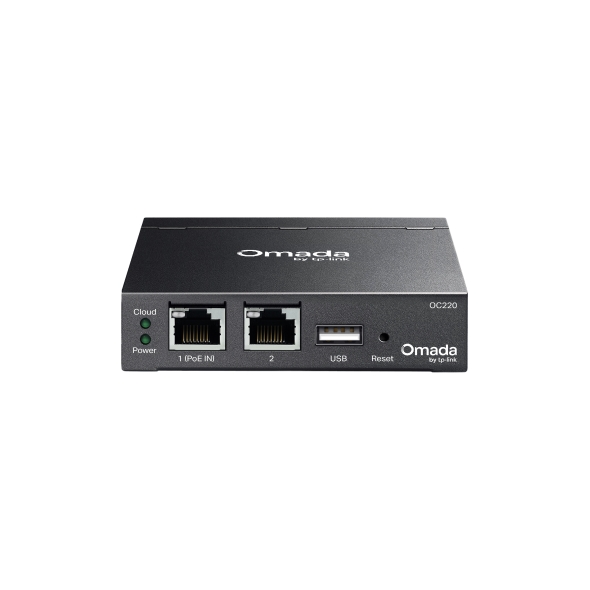
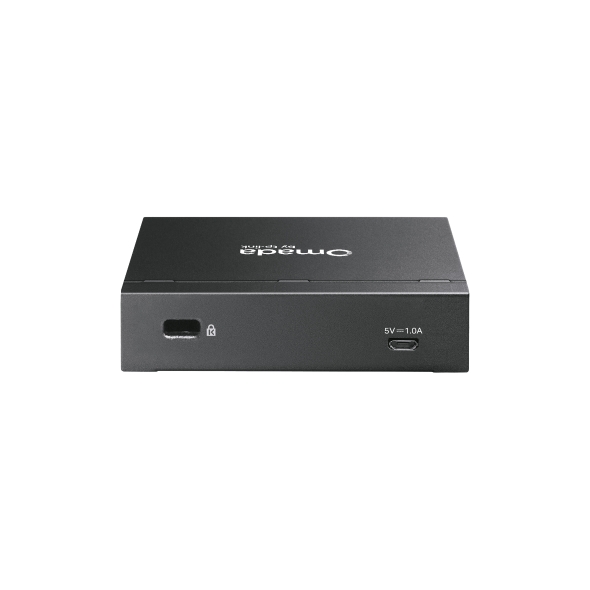
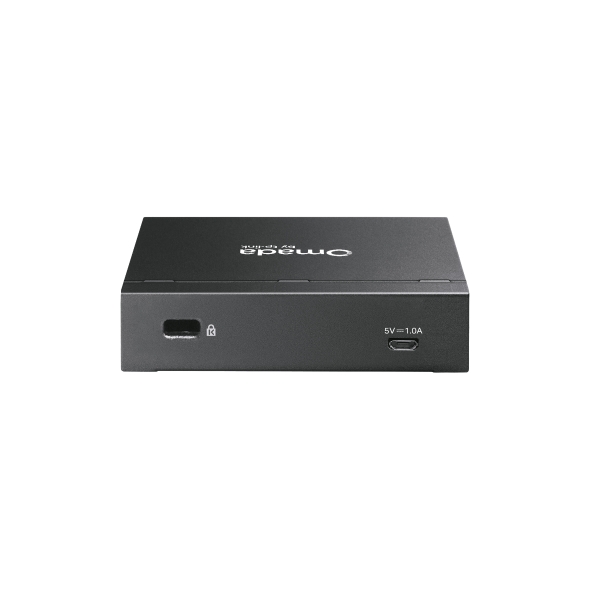
Because the controller software runs on dedicated hardware, there is no server setup or operating system configuration required. Compact form factors with flexible installation options, including PoE support on select models, make deployment simple in a variety of locations.