


Power and PoE
for Business Networks
Omada by TP-Link power and PoE accessories help deliver reliable power and connectivity across business networks. This collection includes passive PoE adapters, standards-compliant PoE injectors, PoE extenders, PoE splitters, and power supply modules, supporting deployments ranging from small offices to large-scale indoor and outdoor environments.

_1.0_normal_20231120073117w.png)
_1.0_01_normal_20231120073148d.jpg)
_1.0_02_normal_20231120073206y.jpg)
_1.0_03_normal_20231208093213q.jpg)
_normal_20250606084846y.png)
1.0_normal_20231207033741j.png)
1.0_2_normal_20231016025605r.jpg)
1.0_1_normal_20231016025618q.jpg)
1.0_3_normal_20231016025653s.jpg)


2.20_normal_20231130092214k.png)
2.20_normal_20231130092227f.jpg)
2.20-F_normal_20231130092415i.jpg)
2.20-package_normal_20231130092429c.jpg)
3.0_R.psd_normal_20231207034406q.png)

1.0_1_normal_20231013080501g.jpg)
1.0_3_normal_20231013080524f.jpg)



3.0_normal_20231207035119d.png)
3.0_2_normal_20231110092100u.jpg)
3.0_1_normal_20231110092126u.jpg)
3.0_3_normal_20231110092151e.jpg)








Business Benefits

Eliminate Separate Power Runs
Deliver power and data over a single Ethernet cable, reducing installation complexity and costs when adding access points, IP cameras, or VoIP phones where nearby power outlets aren't accessible.

Reliable Device Powering
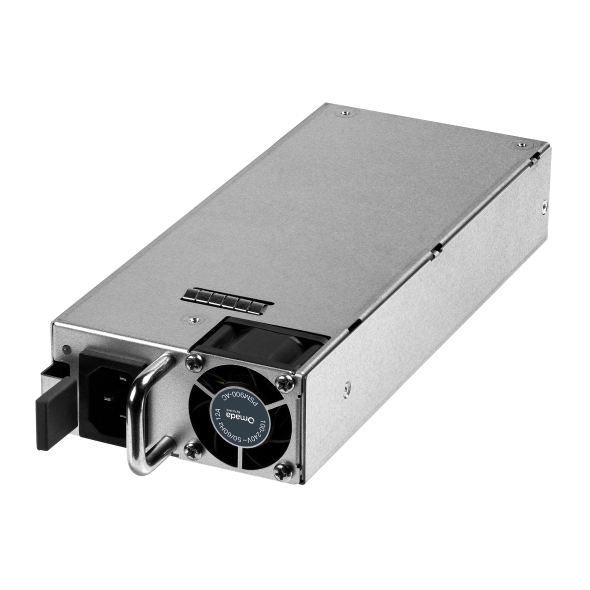
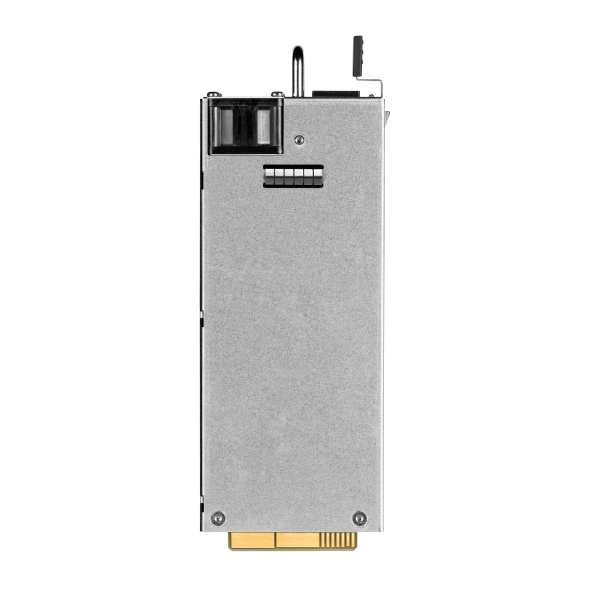
Power supply modules provide stable power for compatible Omada networking devices, helping maintain uptime and supporting deployments where dedicated power components are required.

Standards-Compliant Power Delivery
IEEE 802.3af/at/bt-compliant injectors automatically detect and supply only the power each connected device requires, protecting equipment without manual configuration.

Extend Coverage Beyond Cable Limits
PoE extenders push network connections and power beyond standard Ethernet limits, reaching cameras and access points in parking areas, warehouses, and outbuildings.

Flexible Power Delivery Options
PoE splitters with selectable power output allow non-PoE devices to receive power from a PoE-enabled network, while power supply modules provide dedicated, reliable power for compatible networking equipment.

Plug-and-Play Deployment
All Omada PoE adapters, injectors, extenders, and splitters require no configuration — connect the device and the network, and they operate immediately.
Omada Ecosystem
Omada power and PoE accessories work alongside Omada Wi-Fi access points, switches, wireless bridges, and other networking equipment as part of the complete Omada by TP-Link ecosystem, providing consistent infrastructure from edge to core.
Solving Connectivity Challenges
Reliable power is essential to network performance. As part of our power and PoE solutions, Omada accessories help deliver power and connectivity where your network needs it.

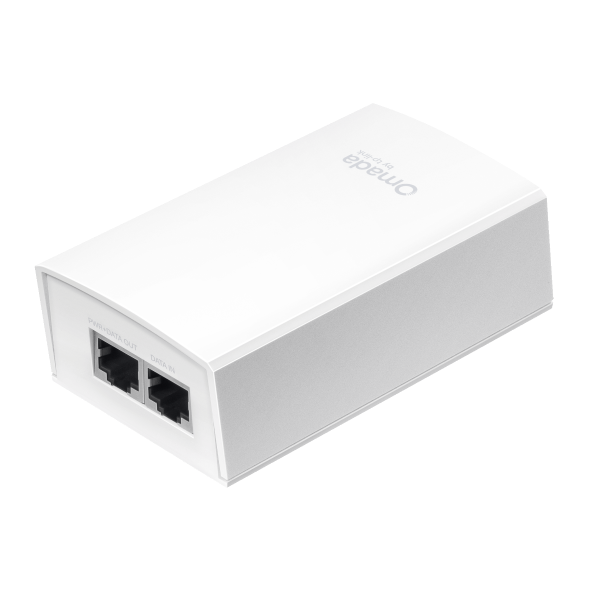
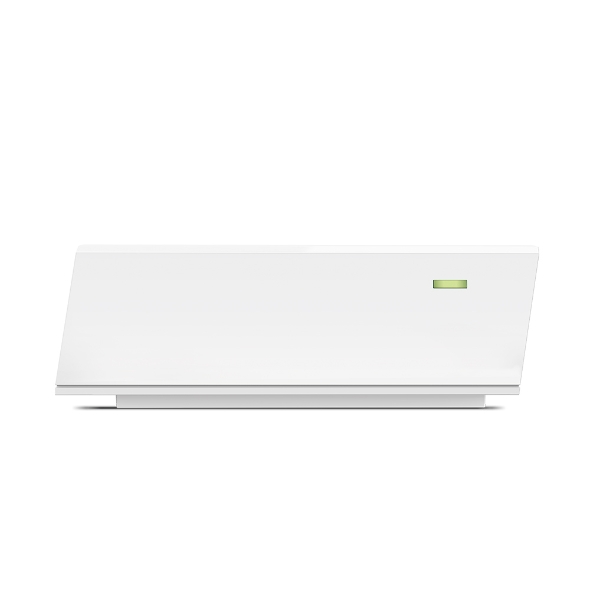
Use a PoE injector to power an access point from any standard Ethernet port, avoiding the cost of replacing existing non-PoE switches.

Power IP cameras in locations where running cable to a PoE switch is impractical, such as warehouses, parking structures, and building perimeters.

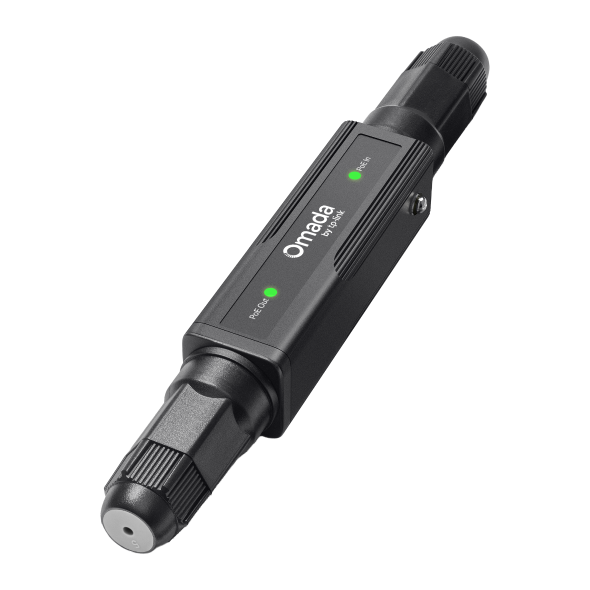
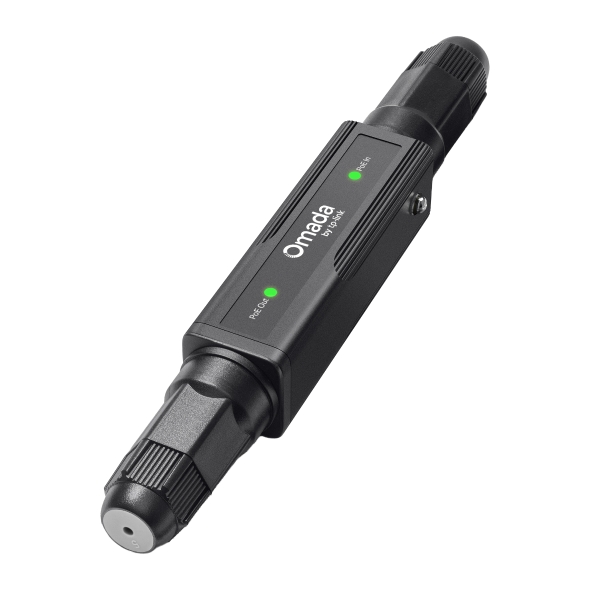
PoE extenders chain power and connectivity past the standard cable limit, reaching outdoor cameras and access points across large properties.
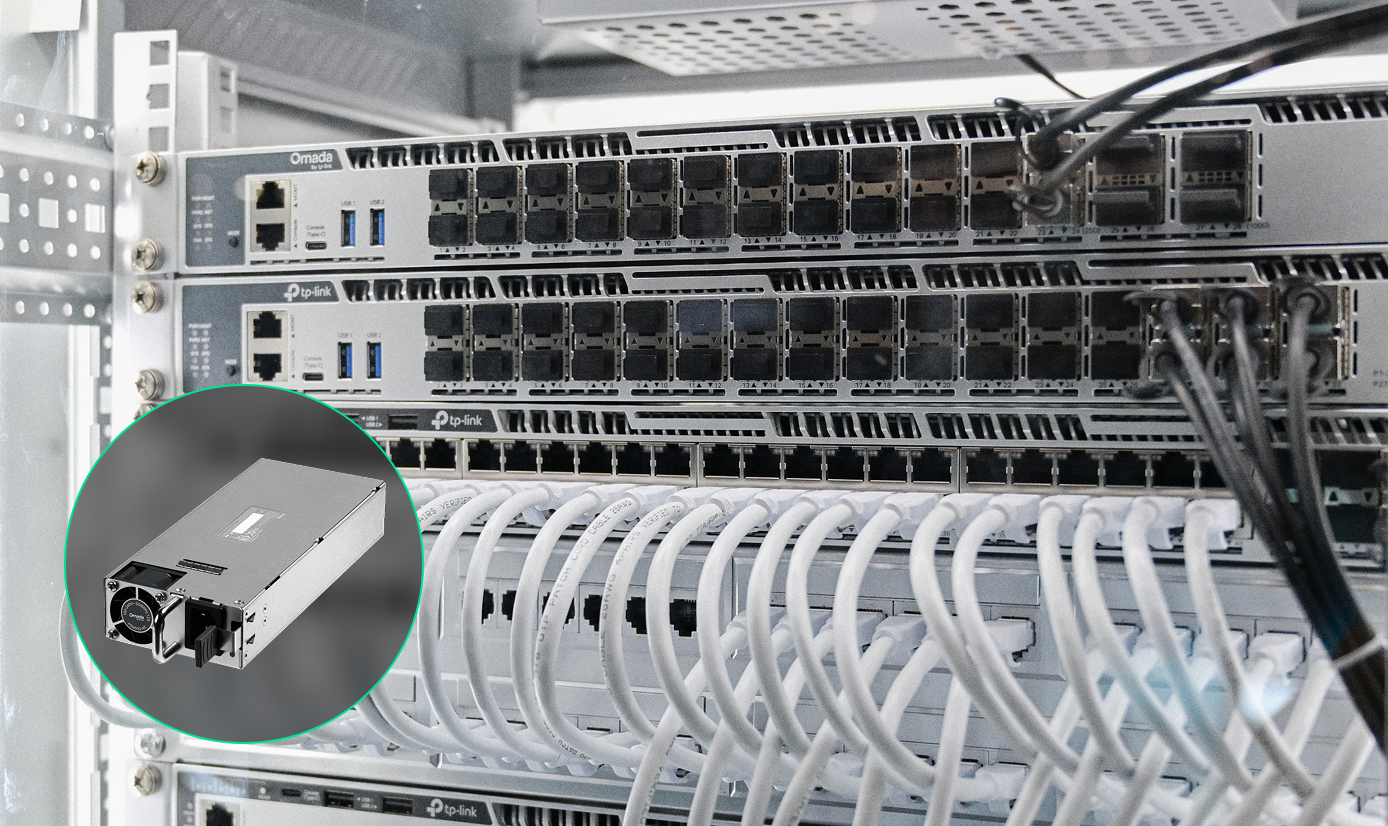
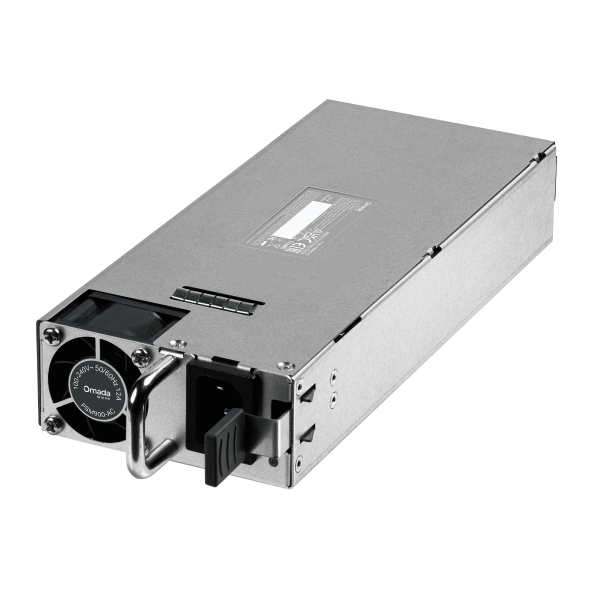
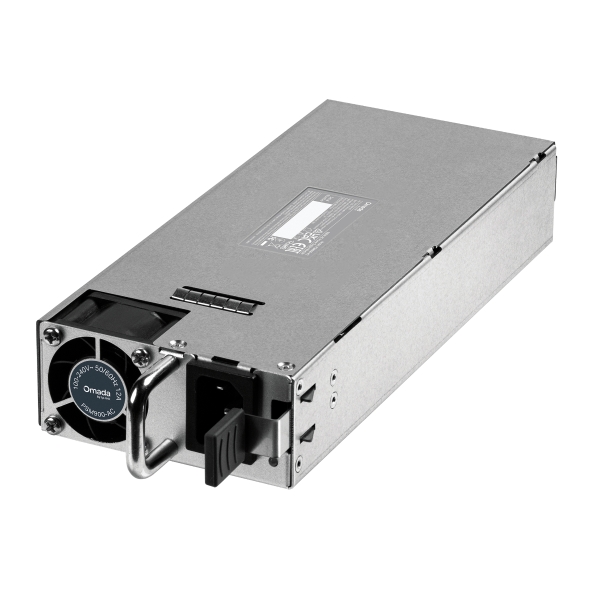
Power supply modules provide dependable power for compatible networking hardware, making them a practical replacement option for failed units or a convenient spare for critical deployments.
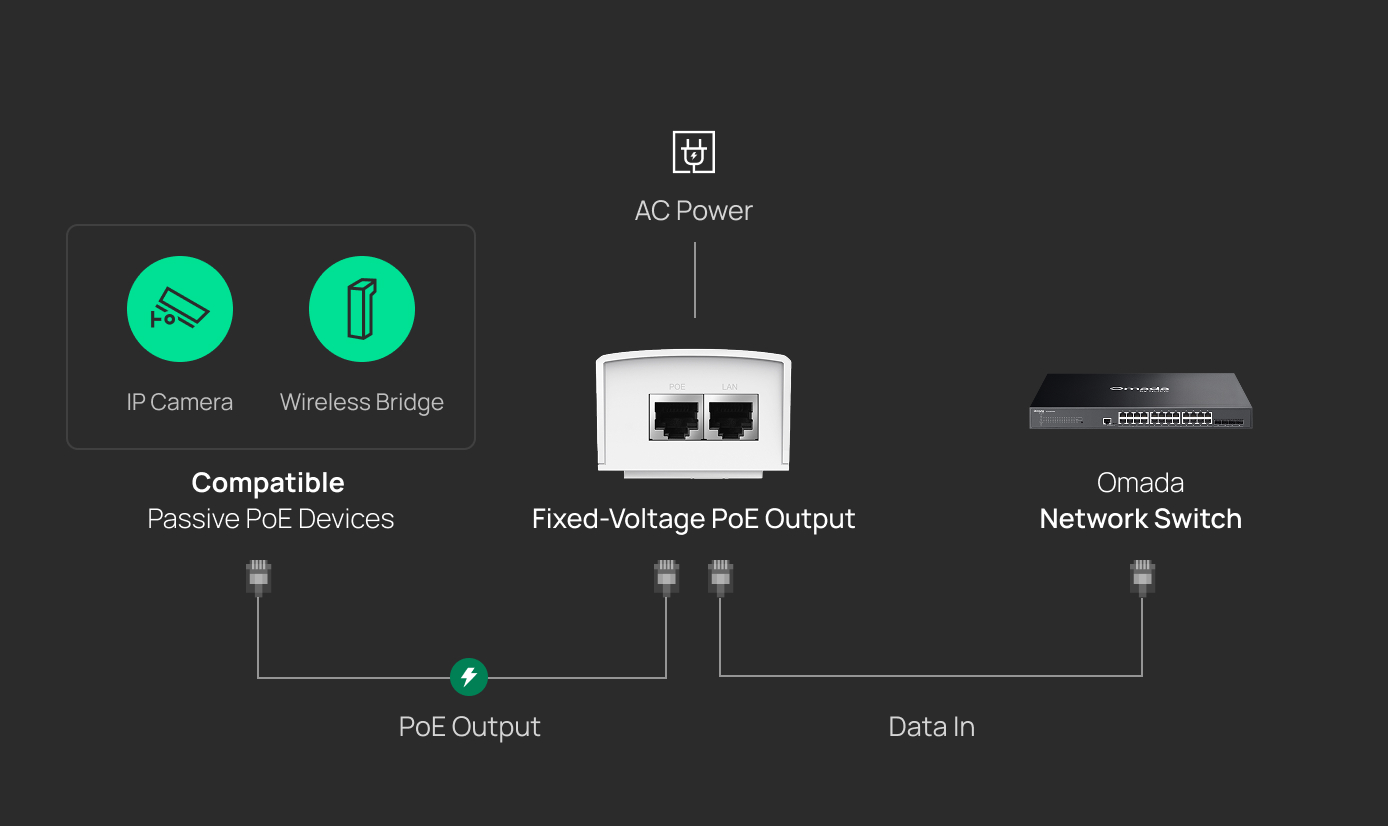
Passive PoE adapters power devices with specific voltage requirements where active PoE negotiation is not supported.
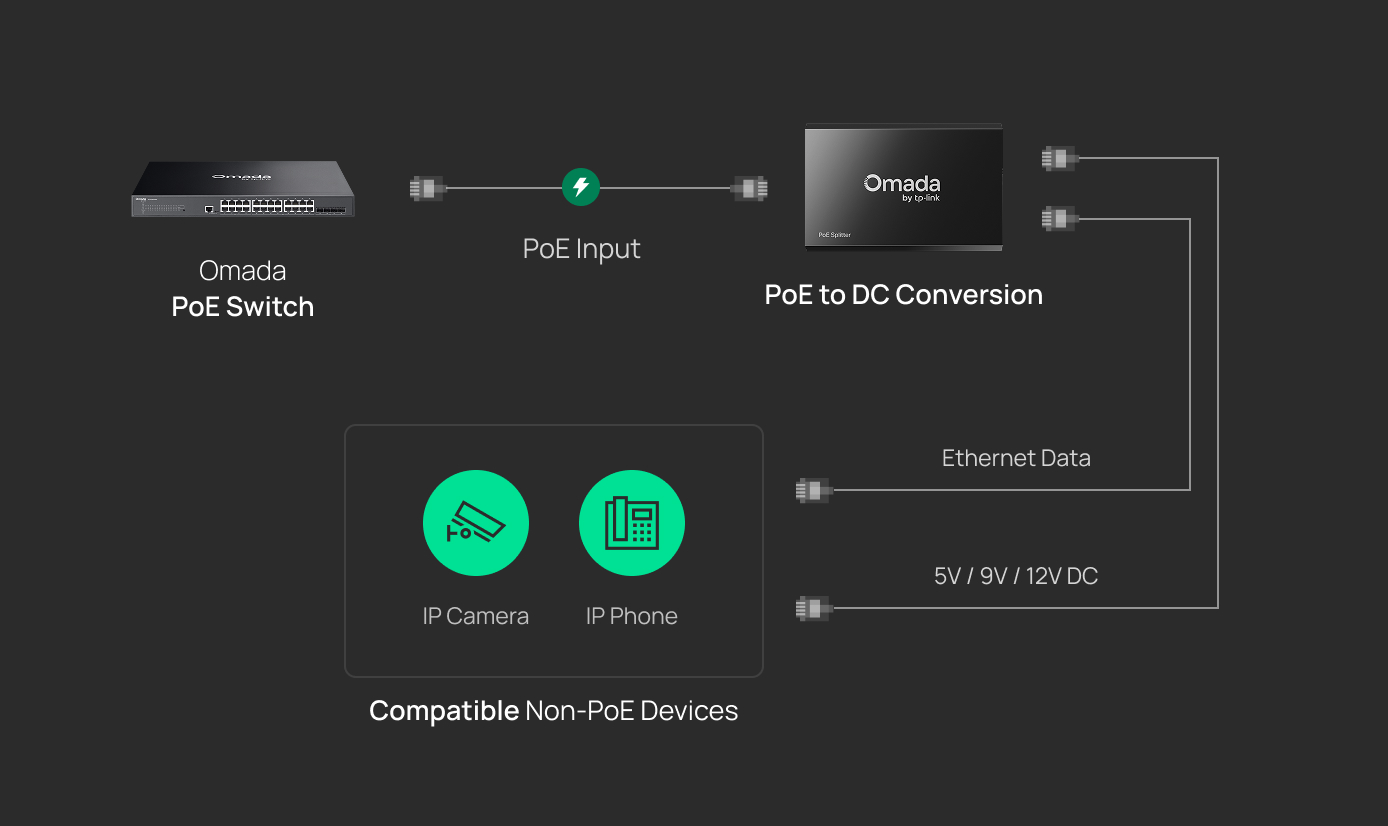
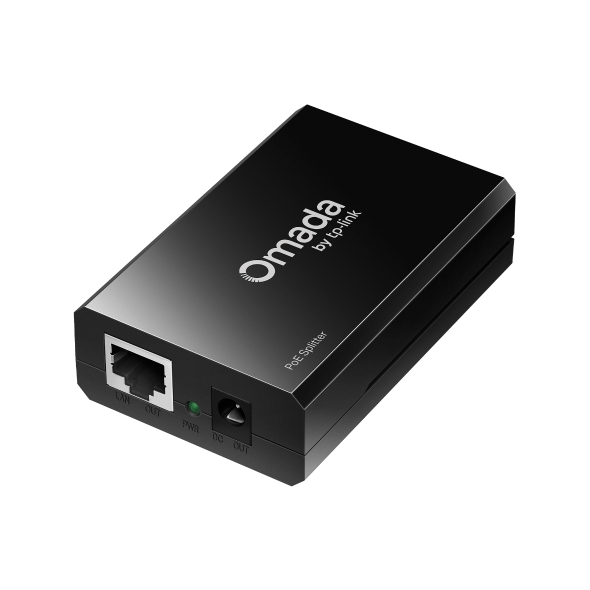
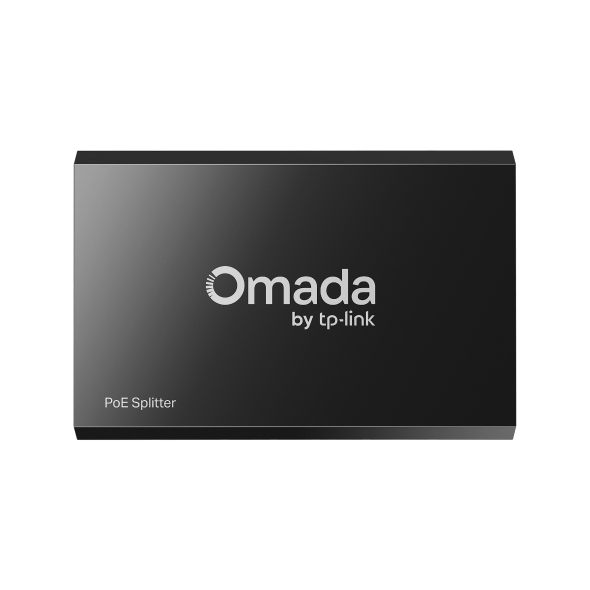
PoE splitters separate power from the Ethernet signal, delivering the correct voltage to devices that don't natively support PoE, expanding compatibility without replacing hardware.

Power wall-plate access points and VoIP phones throughout guest rooms and retail floors, simplifying installation where outlet access is limited.
FAQs
What is a passive PoE adapter?

A passive PoE adapter delivers power over Ethernet at a fixed voltage without automatic negotiation. Unlike standards-based PoE, it does not adjust power levels based on the connected device, so it must be used with compatible hardware that matches its voltage requirements. Warning: Always verify the voltage requirements of your device before connecting. Passive PoE does not negotiate power and can damage non-compatible equipment.
What is a PoE injector?
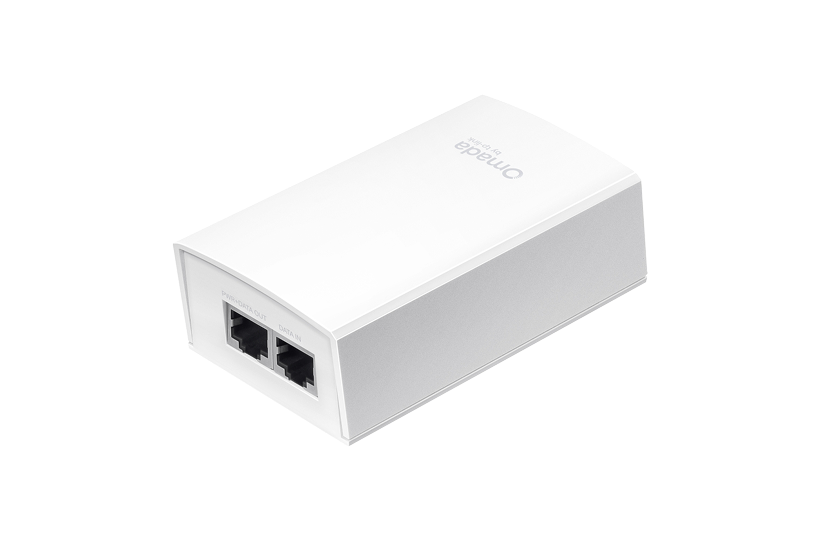
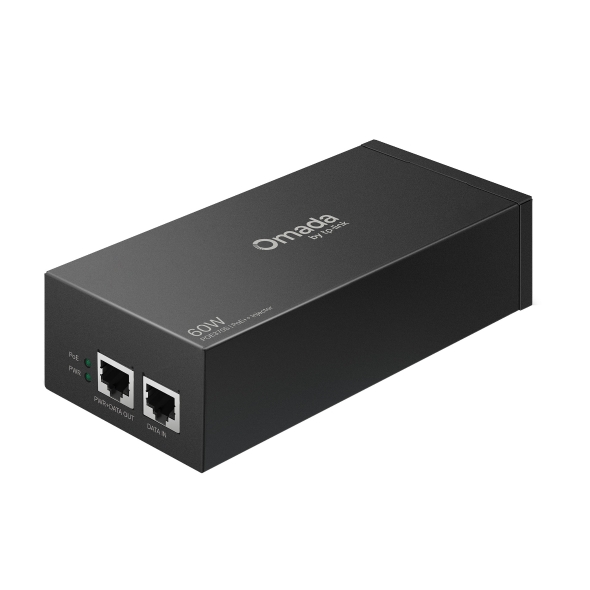
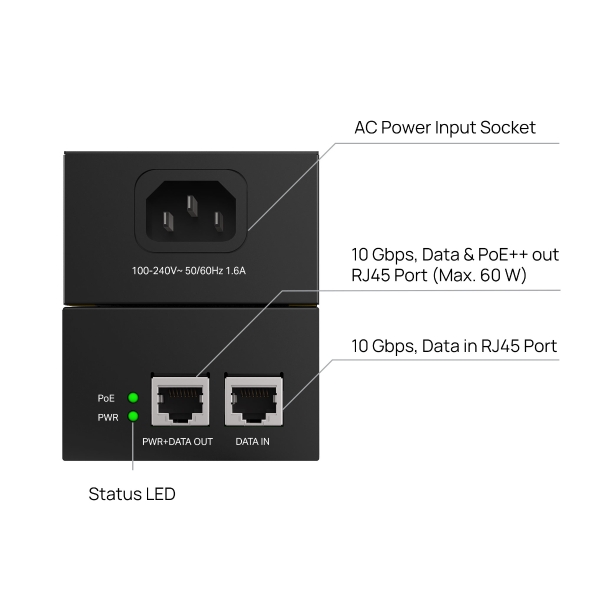
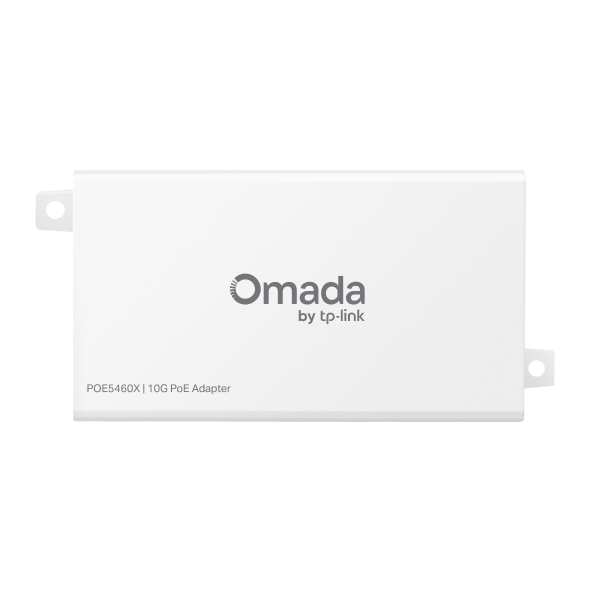
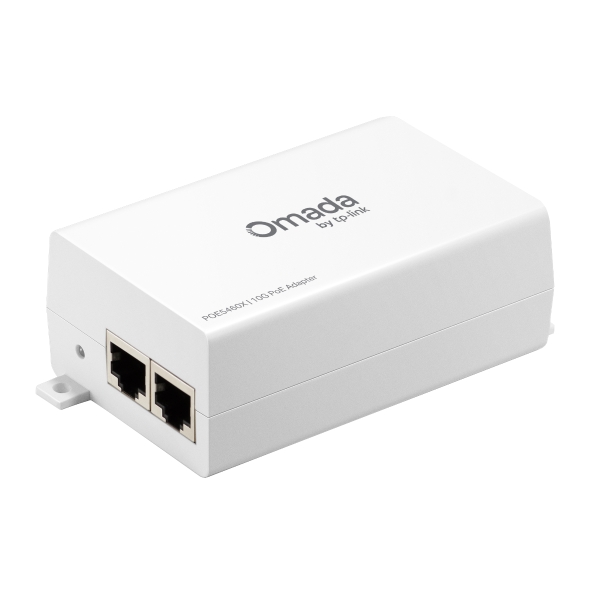
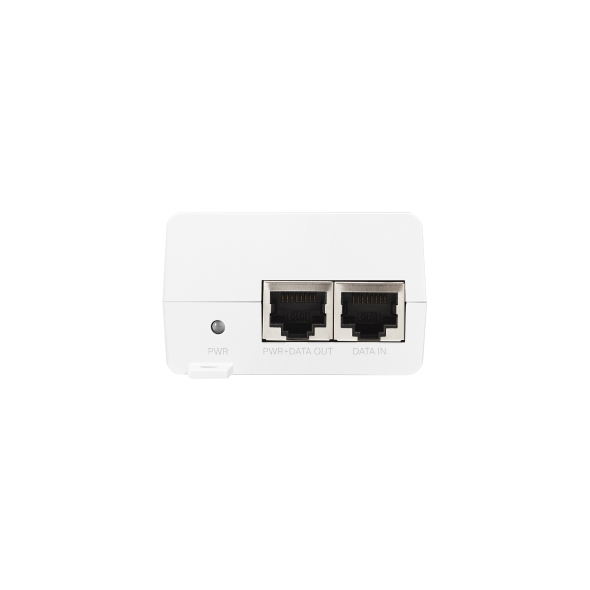
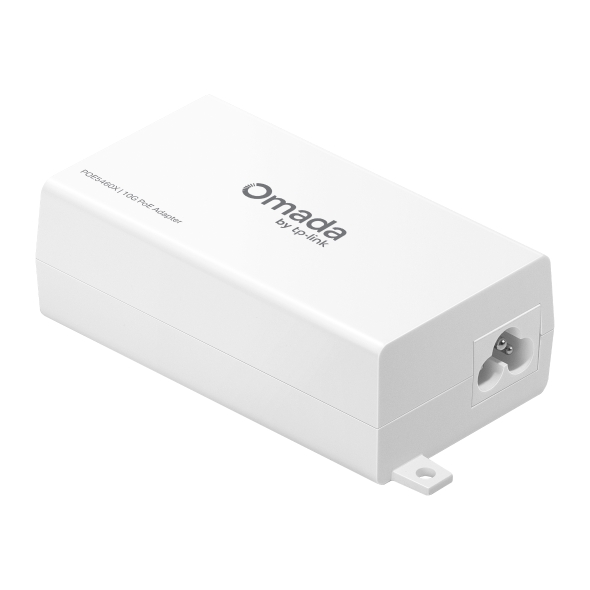
A PoE injector adds power to an existing Ethernet connection between a non-PoE network switch and a PoE-powered device. It takes a standard data connection on one port and outputs a combined data and power signal on the other, enabling PoE-powered devices without replacing the connected switch.
What is a PoE splitter?
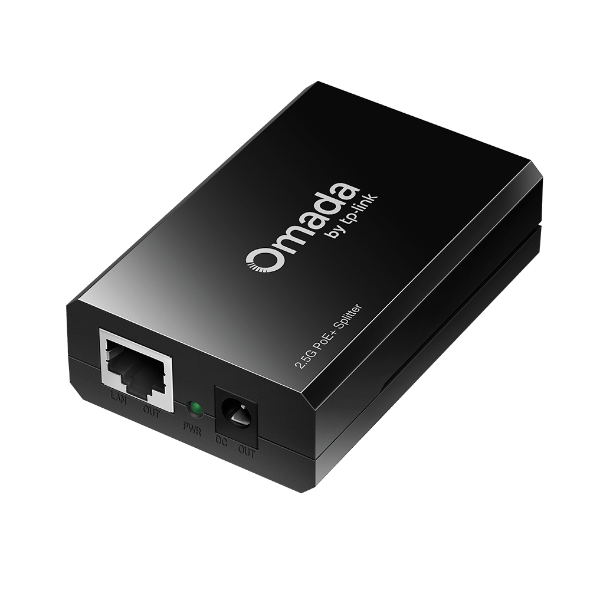
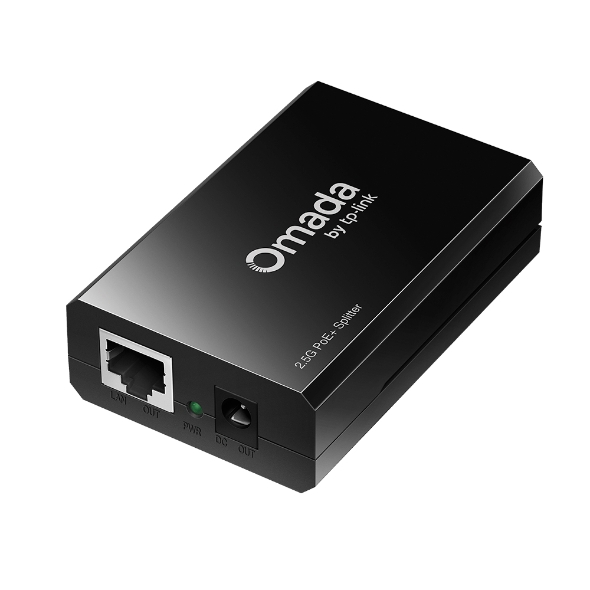
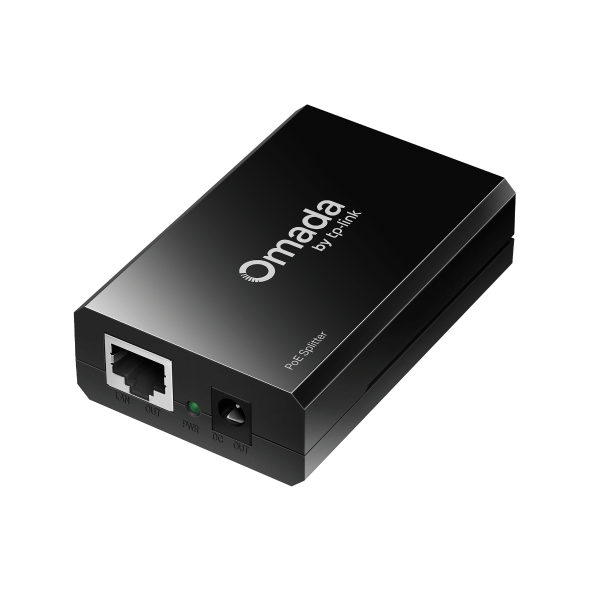
A PoE splitter takes a combined power and data signal from a PoE-enabled Ethernet cable and separates it into two outputs: data (Ethernet) and power (DC). This allows non-PoE devices, such as legacy equipment or routers, to be powered from a PoE network without requiring separate power adapters.
What is a PoE extender and how does it work?
A PoE extender receives a PoE signal and extends both the network connection and power delivery beyond the standard 100 m Ethernet distance limit. Omada extenders are available for both indoor and outdoor deployments, with select models weatherproof-rated for year-round outdoor installation.
What is a power supply module?
A power supply module provides dedicated electrical power to compatible networking equipment. These modules are commonly used as replacement power components or spares to help maintain reliable network operation and minimize downtime.
What is the difference between a PoE injector and a PoE switch?
A PoE injector adds power to a single Ethernet connection, making it suitable for powering one device from a non-PoE switch port. A PoE switch provides power across multiple ports simultaneously and manages all connected devices from a single unit. PoE switches are generally more efficient for deployments with several PoE-powered devices, while injectors offer a lower-cost solution when only one or two devices need PoE at a location.
When should I use a PoE injector instead of a PoE switch?
A PoE injector is the right choice when you have an existing non-PoE switch and need to add power to one or two devices, such as a single access point or camera, without replacing the switch. It's also well-suited to temporary deployments, remote locations, or situations where a full PoE switch exceeds what the installation requires.
What is the difference between PoE, PoE+, and PoE++?
PoE (IEEE 802.3af) supplies up to 15.4W per port, suitable for basic IP cameras and access points. PoE+ (IEEE 802.3at) delivers up to 30W, supporting higher-power devices like multi-radio access points and PTZ cameras. PoE++ (IEEE 802.3bt) provides up to 60W or 90W per port, covering the most demanding powered devices. Omada PoE++ injectors include models supplying up to 90W to match any deployment requirements.
Can PoE injectors and passive PoE adapters power devices like access points or IP cameras?
Yes, select Omada PoE injectors are compatible with IEEE 802.3af/at/bt-compliant devices, including Wi-Fi access points and IP cameras, and automatically detect and supply the appropriate power level for each connected device. Passive PoE adapters support devices with fixed voltage requirements that don't use active PoE negotiation. For equipment requiring dedicated power rather than PoE, compatible power supply modules are also available.