


SFP Modules, Cables, Transceivers, and Antenna Accessories for Business Networks
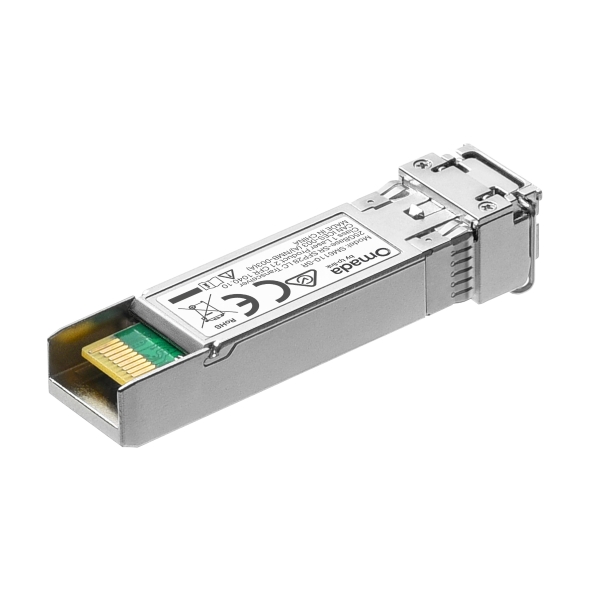
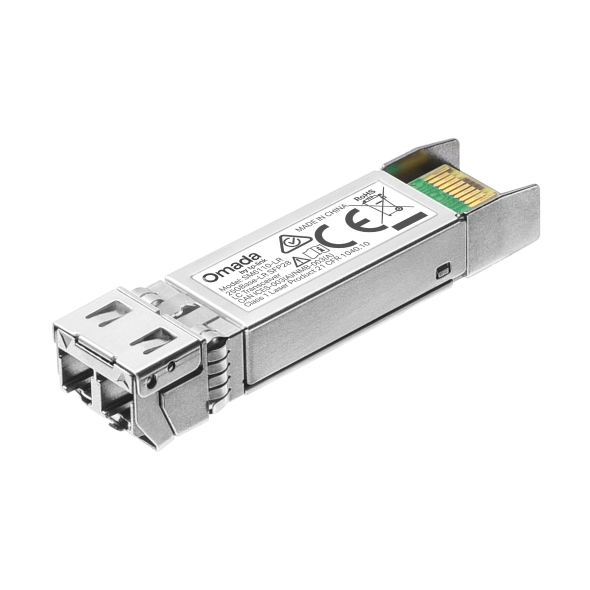
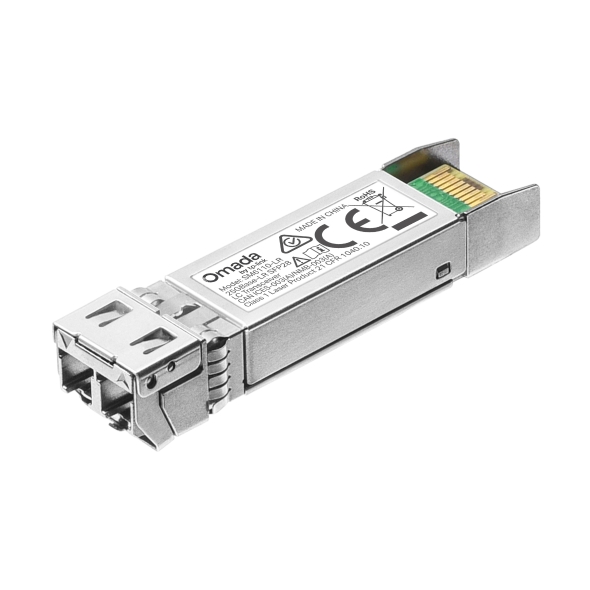
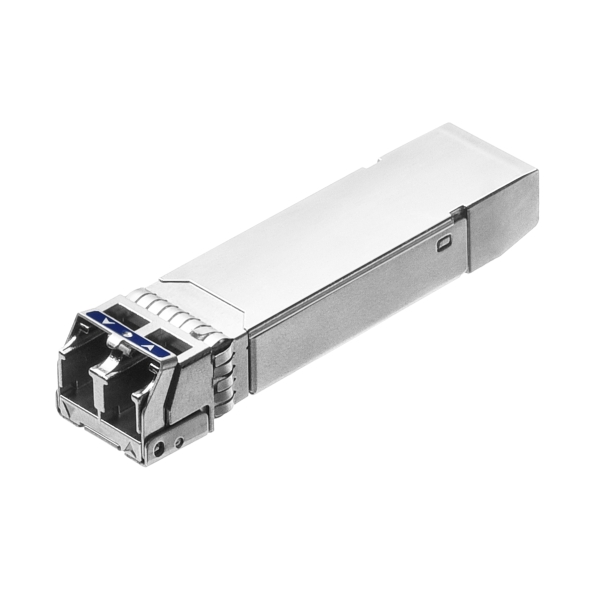
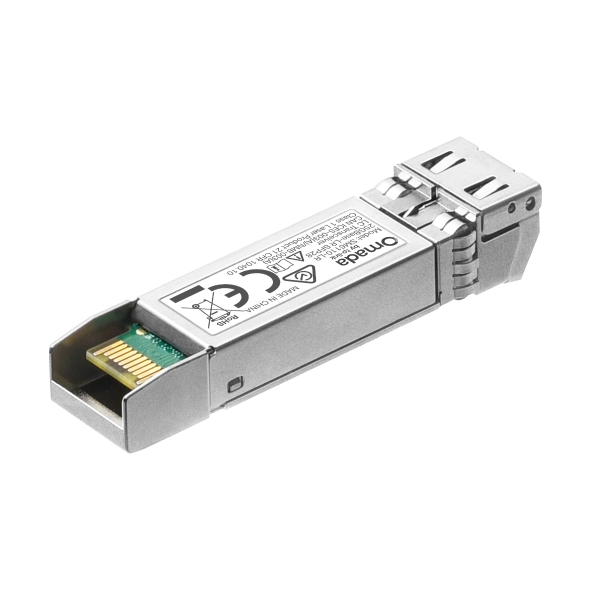
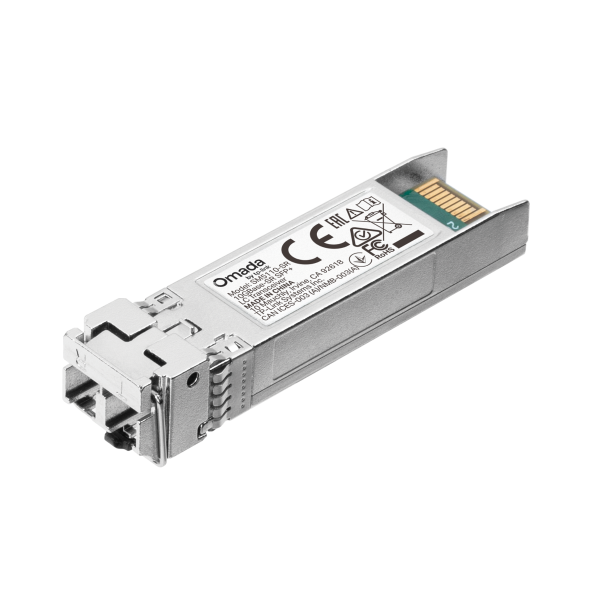
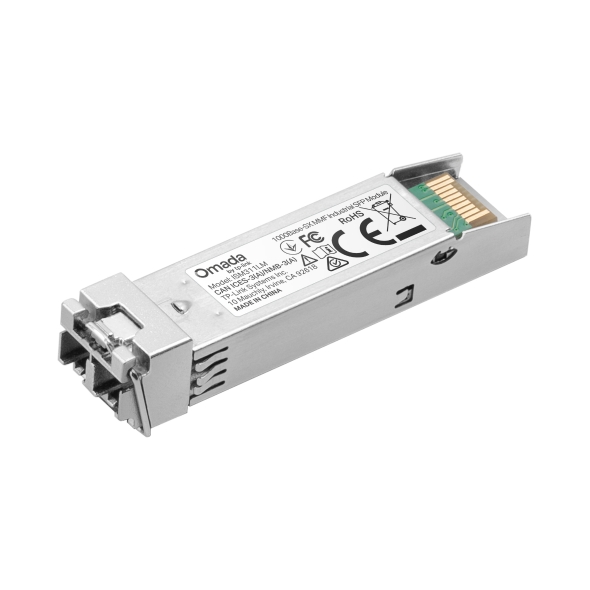
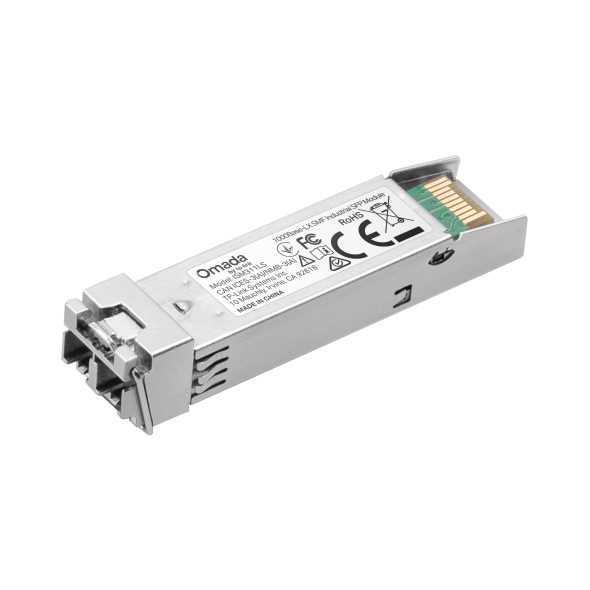
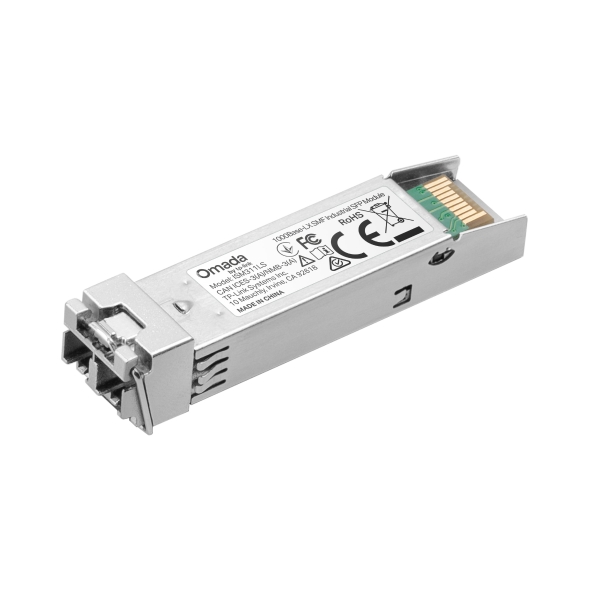
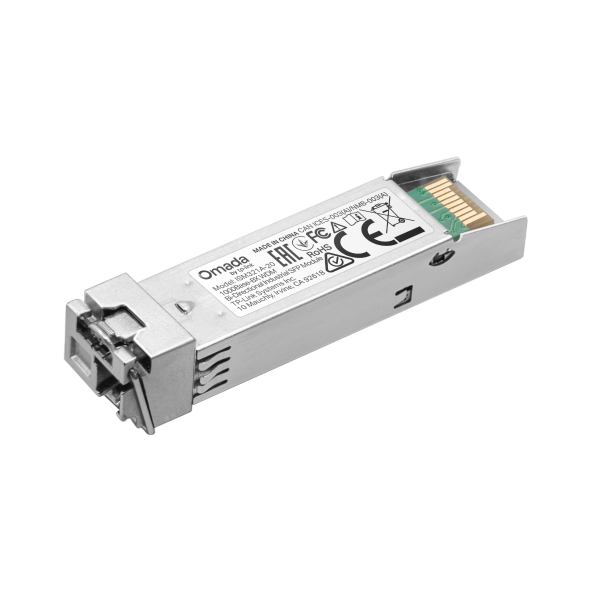
Omada SFP modules, network transceivers, direct attach cables, industrial modules, and antenna accessories help extend and support network connectivity across a wide range of deployments. Whether you're connecting buildings across a campus, adding high-speed uplinks between rack equipment, or optimizing wireless connections, Omada accessories give you the flexibility to build the infrastructure your deployment requires.






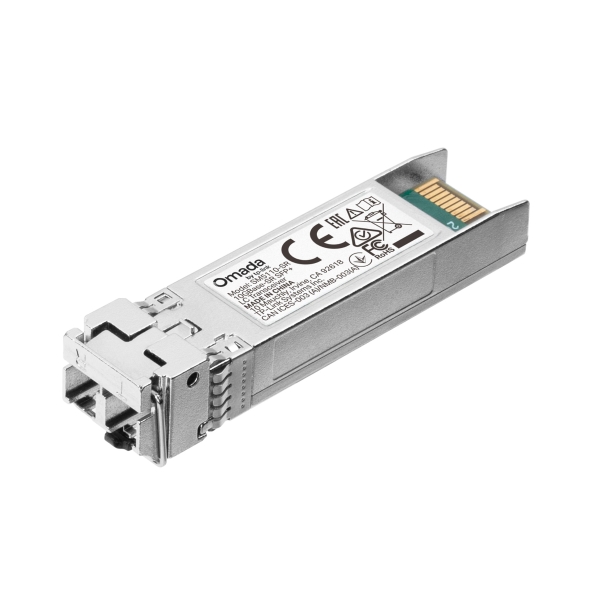
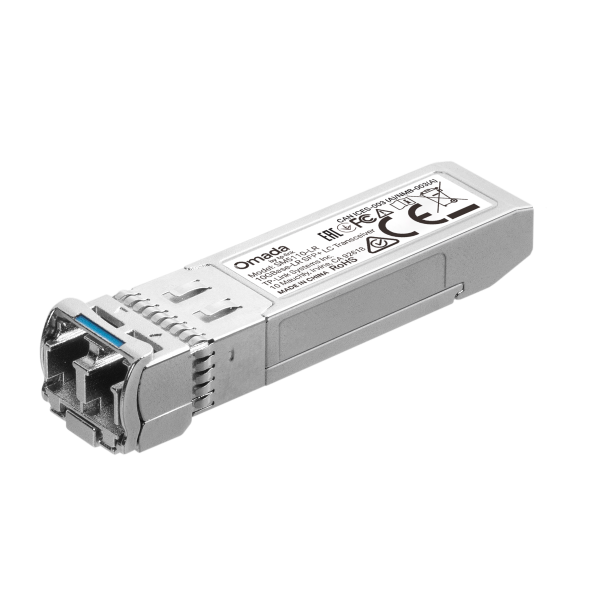
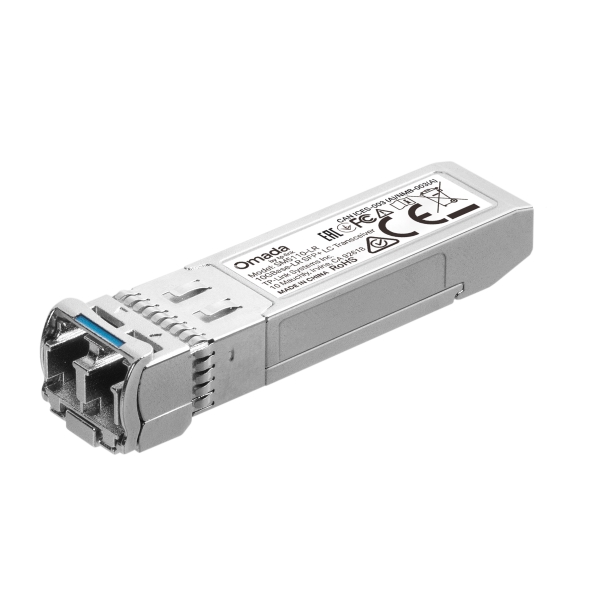
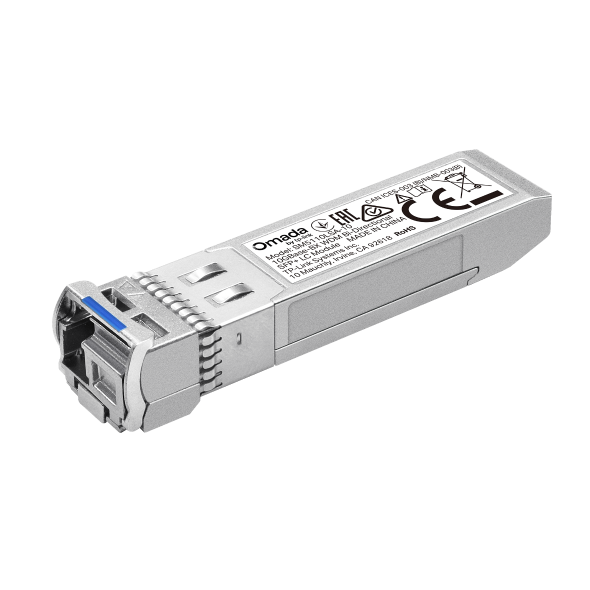




_UN_1.0_F_normal_20250506074638l.png)
_UN_1.0_F_normal_20250506074844c.jpg)
Business Benefits

Flexible Speed Options
Transceivers spanning 1G, 10G, 25G, and 100G match uplink capacity to actual throughput requirements, avoiding over-provisioning or bottlenecks as traffic demands grow.

Single-Fiber Efficiency
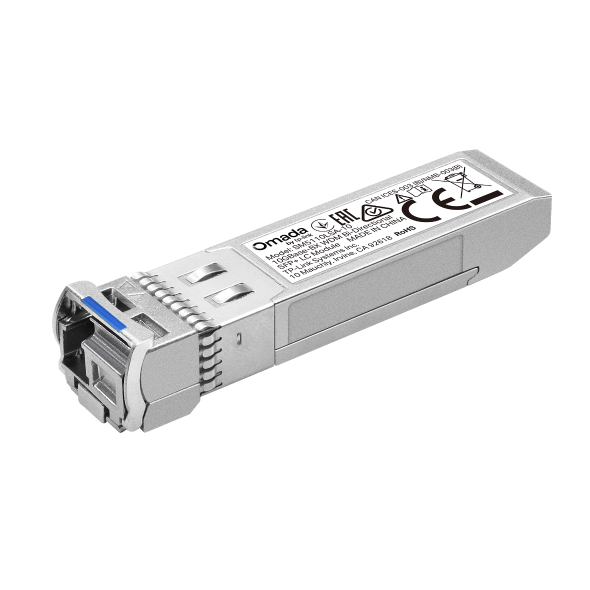
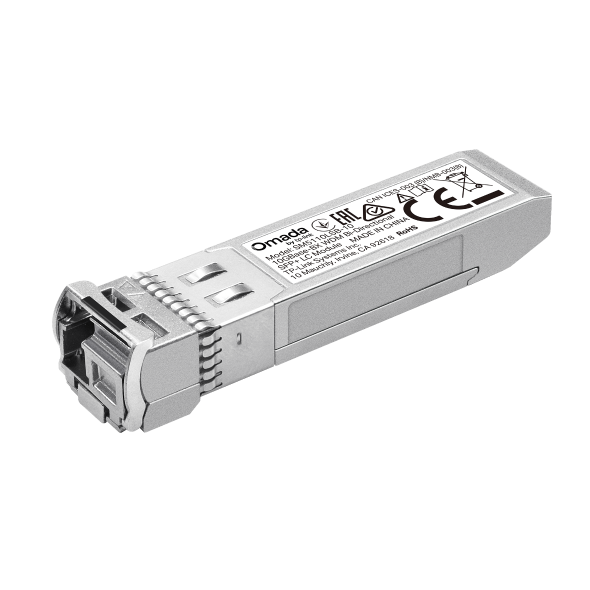
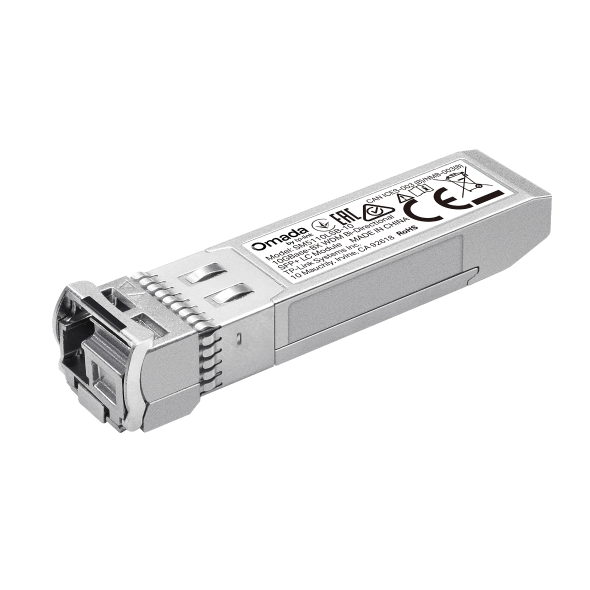
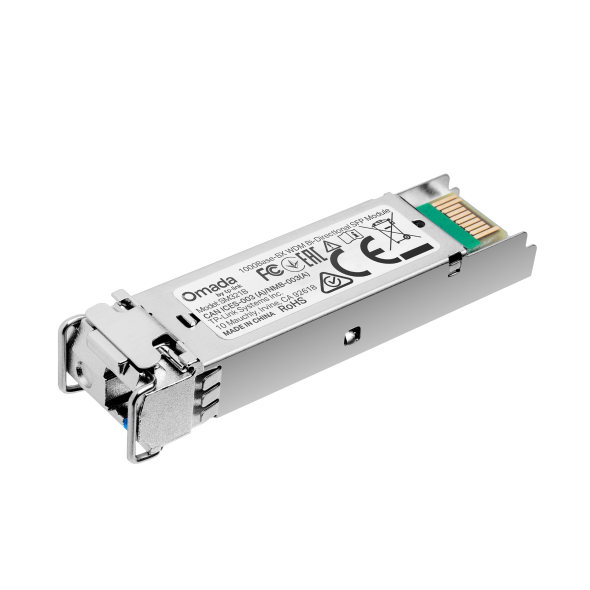
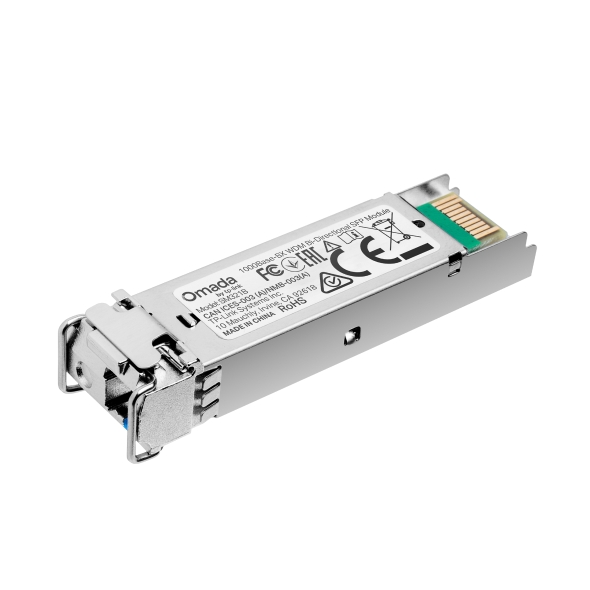
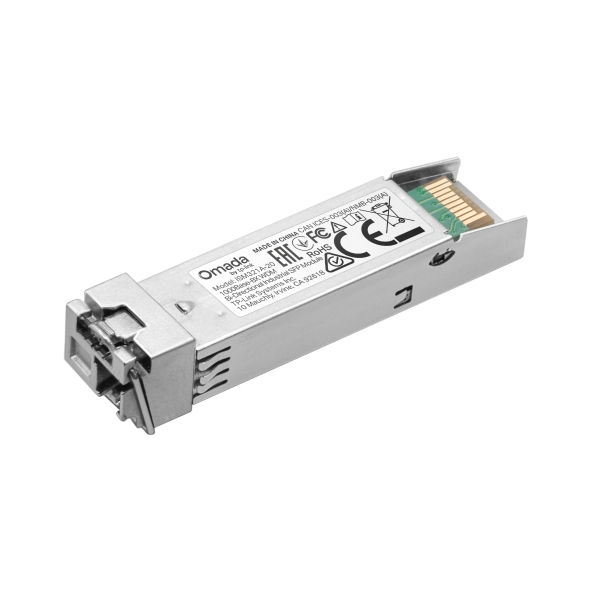
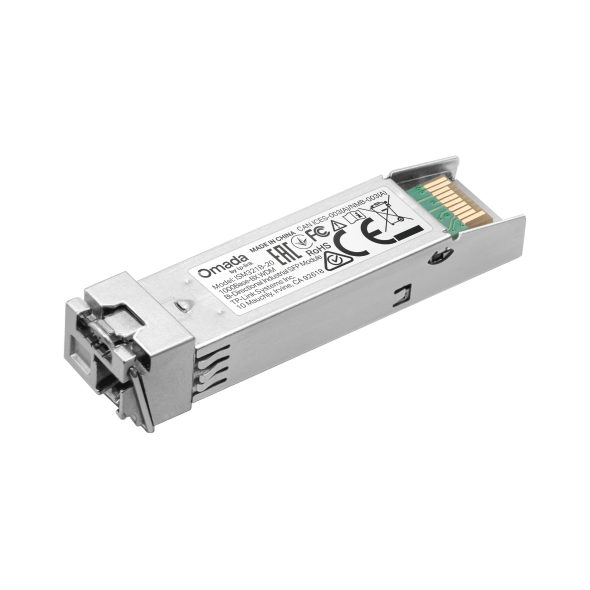
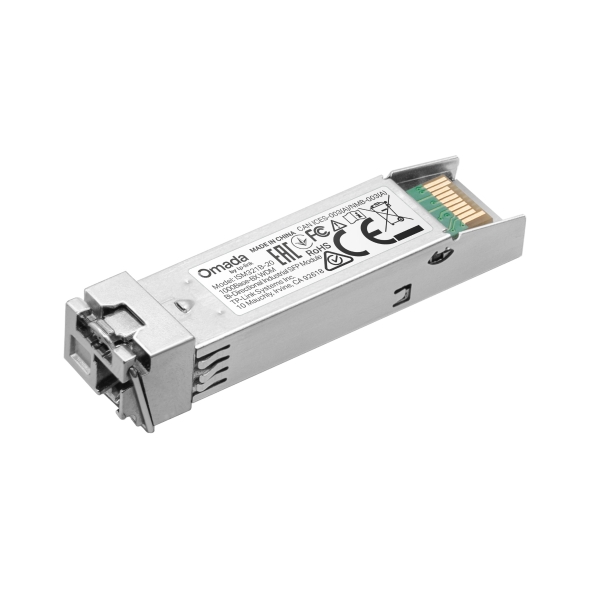
WDM bi-directional modules transmit and receive over a single fiber strand, reducing cabling costs and infrastructure requirements where fiber runs are limited.

Long-Distance Fiber Connectivity
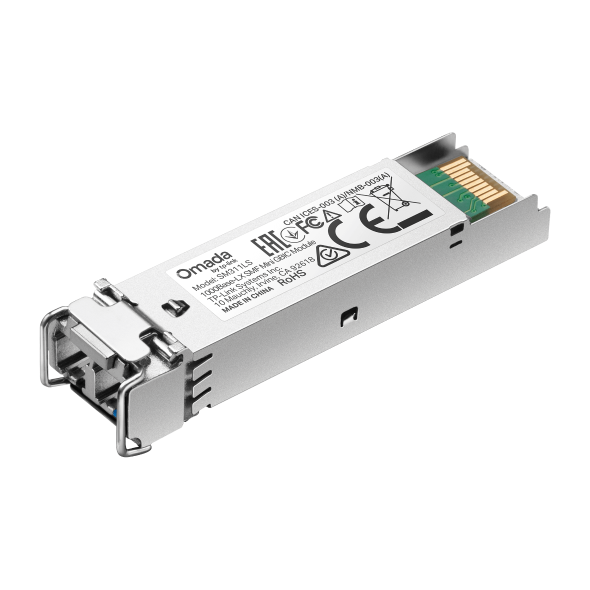
Single-mode transceivers support longer distance transmission, enabling inter-building links across large campuses or between facilities.

Copper Flexibility
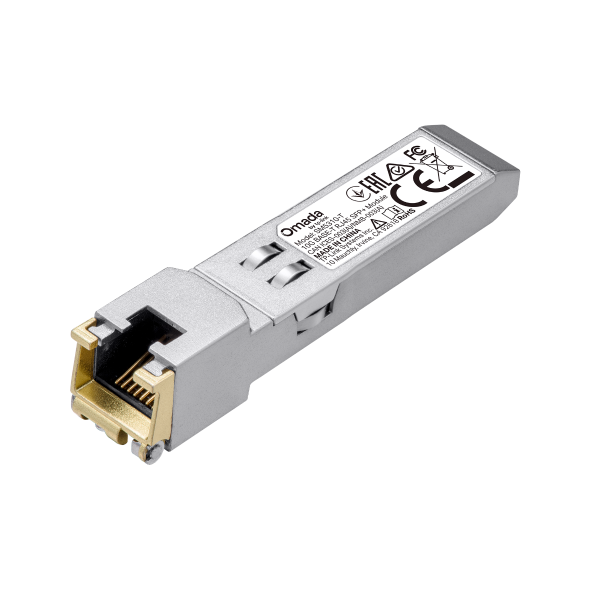
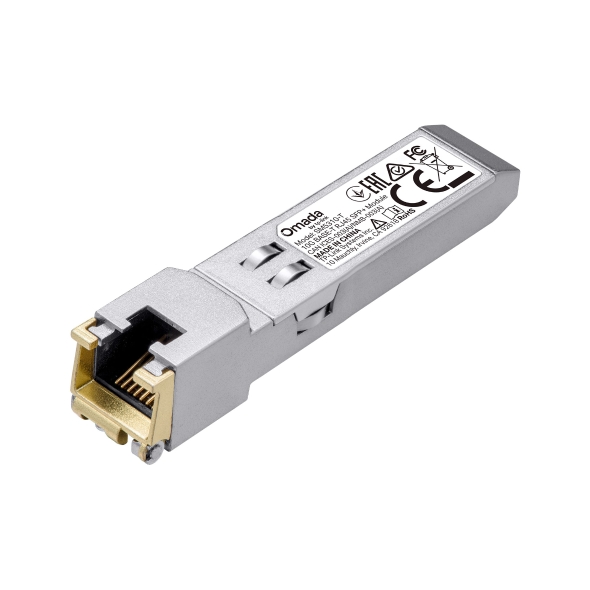
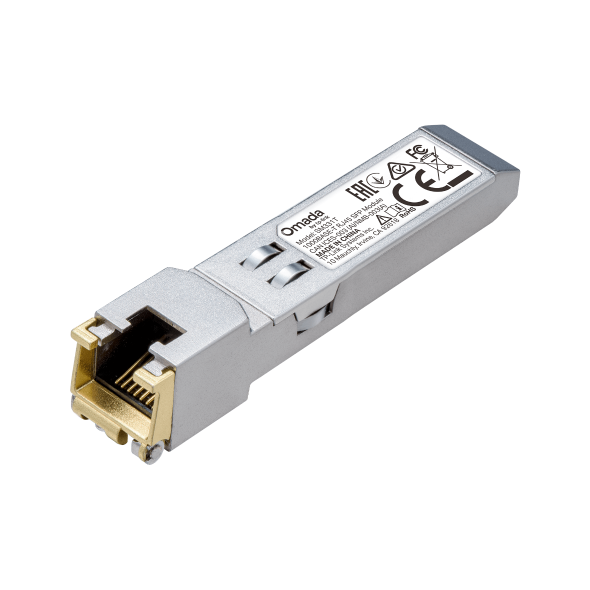
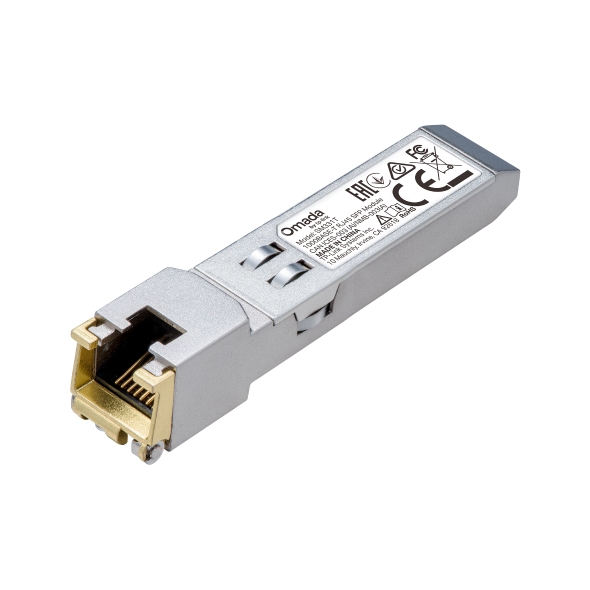
RJ45 SFP+ modules support multiple speeds over standard Cat 6a or better cabling, adding high-speed copper uplinks to switches with SFP+ ports without requiring fiber infrastructure.

Low-Latency Short-Run Connections
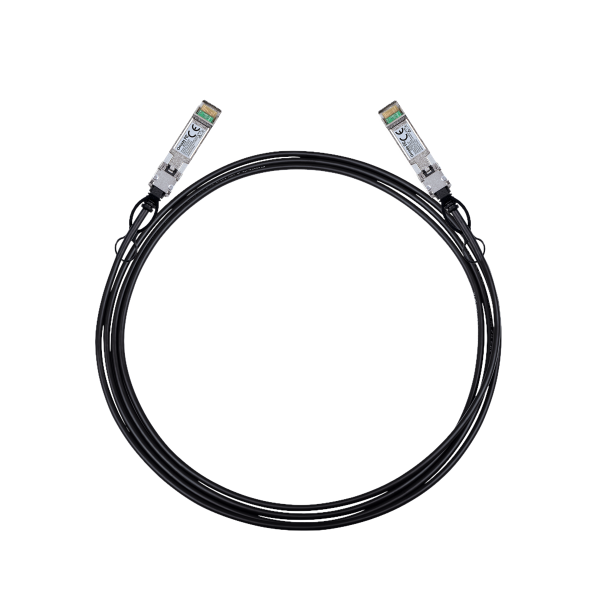
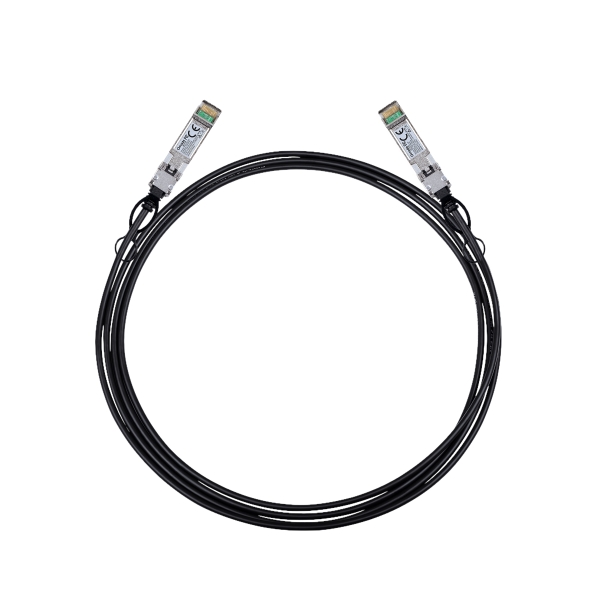
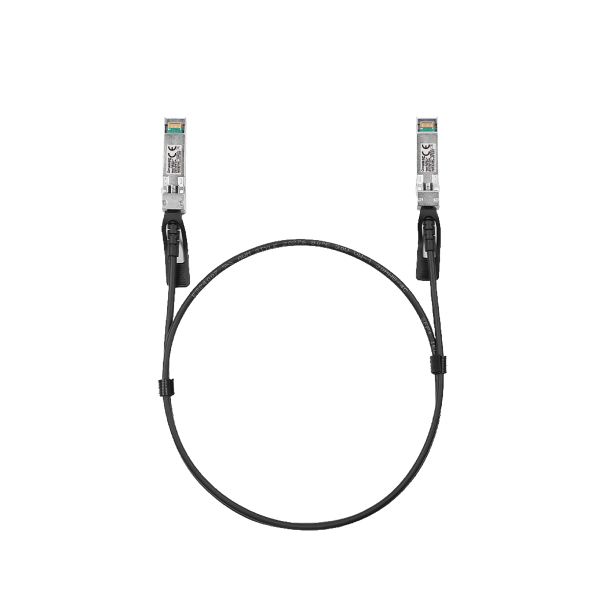
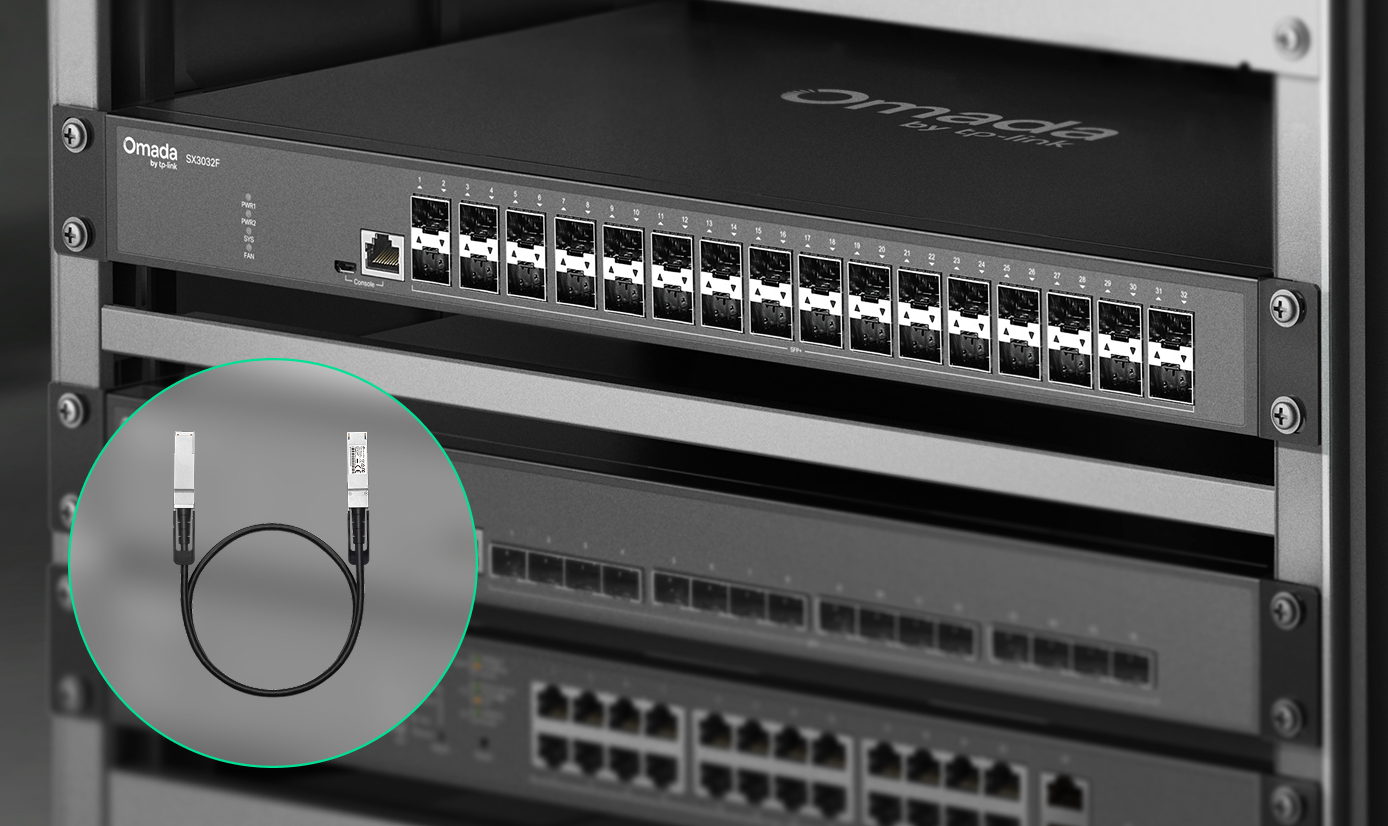
Direct attach cables (DAC) provide 10G, 25G, and 100G connectivity between adjacent rack equipment, with no additional power draw from optical components.

Real-Time Diagnostics
Digital Diagnostic Monitoring (DDM) support across select modules lets administrators check optical power levels, temperature, and voltage without physical inspection.

Industrial-Grade Options
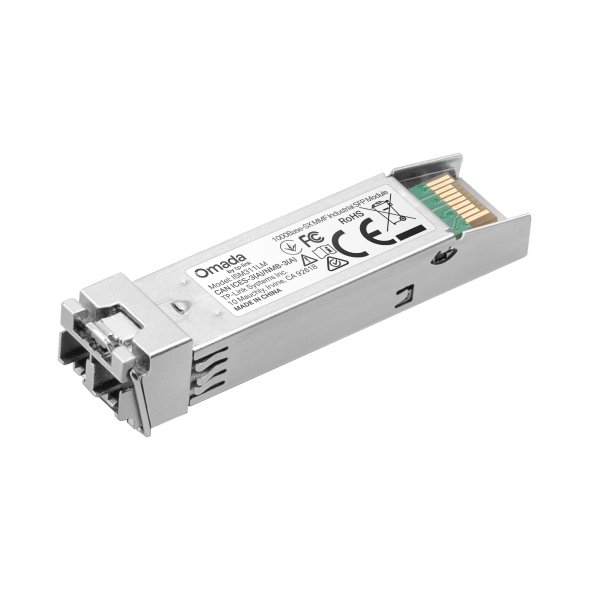
Industrial SFP modules rated for -40°F to 185°F operating temperatures support deployments in manufacturing floors, outdoor enclosures, and other environments where commercial-grade hardware is insufficient.

Flexible Antenna Deployment
Antenna accessories help optimize wireless coverage and signal performance in specialized environments, supporting reliable connectivity.

Solving Connectivity Challenges
Omada modules, cables, transceivers, and antenna accessories help extend and optimize network infrastructure across buildings, between racks, and in demanding industrial or wireless deployment environments.

Single-mode fiber transceivers connect buildings across a campus or business park where running copper is cost-prohibitive, with single-mode modules supporting distances up to 20 km.

DAC cables connect switches and other rack equipment over short runs without fiber optic components, reducing cost and complexity for top-of-rack or end-of-row deployments.

25G and 100G transceivers provide the uplink capacity aggregation switches need when consolidating traffic from multiple access-layer switches in larger office or warehouse environments.
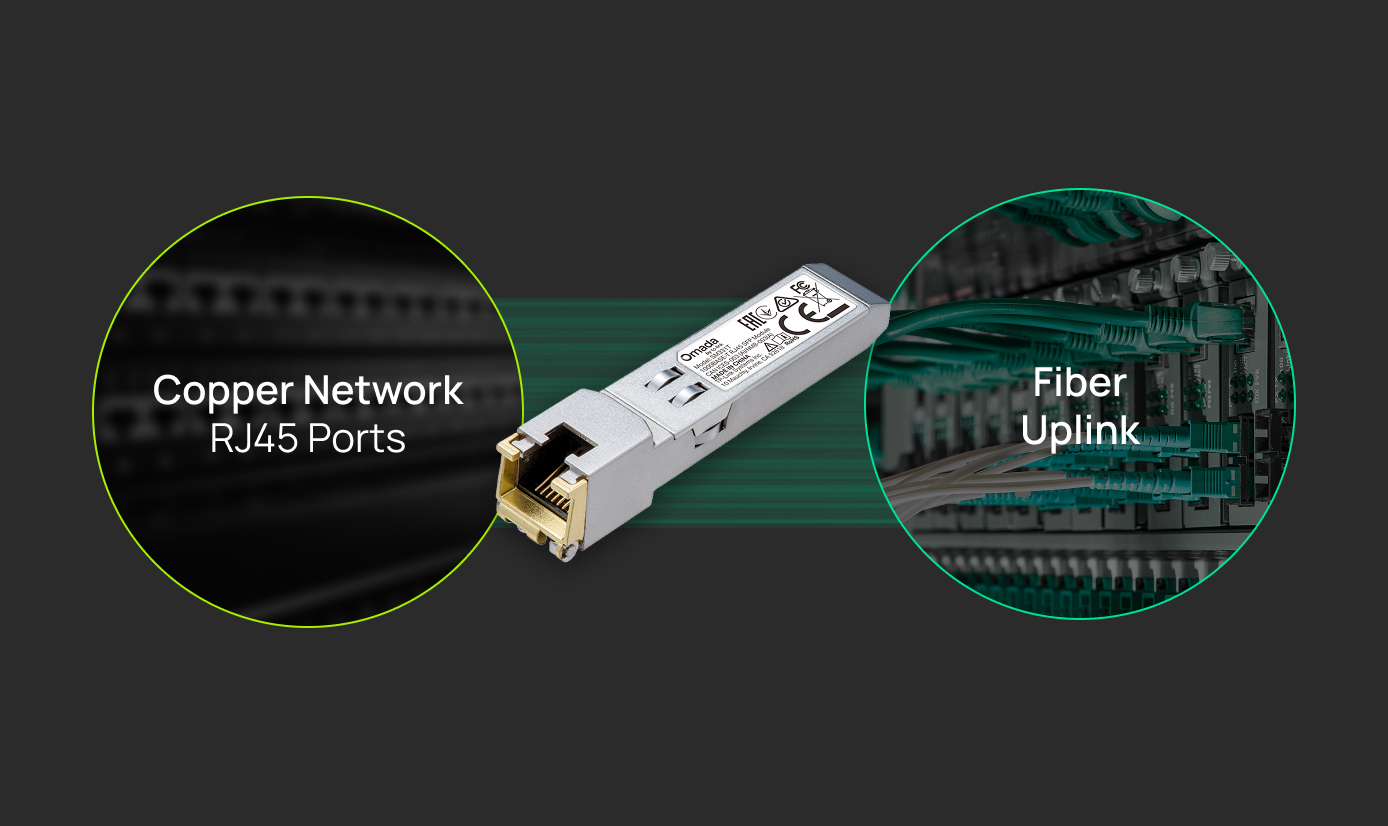
RJ45 SFP+ modules bring high-speed connectivity to deployments where fiber isn't available, using existing structured cabling to upgrade uplink speeds without rewiring.

Industrial SFP modules with extended operating temperature ranges support switching infrastructure in manufacturing, utilities, and outdoor enclosures where temperature fluctuations exceed commercial tolerances.
Antenna accessories help improve signal coverage and deployment flexibility for wireless networking applications, particularly in environments where antenna placement can affect overall performance.

WDM bi-directional modules halve fiber strand requirements on existing runs, reducing costs in buildings where conduit capacity is limited or adding fiber is expensive.
FAQs
What are SFP modules?

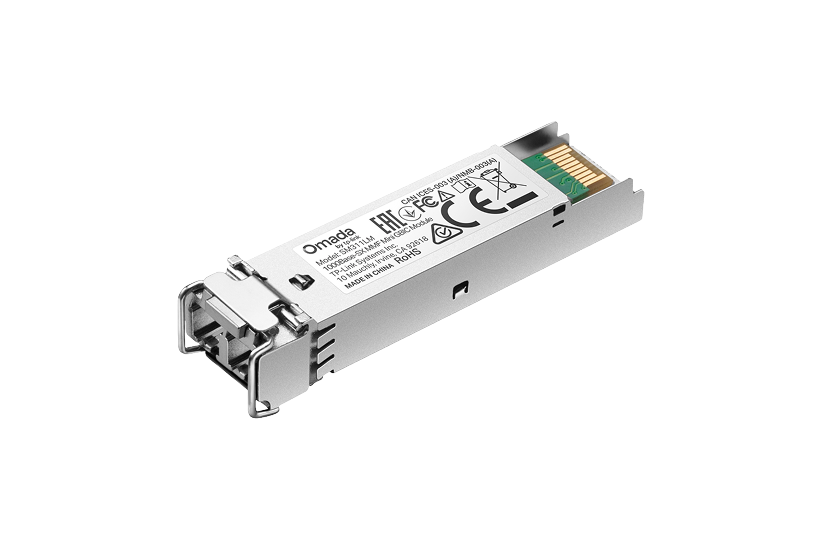
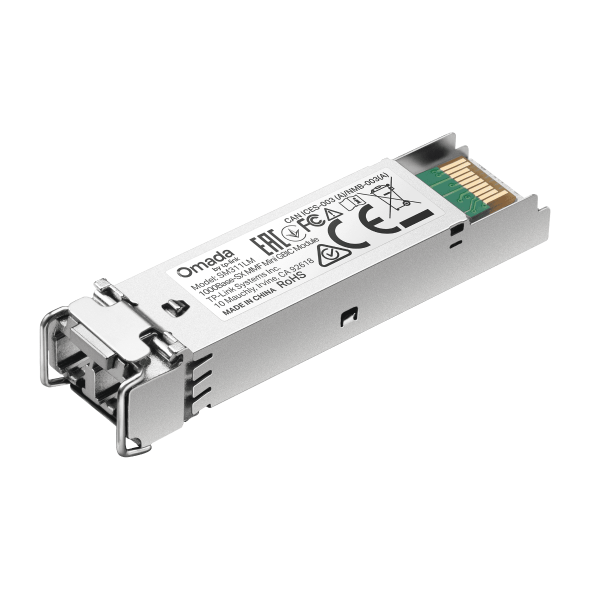
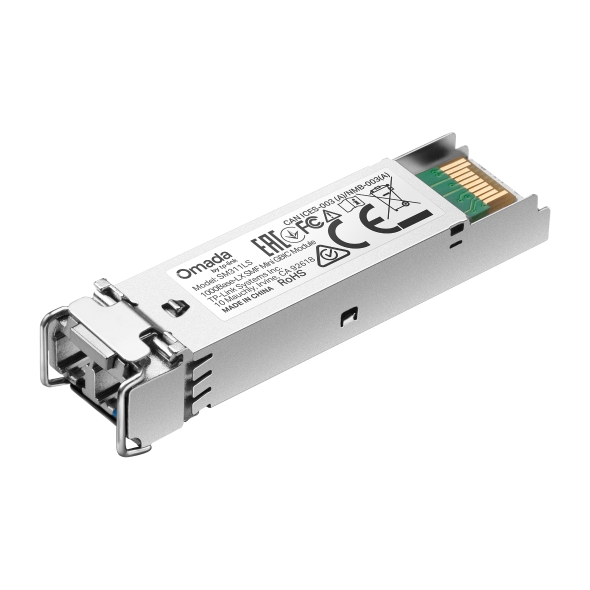
SFP (Small Form-factor Pluggable) modules are hot-swappable transceivers that fit into SFP ports on switches, gateways, and other network equipment. They convert electrical signals to optical or copper signals, enabling fiber or extended copper connectivity beyond what standard RJ45 ports support. Different SFP types support different speeds, fiber types, and distances.
What are network transceivers?
Network transceivers are devices that both transmit and receive data signals, converting between the electrical signals inside network equipment and the optical or copper signals carried over cables. SFP modules are a common transceiver form factor.
What is the difference between SFP, SFP+, SFP28, and QSFP28?
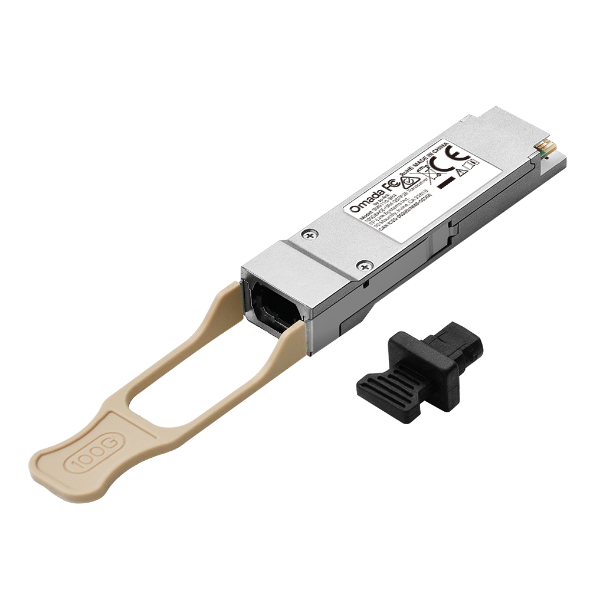
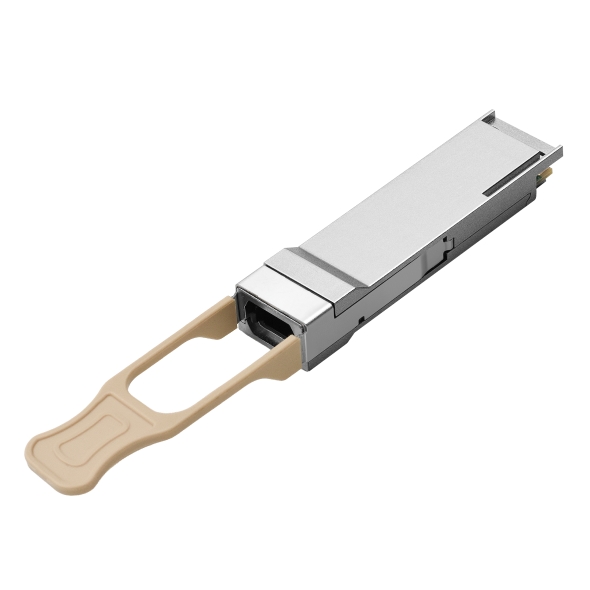
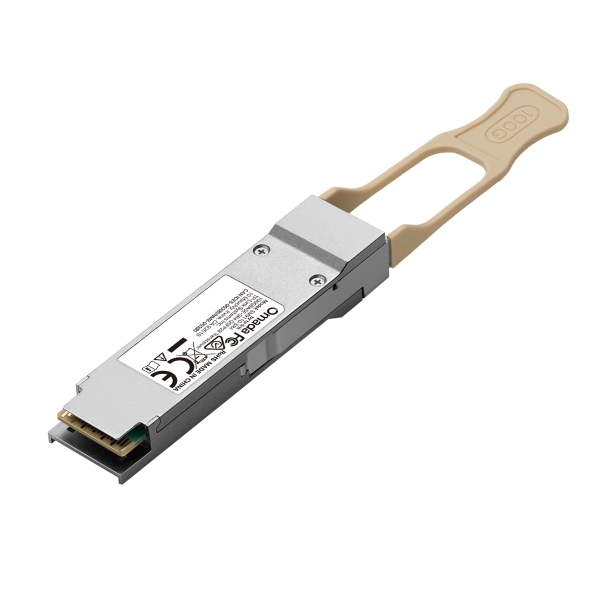
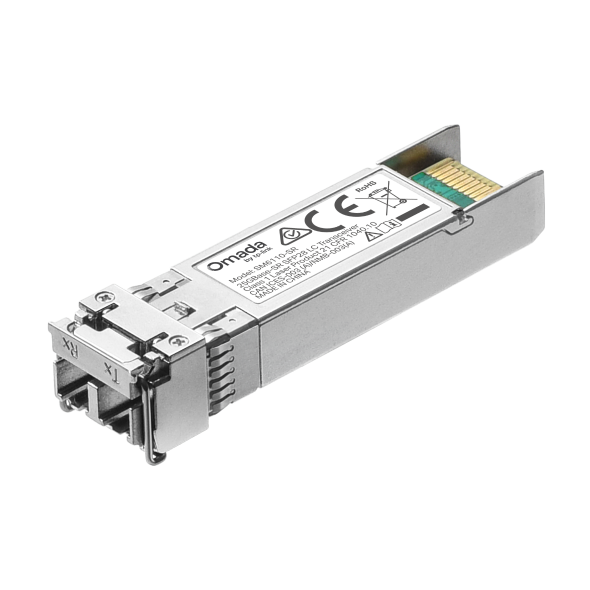
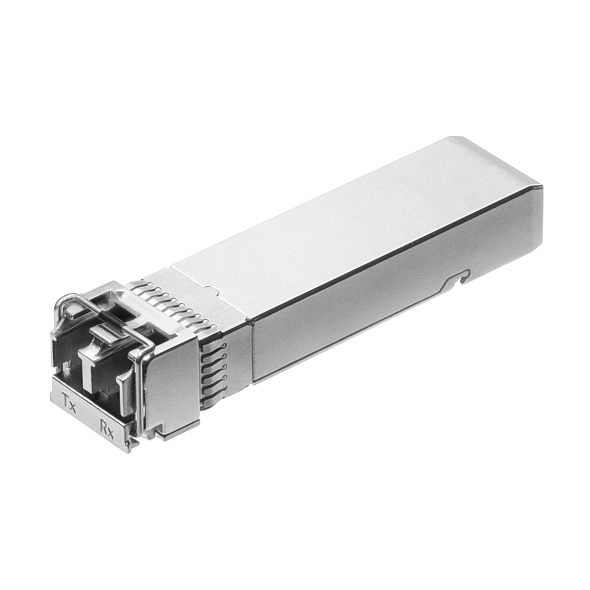
These designations refer to form factor and speed. SFP modules typically support up to 1G. SFP+ supports up to 10G and fits the same physical footprint. SFP28 supports up to 25G. QSFP28 is a larger form factor supporting up to 100G, often used for high-throughput core uplinks. Compatibility depends on the port type available on your switch or gateway.
What are SFP cables (DAC cables) and when should I use them?
Direct Attach Cables (DAC) are fixed-length copper twinax cables with SFP+, SFP28, or QSFP28 connectors pre-installed on each end. They're best suited for short connections between adjacent rack equipment, such as switches and servers, where low cost and zero optical power draw outweigh the distance limitation.
How do I choose between fiber transceivers and DAC cables?
Use DAC cables for short rack-to-rack connections where cost and simplicity are priorities. Use fiber transceivers when you need to reach beyond a few meters, connect across rooms or buildings, or where existing fiber infrastructure is already in place. Single-mode transceivers cover longer distances, while multi-mode transceivers are suited for shorter runs within buildings.
What are antenna accessories used for?
Antenna accessories support the installation and optimization of wireless networking equipment by helping improve antenna placement, signal coverage, and deployment flexibility in indoor environments.
Are SFP modules compatible with all switches and routers?
Omada SFP modules are compatible with Omada switches and gateways that have matching SFP, SFP+, SFP28, or QSFP28 ports. Compatibility varies depending on port type and speed. Always verify against your specific device's specifications before selecting a transceiver.
What distances can SFP modules support?
Distance depends on the module type and fiber used. Multi-mode fiber transceivers are suited for shorter intra-building runs, while single-mode transceivers support distances up to 20 km over single-mode fiber. DAC cables are designed for short rack-to-rack connections. Check individual module specifications for exact distance ratings.