How Reliable Networks Support Modern K–12 Learning

Today’s classrooms are powered by technology. Students access digital assignments through learning management systems, complete online assessments, collaborate through cloud-based applications, and connect using school-issued and personal devices. In fact, 94% of U.S. public schools now provide at least one laptop or tablet per student, and approximately 80% of K–12 students regularly use computers or tablets during school activities.
While these tools create new learning opportunities, they also place unprecedented demands on school networks. School district IT teams are expected to deliver fast, secure, and reliable connectivity across entire campuses while managing growing device counts, increasing cybersecurity threats, and limited resources.
Reliable network infrastructure is no longer simply an IT requirement, it's a critical component of student success, teacher effectiveness, and the future of digital learning.
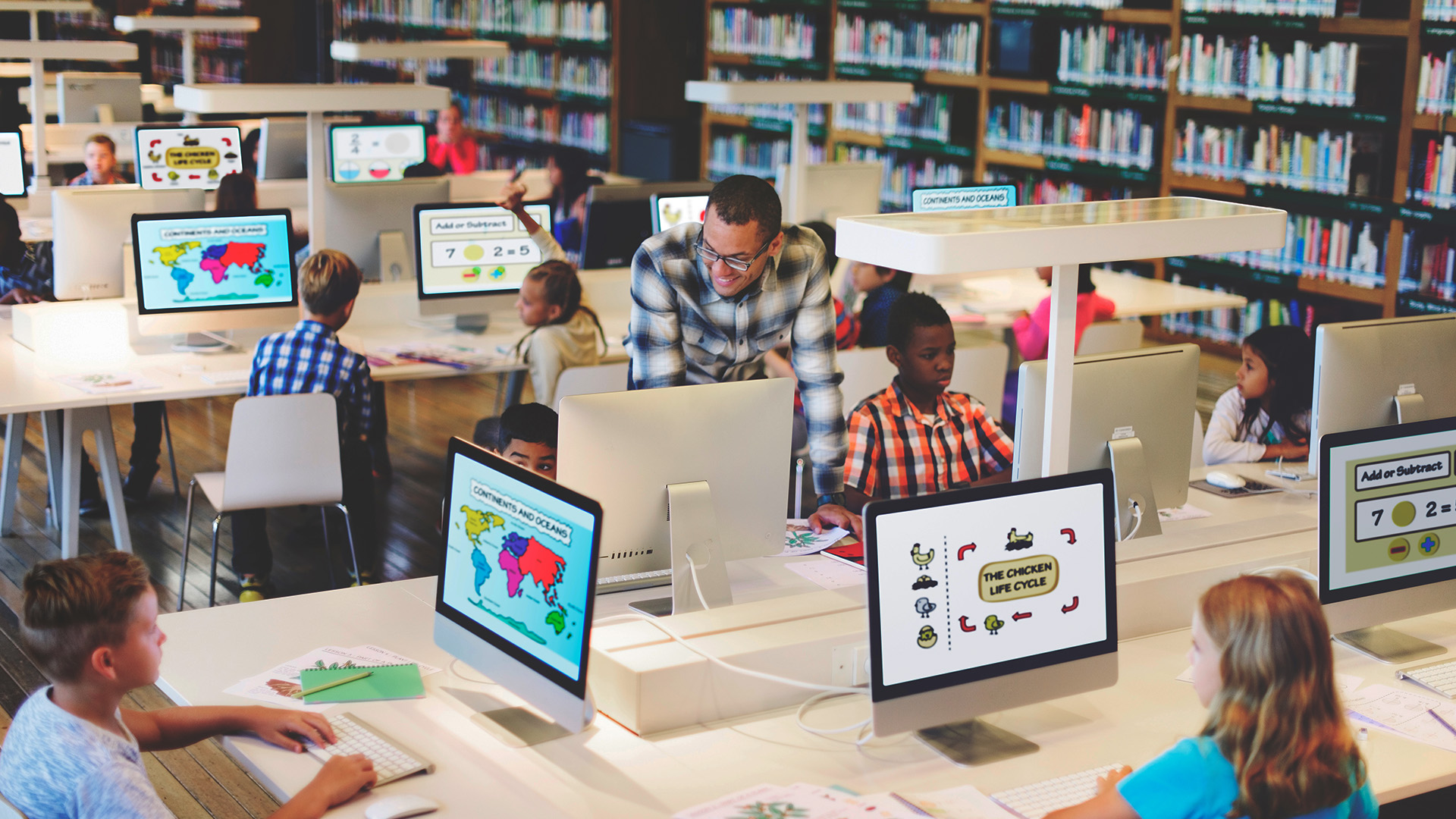 Today’s classrooms rely heavily on bandwidth-intensive applications such as video streaming, virtual collaboration tools, and cloud-based platforms.
K-12 Networks Face More Demand Than Ever Before
The role of technology in K–12 education has expanded dramatically over the past decade. What was once limited to computer labs and occasional online activities is now woven into nearly every aspect of the learning experience.
Students today use the internet to:
- access assignments through learning management systems
- collaborate through cloud-based applications
- participate in video-based instruction
- and complete assessments online
Emerging technologies such as AI-powered learning tools are expected to place even greater demands on school infrastructure in the years ahead.
These changes have transformed network connectivity from a supporting service into a critical educational resource. Schools that rely on aging infrastructure may find it increasingly difficult to keep pace with growing bandwidth requirements, performance expectations, and the need for always-on access to digital learning tools.
 By investing in scalable, centralized, and cost-effective network infrastructure, schools can build a reliable foundation for modern learning and ensure that students and educators have the connectivity they need to succeed.
Network Reliability Has a Direct Impact on Student Outcomes
When school networks fail, instruction suffers.
A dropped connection during a science demonstration, a slow-loading lesson plan, or an interrupted online assessment can quickly derail classroom instruction. Even short periods of downtime can result in lost instructional time, frustrated educators, and disengaged students.
Reliable connectivity is especially important for online assessments. According to recent education technology research, 82% of schools now utilize online testing and assessment platforms. During testing windows, connectivity problems can lead to delayed submissions, interrupted exams, scheduling disruptions, and increased administrative burden.
For teachers, reliable networks mean lessons can proceed as planned. For students, they mean uninterrupted access to learning resources and digital tools. The result is a more productive and effective learning environment for everyone involved.

According to latest data, up to 84% of US public schools have 1:1 device policies, creating high-density environments that can put a strain on networks
High Density Wi-Fi Is Essential for Modern Schools
Meeting today’s connectivity demands requires more than campus-wide wireless coverage. Schools need Wi‑Fi networks engineered to support large numbers of simultaneous users and devices without sacrificing performance.
A modern classroom may contain dozens of laptops, tablets, smartphones, and IoT-connected devices. Libraries, cafeterias, gymnasiums, and auditoriums can host hundreds of concurrent wireless connections. Supporting these environments requires more than basic wireless coverage, it requires capacity.
Poorly designed Wi-Fi networks often experience congestion during peak usage periods, resulting in:
- slower performance
- dropped sessions
- and frustrated users
Modern Wi-Fi solutions for schools are designed to address these challenges through high-capacity access points, intelligent traffic management, and seamless roaming capabilities. Students and staff should be able to move freely between classrooms and buildings without losing connectivity or disrupting learning activities.
Scalability is equally important at the district level. Networks must support thousands of devices across multiple campuses while maintaining consistent performance, visibility, and centralized control.
Investing in scalable wireless infrastructure allows schools to support current demands while preparing for future technology initiatives.
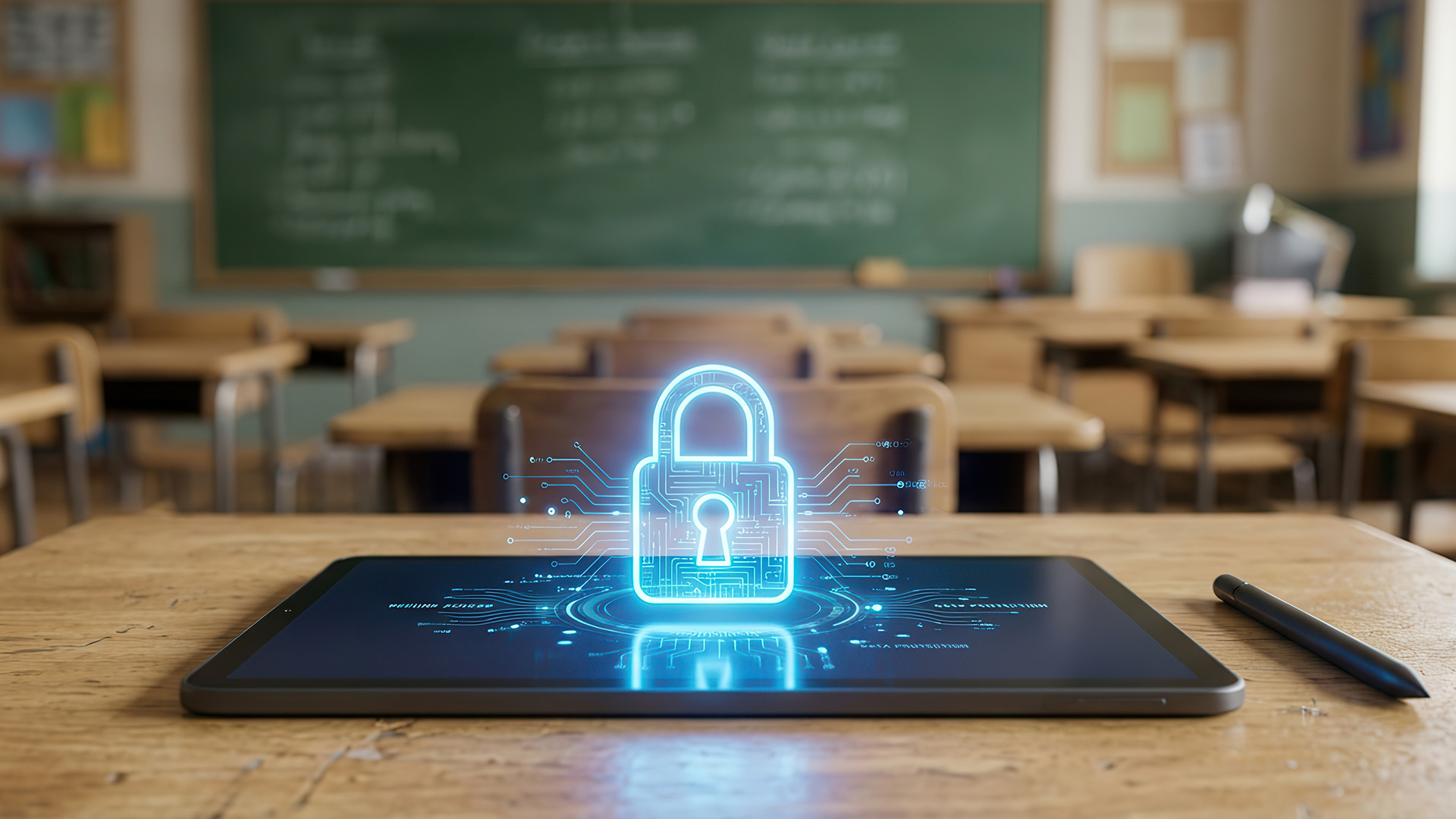 Modern school networks are increasingly becoming the target of cyberattacks, making network security an important priority when evaluating network upgrades and capabilities.
School Networks Must Balance Security, Compliance, and Access
As schools increasingly depend on connected technologies, they have also become attractive targets for cybercriminals.
According to the Center for Internet Security's 2025 K–12 Cybersecurity Report, 82% of reporting K–12 organizations experienced cyber threat incidents during the study period. Meanwhile, the U.S. Department of Education reports that school districts experience an average of five cyber incidents per week.
These attacks can disrupt learning, expose sensitive student and staff information, and create significant operational challenges.
To reduce risk, schools must implement layered security strategies that include:
- Network segmentation between student, staff, and administrative traffic
- Role-based access controls
- Next-generation firewalls
- Threat detection and monitoring
- Secure remote access capabilities
Security also overlaps with compliance. Schools receiving E-rate funding must comply with the Children's Internet Protection Act (CIPA), which requires internet safety measures and content filtering.
At the same time, administrators must balance security with accessibility. Students need access to educational resources, while schools must prevent exposure to harmful content and reduce distractions. Effective web filtering and content controls help strike that balance.
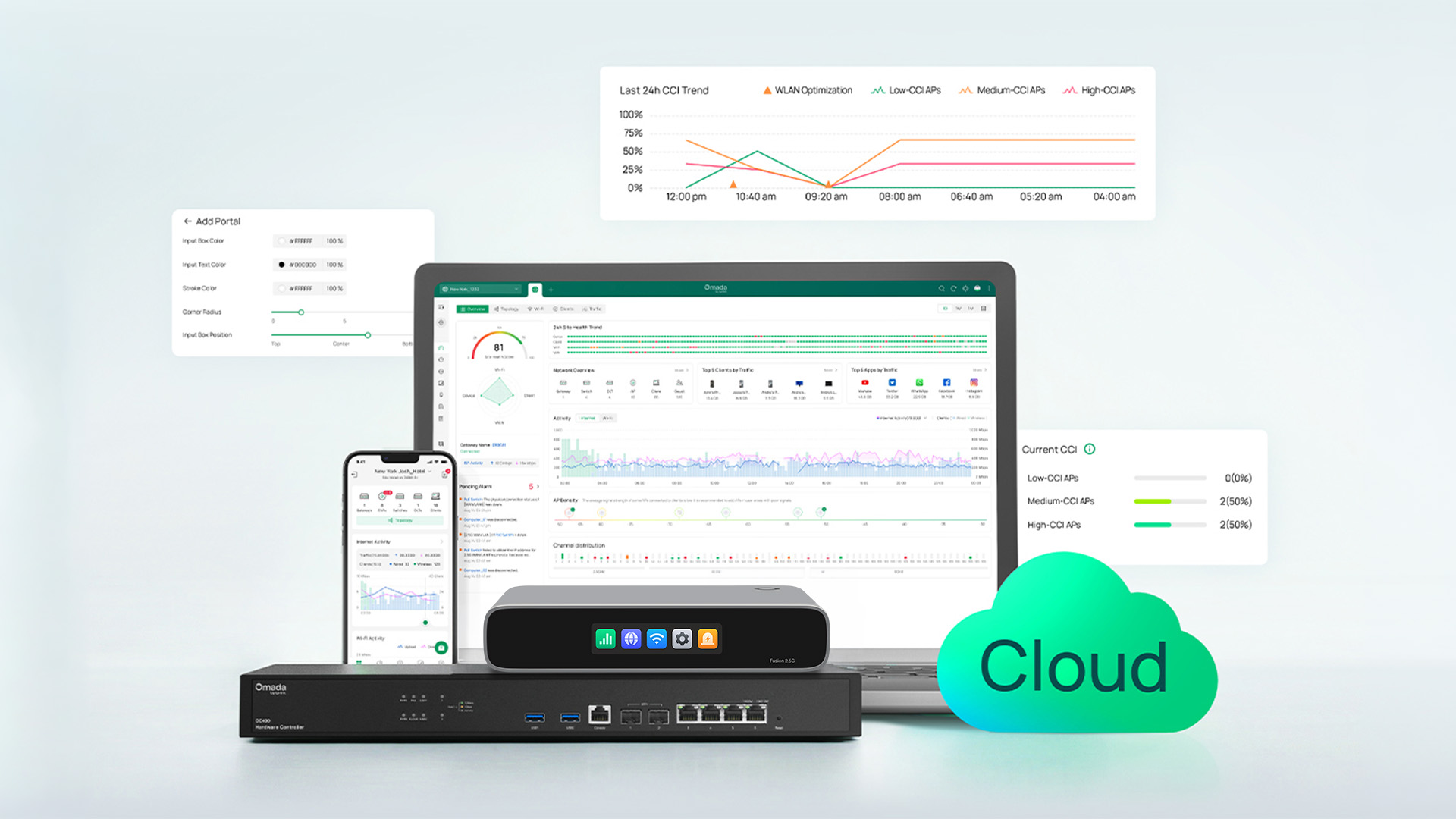
Omada’s SDN, helps bring management and control all into one single pane of glass, with ability to remotely manage and remedy any network issues that arise.
Centralized Management Helps Small IT Teams Do More
Many K–12 IT departments are asked to support thousands of users with limited staffing and budgets.
Managing multiple campuses, hundreds of wireless access points, network switches, security appliances, and thousands of devices can quickly become overwhelming without the right tools.
Centralized network management platforms provide a single pane of glass for monitoring, configuration, troubleshooting, and performance analysis. Rather than traveling between campuses to diagnose issues, administrators can often identify and resolve problems remotely.
Centralized management also simplifies routine tasks such as:
- Firmware updates
- Configuration changes
- Security policy enforcement
- Device onboarding
- Performance monitoring
The result is greater operational efficiency, faster troubleshooting, and improved network reliability across the entire district.
For resource-constrained IT teams, centralized visibility can be just as valuable as additional bandwidth or hardware upgrades.
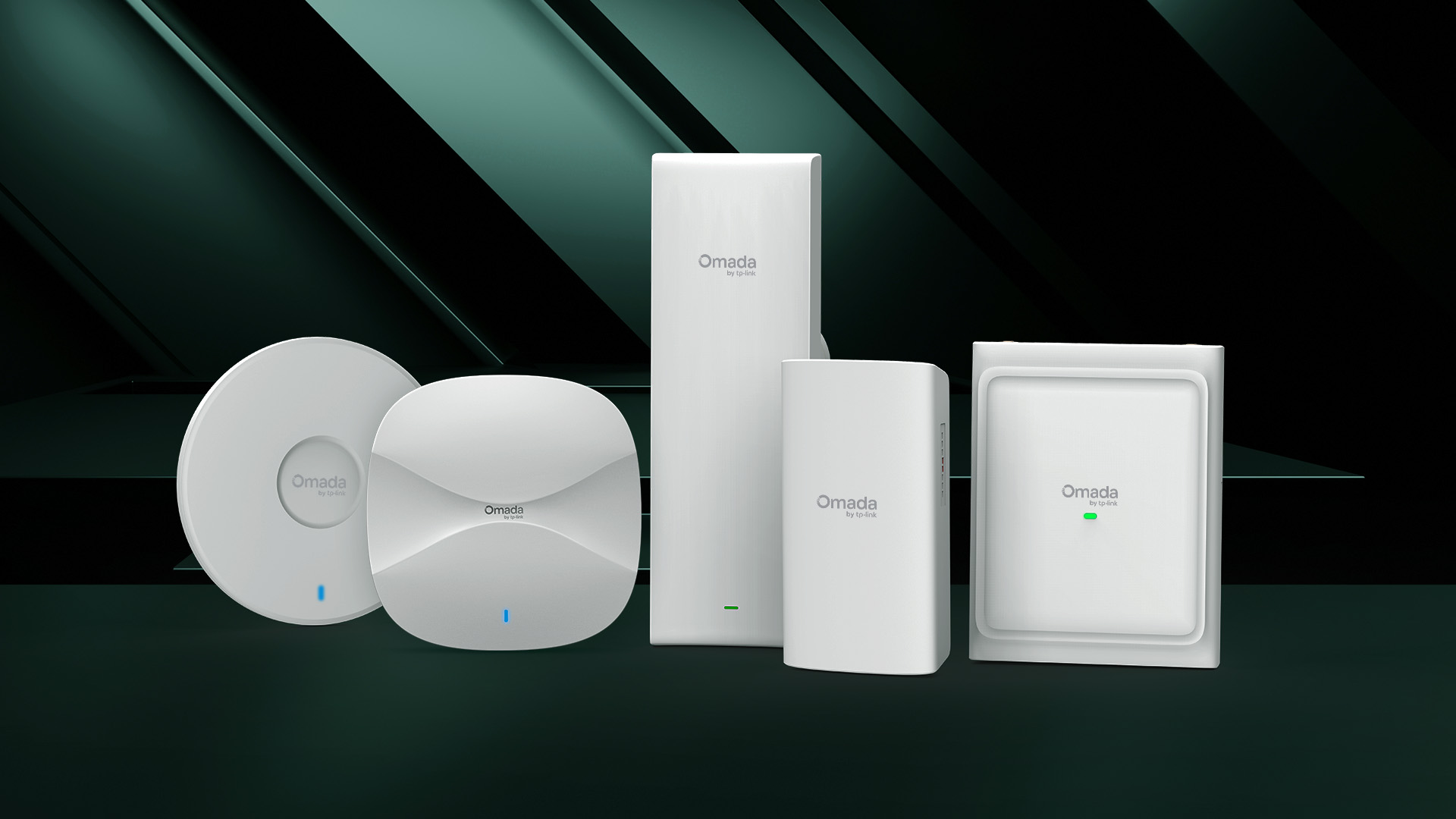 Omada’s Campus and EAP series Access Points are designed to handle high-density environments. With seamless roaming, load balancing, and band steering, Omada’s Campus APs can handle up to 1,500 connected clients per AP (depending on usage and network capacity).
How Schools Can Upgrade to a More Reliable Network Infrastructure
Building a more reliable network starts with understanding existing limitations.
Schools should begin by evaluating current coverage gaps, bandwidth constraints, aging equipment, and areas prone to performance issues. Conducting regular network assessments can help identify where investments will have the greatest impact.
Common upgrades include:
- Deploying additional wireless access points in high-density areas
- Replacing outdated switches and gateways
- Implementing centralized cloud-based management
- Strengthening network security controls
- Improving redundancy through backup internet connections and failover systems
For districts with budget constraints, infrastructure modernization doesn’t have to happen all at once. Many organizations achieve significant improvements through phased deployments that prioritize the most critical needs first.
A strategic approach allows schools to improve reliability while minimizing disruptions and controlling costs.
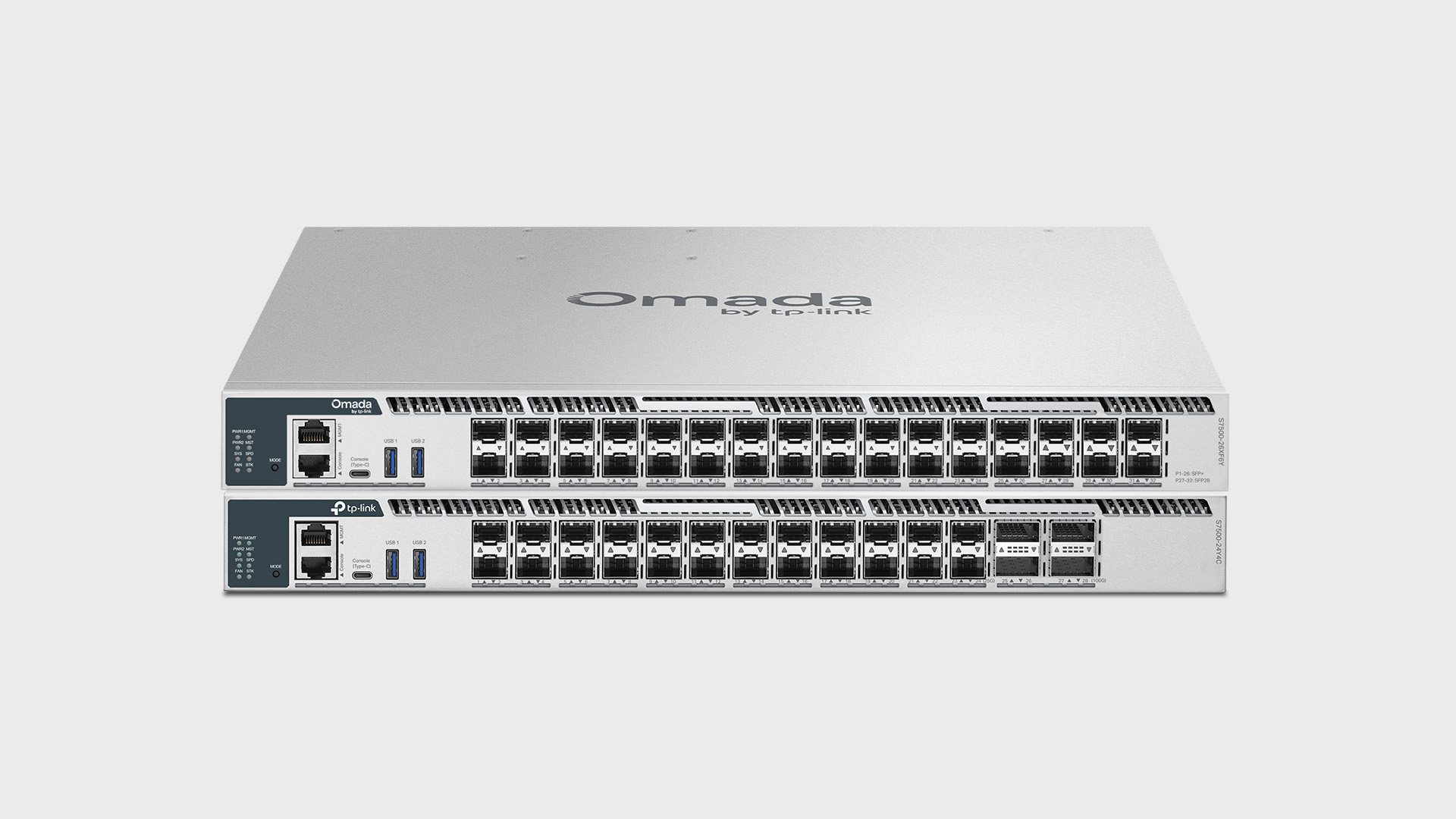 Omada Campus Switches deliver reliable K–12 connectivity with physical stacking for simplified management and effortless growth, plus built-in redundancy to help keep classrooms, staff, and students connected when network challenges arise.
Reliable Networks Are the Foundation of Modern Learning
Technology has become central to how students learn, collaborate, and prepare for the future. As schools continue to expand digital learning initiatives, the importance of reliable network infrastructure will only grow.
From supporting high-density device environments and cloud-based learning platforms to strengthening cybersecurity and simplifying IT operations, modern networks play a direct role in educational success.
Schools that invest in scalable, secure, and centrally managed networking solutions are better positioned to deliver consistent learning experiences, support teachers more effectively, and adapt to future demands. Platforms such as Omada can help districts meet these goals by combining performance, visibility, and centralized control in a cost-effective solution designed for modern educational environments.